

The United States and Israel launched coordinated airstrikes on Iran targeting military sites in a major escalation named Epic Fury by the Pentagon and Roaring Lion by Israel, hitting IRGC bases, missile facilities, and high-ranking figures as tensions boil over collapsed nuclear talks.
President Donald Trump confirmed U.S. involvement in a Truth Social video early Saturday, February 28, 2026, calling it a “massive and ongoing operation” to stop what he described as a “wicked, radical dictatorship” from threatening America and its allies.
He urged ordinary Iranians to rise up and take control of their government once the fighting winds down. Israeli Prime Minister Benjamin Netanyahu echoed the sentiment, framing the strikes as a necessary preemptive move against Iran’s nuclear ambitions and missile threats.
The attacks began in the early hours local time, with explosions reported in Tehran, Isfahan, Qom, Karaj, and Kermanshah. Satellite images showed smoke rising from key sites, including areas near the supreme leader’s compound and defence headquarters.
Israeli officials released footage of strikes on missile launchers in western Iran, saying hundreds of military targets got hit with precision. The U.S. joined after Israel kicked things off, marking the first time both powers carried out direct, large-scale operations inside Iranian territory together.
Confirmed losses include senior advisor Ali Shamkhani, killed in the barrage, while reports suggest IRGC commander Mohammad Pakpour and Defence Minister Aziz Nasirzadeh may have perished too, though Iran has not verified those deaths.
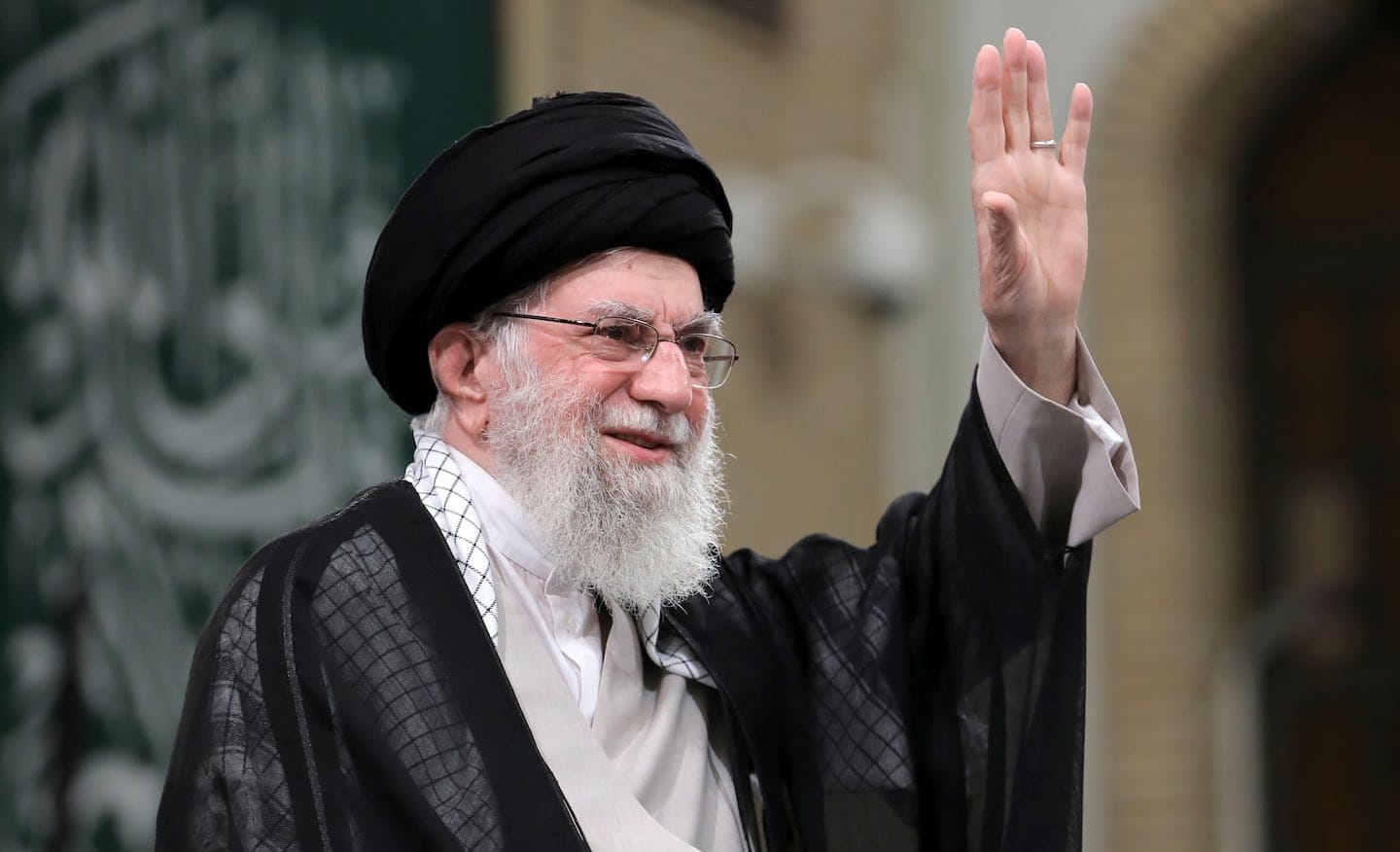
The strikes also reportedly damaged or destroyed parts of Khamenei’s offices and residence, fuelling speculation about his status – Israeli Channel 12 cited sources saying he likely died, but Iran’s foreign minister told NBC News the supreme leader remains alive “as far as I know”, and state media promised an imminent speech from him.
Iran hit back hard. Tehran launched missiles and drones toward Israel and U.S. bases across the region, with interceptions reported over Bahrain, the UAE, Kuwait, Qatar, and other spots.
One civilian died in Abu Dhabi from falling shrapnel, and flights got suspended in Dubai amid the chaos. Iranian officials claimed over 40 girls died when a school near an IRGC base in southern Iran took a direct hit, calling it a deliberate strike on civilians. They vowed a “crushing response” and warned operations could continue.
Oil prices jumped sharply on global markets as fears of wider disruption spread through the Strait of Hormuz. Reactions poured in fast. The U.S. praised the strikes as defending against existential threats, while many international voices condemned them as reckless escalation.
Protests inside Iran have grown louder in recent months over economic pain and government crackdowns, and Trump tied the timing to those domestic pressures plus failed nuclear negotiations.
This marks a sharp turn from months of buildup – U.S. forces surged into the Middle East late last year, and talks in Geneva collapsed just days ago.
Israel has long warned of Iran’s nuclear path, and the joint operation appears aimed at crippling missile programmes, command structures, and regime symbols. Whether it leads to regime change, as Trump hinted, or a prolonged fight remains unclear.
For now, the region holds its breath. Air raid sirens wailed in Israel as Iranian projectiles came in, and Gulf states scrambled defences. Ordinary people in Tehran reported blackouts and fear, while families across the Middle East worry about what comes next. With reservists called up and more strikes possible, this Saturday could prove a turning point in an already volatile standoff.
As details trickle out and leaders speak, the world watches to see if diplomacy has any room left or if the fighting spreads further. The strikes have already changed the picture – and the costs keep rising.