

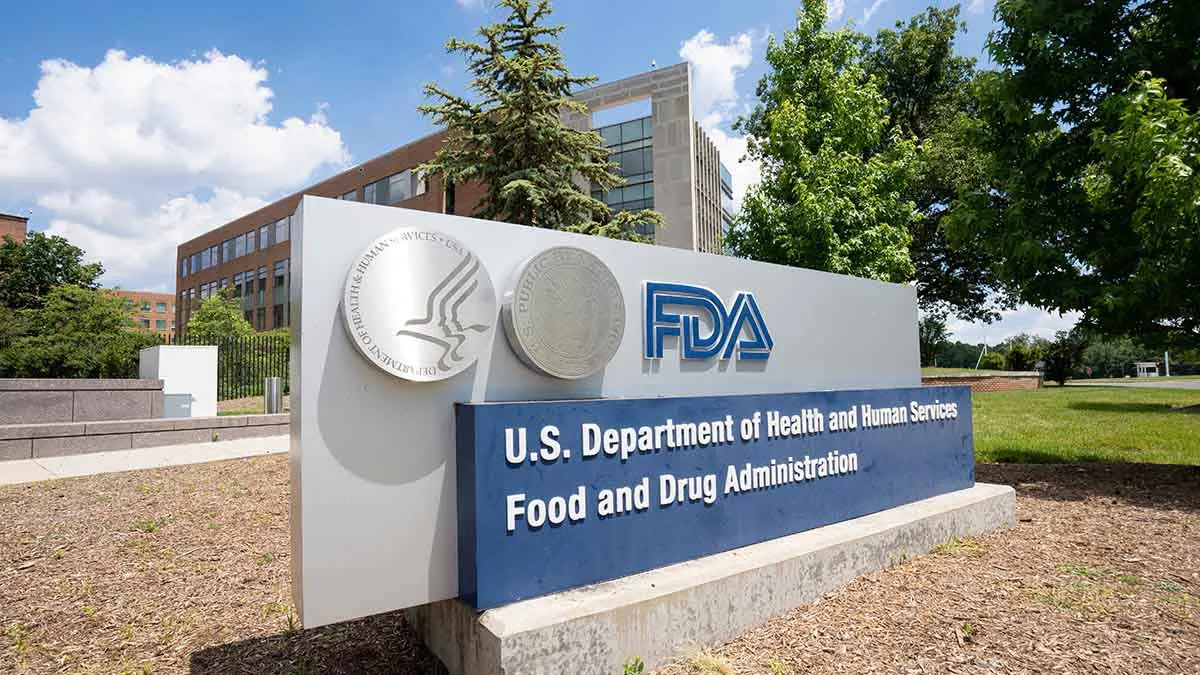
Sinopep gained FDA Green List status to supply drug ingredients to the U.S. market. The Chinese pharmaceutical company now sits on this approved list for GLP-1 active ingredients under Import Alert 66-80. That means the agency cleared its facilities after checks and lets shipments enter without automatic holds at the border.
The Green List rolled out in September 2025. It targets glucagon-like peptide-1 (GLP-1) active pharmaceutical ingredients (APIs) used in popular weight-loss and diabetes drugs like semaglutide and tirzepatide. The FDA set it up to block risky imports from unverified sources while allowing vetted ones through.
Officials inspected or evaluated plants to confirm they meet US standards. Anything off the list faces detention without a physical exam. Sinopep-Allsino Biopharmaceutical Co. Ltd. appears tied to entries for semaglutide, liraglutide, tirzepatide, and related peptides from China.
This step follows years of the company building its US credentials. Sinopep received its first adequate letter for semaglutide’s drug master file back in December 2023. No major issues lingered after FDA review. Liraglutide got similar clearance earlier that year.
The firm has passed multiple FDA GMP inspections since 2014, including a routine one in September 2024 and another unannounced visit. A subsidiary called Apextide wrapped up its inspection in late 2024 with clean results. These audits cover peptides, small molecules, and even oligonucleotides. The track record helped position Sinopep as a supplier for compounded versions of blockbuster meds facing shortages.
But there are still questions about the approval. There is a cell of the Chinese Communist Party inside Sinopep. Many companies in China have these party units that send reports to Beijing.
They help people choose which political party to support and sometimes change their minds. Those who dislike this system fear it gives the government control over businesses, even those that export to the US.
Links to broader security worries add fuel. Some executives or affiliates connect to programs the FBI once flagged in espionage cases involving Chinese nationals stealing trade secrets or tech.
Although no direct charges have been filed against Sinopep in these matters, the pattern is concerning. Past incidents saw chemists and researchers sentenced for funnelling proprietary info back home. Economic espionage convictions piled up over the years. The Justice Department highlighted cases where individuals hid CCP ties or funnelled sensitive data.
In the past, Sinopep had to pay a multi-million-dollar fine for fraud. Public records don’t have many details, but they do show that there are penalties for misleading practices or breaking the law.
Reports differ on the exact amount and year of the fine, but for some people, it raises a red flag regarding Sinopep’s credibility and trustworthiness in the pharmaceutical market. The FDA went ahead with adding the Green List, even though this had happened before. Shipments from SinoPep have been increasing recently, and customs data shows that antidiabetic APIs started showing up in 2023. Since 2020, hundreds have come to the US.
The decision hits amid heated debate over reliance on Chinese suppliers for key drug components. GLP-1 drugs exploded in demand. Shortages pushed compounding pharmacies to source ingredients overseas. Many turned to China, where costs run lower.
But safety advocates point to inspection reports that show problems like dead bugs in manufacturing areas during visits to some Chinese plants, even ones that are thought to be on the Green List. A February 2026 article discussed FDA observations from late 2024, obtained through FOIA, regarding sanitation issues, yet shipments continued.
The Congress got involved as well. In early 2026, lawmakers wrote to a number of Chinese biotech companies and asked for information about the production and export of GLP-1 products. They said that there was a chance that fake or low-quality APIs could get into the supply chain.
One group pushed for information about government subsidies or connections that could have an impact on quality, particularly in relation to how these factors might influence the safety and efficacy of GLP-1 products in the supply chain. The push shows that people are worried about national security in the drug industry. Some US companies work with Chinese companies for testing or production, which raises concerns about data and IP.
The result means that compounded semaglutide or similar drugs that everyday people take might have Sinopep ingredients in them. Doctors and pharmacies check their sources, but they aren’t very open about it, which can lead to uncertainty among patients regarding the safety and origin of the compounded semaglutide or similar drugs they are taking.
The Green List wants to build trust, but the company’s past makes people doubt it, especially regarding the safety and efficacy of their products in light of recent controversies surrounding drug ingredients.
Supporters say that the FDA’s vetting process is better than past problems as long as current standards hold, which is crucial for ensuring the safety and efficacy of products in the market. The agency checked several times and found that they were in compliance.
Sinopep keeps getting bigger. It talks about how it helps with peptides and advanced therapies, including the development of innovative treatments for various medical conditions. Recent changes include DMFs for new molecules, such as inclisiran. The company sees itself as a global player that obeys the rules of other countries. Still, the mix of party oversight, possible spying, and past fines makes it hard to believe that the company can maintain its integrity and compliance in the competitive pharmaceutical landscape.
As weight-loss drugs stay in high demand, the FDA balances access against risks. The Green List tries to thread that needle. Sinopep’s spot on; it opens doors for more imports.
Whether that reassures or alarms depends on who you ask. Patients want safe, affordable options. Security hawks push harder scrutiny on anything linked to Beijing. The story underscores tensions in global drug supply chains right now.