

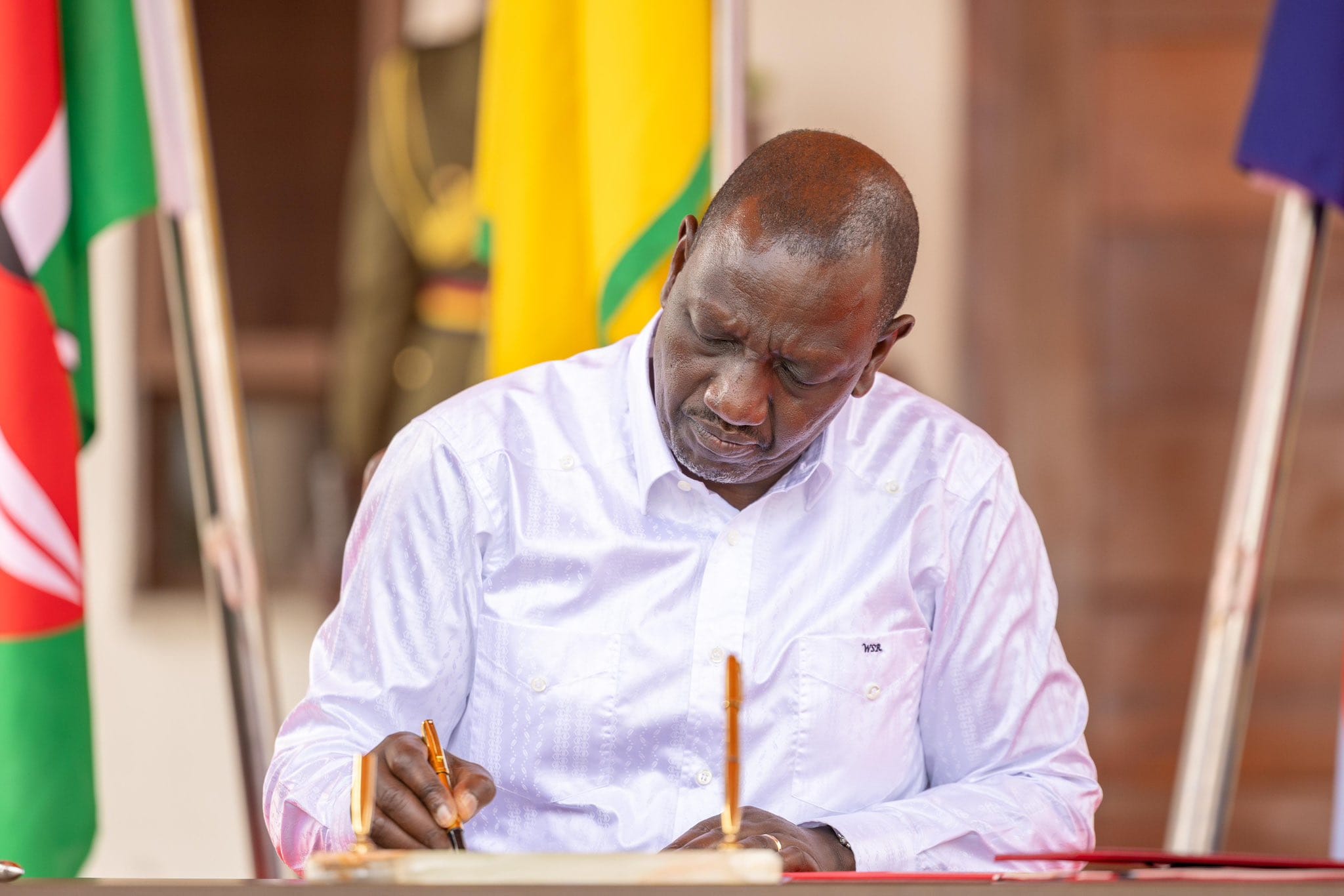
President William Ruto’s government has put forward a Sh4.8 trillion budget for the financial year running to June 2027. Many see it as a key election budget aimed at strengthening support ahead of the 2027 general election, with extra focus on roads, housing and other areas that touch ordinary Kenyans directly.
The National Treasury tabled these figures recently, showing an increase from the current year’s spending. Officials plan to direct more money into infrastructure projects that voters can see and feel. Roads and affordable housing stand out as major priorities in the plan.
This approach comes as the government tries to balance big spending needs with the reality of heavy debt payments that will take up a large share of the total amount.
Reports from The Star newspaper gave readers a closer look at what lies inside this massive budget. About Sh1.3 trillion will go toward servicing existing loans.
That leaves less room for new projects, but the administration still wants to push forward with visible development. Many families across the country continue to struggle with high living costs, and the budget tries to respond to some of those pressures.
Security agencies and teachers appear to receive significant portions of the recurrent spending. This move could help keep important voter groups on side.
Police, military and other uniformed services often play key roles during election periods, while teachers reach almost every community through schools.
Housing programmes form another big part of the strategy. The government has talked often about building affordable homes for young people and low-income families.
Allocating more funds here could create jobs in construction while giving people something concrete to point to when they assess the administration’s record.
Road projects also feature prominently. Better roads make it easier for farmers to move produce to markets and help businesses grow. In many parts of Kenya, poor infrastructure remains a daily headache. By emphasising these areas, the budget aims to show progress that people notice when they travel or work.
Critics point out the heavy debt burden. Paying interest and principal on past loans eats up a huge chunk of every shilling collected. Some worry that this leaves the country with limited flexibility if the economy faces unexpected shocks. Others argue the government should cut wasteful spending before asking for more sacrifices from taxpayers.
Supporters of the plan say the focus on growth sectors will create opportunities that eventually ease the debt pressure. They highlight expected revenue from new projects and better tax collection. The Treasury projects revenue around Sh3.5 trillion, meaning the government will still need to borrow to cover the gap.
Ordinary citizens have mixed reactions when you talk to them in markets and estates. A matatu driver in Nairobi told me better roads would reduce vehicle repairs and save him money.
A young mother in Nakuru hoped the housing push would finally make decent shelter affordable for her family. Yet many still ask whether the benefits will reach them before the next vote.
County governments stand to get their share as usual, with calls for equitable distribution so that even remote areas benefit. Youth employment schemes and support for small businesses also appear in the plans, targeting groups that showed strong voices in recent years.
The timing matters. This marks the last full budget before Kenyans head to the polls. Political analysts say such documents often reflect campaign thinking, with spending tilted toward quick impact areas. Whether it translates into votes will depend on actual delivery on the ground.
Education and health sectors continue to receive attention, though the headlines focus more on infrastructure and security. Teachers’ salaries and school infrastructure could feature in efforts to improve learning outcomes. Hospitals and medicine supply chains remain sensitive topics for many families.
The budget process now moves to Parliament, where MPs will debate the proposals and suggest changes. Some lawmakers already signal they want more money pushed to counties and specific constituency projects.
As Kenya prepares for 2027, this Sh4.8 trillion figure sets the tone for the months ahead. It shows an administration betting on development results to win another term. The success of this initiative will depend on the effective allocation of funds and the tangible improvement in the daily lives of Kenyans.
Economists will watch closely to see if the numbers add up without creating new problems. International partners and rating agencies also pay attention to debt levels and fiscal discipline.