

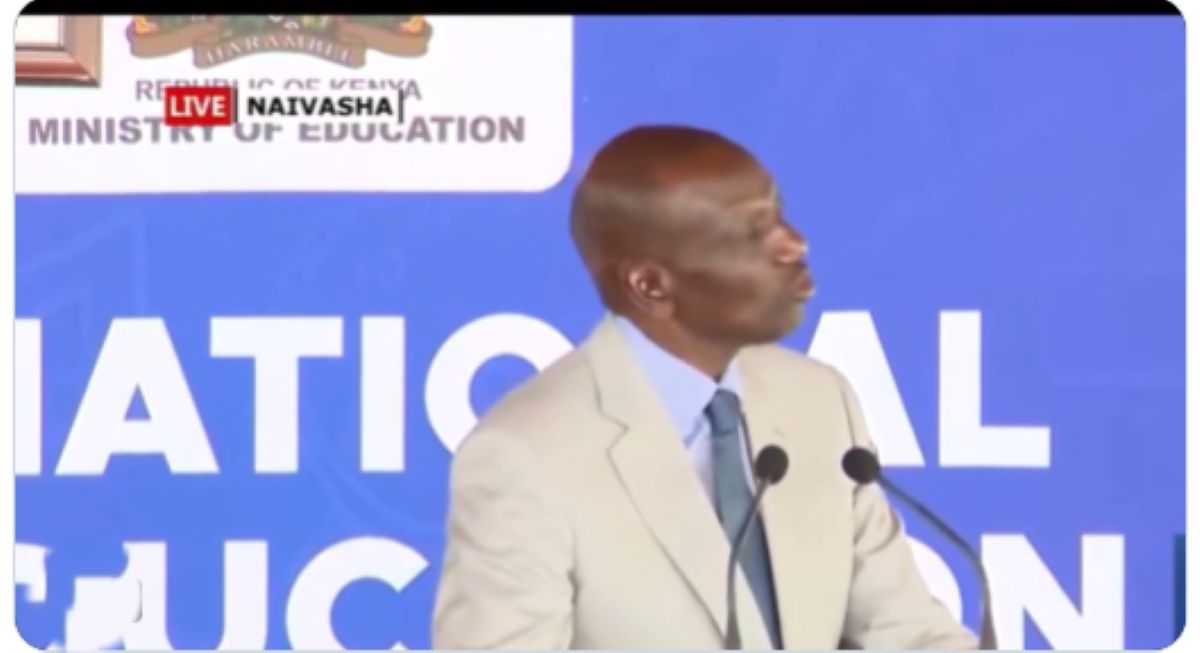
President William Ruto has criticised some headteachers for taking the government to court over digital payment systems. He made the remarks during a meeting with officials from the Kenya Union of Post Primary Education Teachers and school principals during the National Education Conference in Naivasha, where he addressed resistance to using official eCitizen platforms for school fees and other services.
The president expressed frustration that certain school leaders prefer writing receipts by hand on pieces of exercise books instead of embracing digital systems. This pushback comes at a time when the government plans to raise convenience fees on the eCitizen platform. Many Kenyans now face the prospect of paying double for government services if the new charges go through.
Under the proposal, users will pay 100 shillings for services costing over 100,000 shillings. Those accessing services between 10,000 and 99,000 shillings will pay 70 shillings, while smaller transactions from 500 to 9,000 shillings will attract a 50-shilling fee. The current flat rate of 50 shillings for most services is set to change, affecting everything from business permits to school-related payments.
Parents and guardians already feel the pressure of rising education costs. Many worry that extra fees on eCitizen will eventually pass down to them through higher school charges or hidden costs.
Ruto defended the move toward full digital transactions. He argued it brings transparency and reduces cases where money disappears between parents and school accounts.
Digital records help us easily track payments and hold everyone accountable. But some headteachers are confident the current system works for them, particularly in areas with poor internet or parents who are less comfortable with smartphones.
The Kenya Union of Post Primary Education Teachers has been in talks with the government over the changes. Union leaders cite the practical problems of quickly rolling out new systems in all schools.
They want more training and support for teachers and administrators before the law is fully enforced. At the same time, they admit the need for improved financial management in learning institutions.
The row points to broader tensions concerning the government’s digitisation efforts. Many like the convenience of online services for passport applications and other documents, but ordinary citizens get angry when there are sudden fee hikes.
Education stakeholders say the timing feels bad. Schools are still feeling the effects of past financial strains and parents still complain about the cost of uniforms, books and meals. Adding platform fees on top could discourage timely payment of fees and affect school operations.
Those in favour of the fee hike say it will help sustain and improve the eCitizen system. Government tech needs money to be secure and reliable. If there is not enough revenue, services may be slowed down or suffer technical problems which will further annoy the users.
Critics argue the government should first focus on cutting unnecessary spending elsewhere before asking citizens to pay more. They question why basic services that used to be cheaper are becoming expensive at a time when many families face job losses and high food prices.
In the meeting, Ruto urged school leaders to embrace change rather than fight it through court cases. He reminded them that technology offers better accountability for public funds meant for children’s education. However, he also acknowledged the need to listen to genuine concerns from the ground.