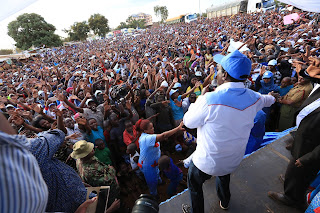

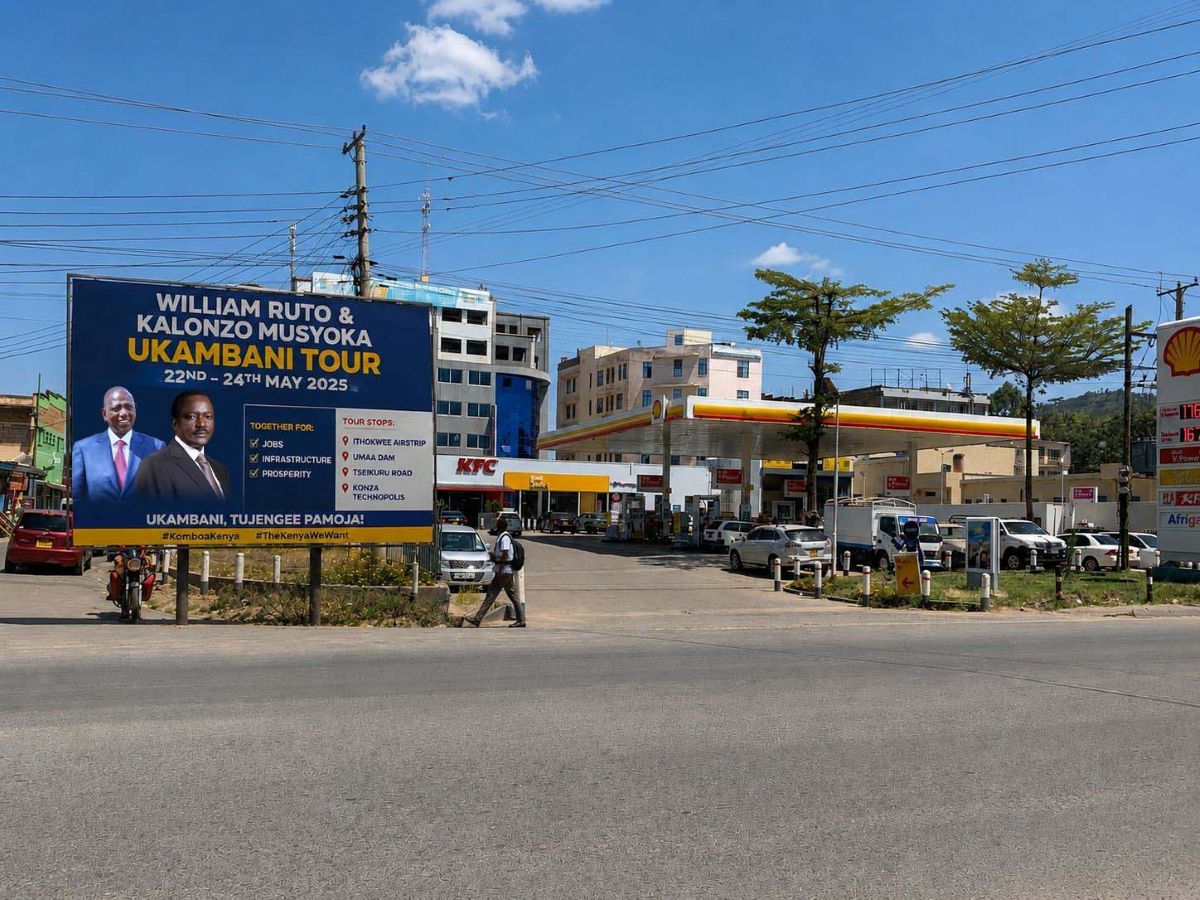
Kalonzo Musyoka joins Ruto on a three-day development tour across Ukambani that starts next week. The Wiper Party leader will accompany President William Ruto from May 22 to 24 as they visit key projects in Kitui, Machakos, and Makueni counties. This move has stirred fresh talk about shifting political ties ahead of the 2027 elections.
A statement from the SKM Command Center described the trip as a practical step to push for balanced growth in the region. The itinerary includes stops at Ithookwe Airstrip, Thwake Dam, the Kyuso-Tseikuru Road, Konza Technopolis, and various housing and farming projects. These sites represent long-standing hopes for better infrastructure and jobs in an area that has often felt overlooked by national priorities.
Local residents in Ukambani have waited years for real improvements. Thwake Dam, for instance, promises water for irrigation and households across Makueni and beyond. Konza Technopolis stands as a big bet on technology and innovation to create opportunities for young people.
Roads like Kyuso-Tseikuru could open up remote parts of Kitui and ease movement of goods. Many see the joint tour as a chance to hold leaders accountable and speed up work on the ground.
Supporters of the visit call it a welcome focus on delivery over division. One community leader in Machakos told me privately that people care more about water taps and decent roads than endless political fights.
They argue that collaboration between national and regional figures can finally bring tangible results to families struggling with dry seasons and limited markets.
Yet the announcement has also drawn sharp questions. Critics wonder if Musyoka is softening his stand as a key opposition voice. He has spent recent months touring with allies like Rigathi Gachagua and speaking out against government policies.
Some in the broader opposition coalition now ask whether this Ukambani trip signals a quiet change in direction or is simply a one-off effort to inspect projects. Election talk for 2027 already simmers, and any perceived shift in loyalty gets noticed fast in Kenyan politics.
Musyoka carries significant influence in the region. Many view him as the undisputed leader who can guide Ukambani votes. His decision to join the tour adds weight to the events and ensures local voices reach the highest levels. At the same time, it puts him in the spotlight at a moment when opposition unity remains a work in progress.
President Ruto has made several visits to the area before, promising accelerated development. This latest tour comes as Mashujaa Day celebrations approach, which are often used to highlight government achievements. Including Musyoka could help bridge gaps and show a united front on bread-and-butter issues like agriculture and housing.
For ordinary citizens in Kitui, Machakos, and Makueni, the visit offers more than photo opportunities. They hope inspectors will note unfinished work and commit to timelines. Farmers want reliable water from dams.
Young graduates dream of jobs at Konza. Traders need better roads to move produce to bigger markets. These everyday concerns sit at the heart of why such tours matter beyond the headlines.
Political observers point out that Kenya’s politics often mix development with strategy. Musyoka has built his career on advocating for his people while navigating national power plays. Whether this tour strengthens his position or raises doubts among long-time supporters will become clearer in the coming months.