

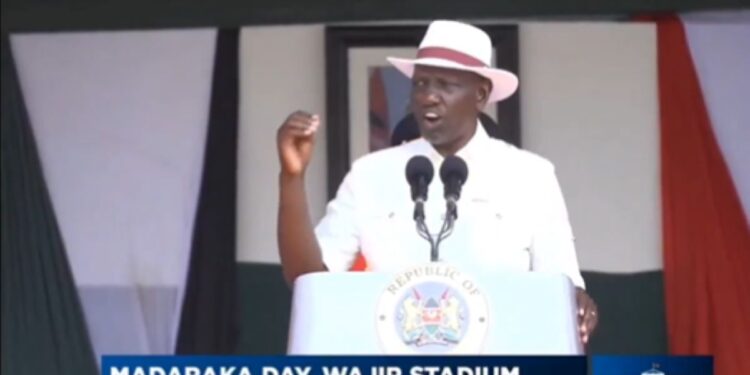
President William Ruto stood firm Monday as he spelt out fresh rules on Kenyan identity cards that stress citizenship checks while ending old biases against certain communities. The leader spoke during Madaraka Day events and promised documents will reach only genuine Kenyans as the country marks 63 years since independence.
He pushed back against critics who claim the government loosened borders. Officials now process applications faster across all regions yet keep safeguards in place to confirm who belongs.
How will these changes affect everyday Kenyans seeking documents?
Kenyan identity cards will go only to verified citizens under the same standard rules no matter where they live.
The president addressed the crowd directly on June 1, 2026. “Kenyan identity cards will only be issued to legitimate citizens of this republic,” he declared. Ruto continued with force.
“We did not abolish verification of citizenship; we abolished discrimination.” He added that the government ended the targeting of entire communities simply because of their ethnicity or place of birth.
This shift traces back to February 5, 2025. Ruto signed a proclamation that scrapped extra vetting requirements which had burdened residents in North Eastern counties like Wajir, Garissa and Mandera for over six decades.
Those committees often grilled applicants for hours and demanded extra proofs beyond birth certificates and parental documents. Many waited years while others in central Kenya sailed through.
Locals in Griftu Wajir welcomed the change last month. Ruto visited the area on May 31 and urged everyone to apply now. He told residents their citizenship stands equal to anyone else’s across the republic. The move aims to unlock access to services from bank accounts to government tenders and voting.
Critics still raise alarms. Some security experts worry that weaker checks along the porous Somalia border could invite fraud. Yet government data shows the old system created massive backlogs.
Thousands of young Kenyans born in the region turned 18 without IDs and missed out on opportunities. Human rights groups documented cases where families faced repeated harassment across generations.
Ruto pushed harder in his speech. He stressed the reforms target fairness, not open doors. Verification stays active through digital records cross-checks with birth registries and standard interviews.
Only the blanket ethnic profiling stops. “It was the worst form of injustice for anybody to profile a whole region on matters of citizenship,” sources close to the address quoted him as saying earlier.
The policy lands at a sensitive time. Kenya prepares for 2027 elections, and Ruto courts votes from northern strongholds. Yet the president framed the decision as justice long overdue. He painted a picture of a unified nation where a child born in Marsabit enjoys the same rights as one from Nakuru or Mombasa.
Observers note real progress on the ground. Registration centres in border towns report shorter queues since the February 2025 order took effect. One mother in Wajir told local reporters her son finally received his ID after three failed attempts under the old rules. She described years of frustration watching peers elsewhere breeze through the process.
Still, challenges remain. Officials must train staff to handle higher volumes without errors. The immigration department plans to roll out more biometric tools to strengthen checks. Ruto called on county leaders to help spread the message and assist applicants with required paperwork.
This debate taps deep into Kenya’s identity questions. Colonial borders split ethnic groups. Post-independence policies sometimes treated certain communities as outsiders despite generations on Kenyan soil. The president confronted that history head on. He rejected any notion that ending discrimination equals inviting foreigners.
Analysts expect more statements in coming weeks. Interior Cabinet Secretary Kipchumba Murkomen oversees implementation and promised tight monitoring. Courts already backed similar equality pushes in past rulings on documentation rights.
Ruto wrapped his remarks with a call to action. Every Kenyan who qualifies should step forward and claim their card. The document opens doors to education jobs and full participation in national life.