
Daniel Arap Moi Death: Kenya Reflects on Longest-Serving President’s Life and Lasting Mark

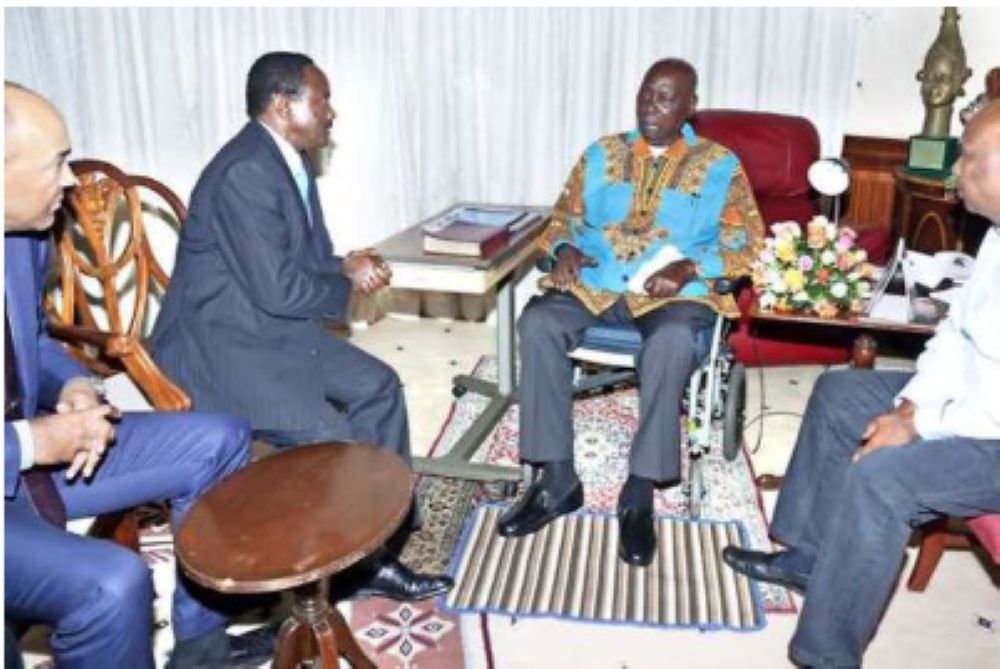
News of Daniel arap Moi’s death spread quickly across Kenya on February 4, 2020. The former president, who led the country for 24 years, passed away at the Nairobi Hospital in the early morning hours. He was 95. For many Kenyans, the announcement stirred memories of a man who shaped their nation from the days after independence right into the new century.
Moi started out as a teacher in the Rift Valley before entering politics. Born in 1924 in Sacho, Baringo County, he rose through the ranks to become vice president under Jomo Kenyatta. When Kenyatta died in 1978, Moi stepped in. Few expected him to stay in power so long.
From Village Schoolroom to Statehouse
Those who knew him in his early years remember a quiet, determined man. He taught at mission schools and later became involved in the push for independence.
After taking office, Moi travelled widely across the country. He visited remote villages where roads were little more than dirt tracks, promising development and unity. Many older Kenyans still talk about the school-building drive during his rule. Hundreds of new primary and secondary schools opened, giving children in arid and rural areas a chance at education they never had before.
One teacher from Baringo who attended a public event with Moi in the 1980s recalled the president’s simple message. “He would say education is the key,” the man told local reporters years later. “We believed him because we saw the classrooms going up.”
Yet Moi’s time in power also brought hardship. The economy struggled in the later years. Families in parts of the country still remember relatives who disappeared or suffered during periods of political tension.
The Shift to Multiparty Politics
By the early 1990s, pressure mounted both inside Kenya and from abroad. Moi eventually allowed multiparty elections. Many saw it as a reluctant but important step. The 1992 and 1997 votes were messy, with violence breaking out in some areas.
Still, the door to competition had cracked open. In 2002, Moi stepped aside after serving his final term. His chosen successor lost to Mwai Kibaki in what became a peaceful transfer of power, something rare in the region at the time.
Gideon Moi, who stood by his father’s bedside, spoke to the nation shortly after the death. “He passed away peacefully,” he said. “I was by his side, and as a family we have accepted.” The words carried weight for a man who had spent decades at the centre of Kenyan life.
President Uhuru Kenyatta announced the news, describing Moi as a leader who served with dedication. In the days that followed, thousands gathered in Nairobi and across the Rift Valley.
Some came to honour the stability he brought after Kenyatta’s death. Others remembered friends lost to political violence or opportunities missed because of one-party rule.
What His Passing Means for Kenyan Politics Today
Six years later, conversations about Moi still surface whenever Kenya faces big political questions. Younger voters who never lived under his government ask what his long rule really delivered.
Supporters highlight infrastructure projects, the expansion of the civil service, and efforts to keep the country together during tough regional times. Detractors focus on the centralisation of power and the ethnic favouritism that marked parts of his administration.
Political analyst Gabrielle Lynch, who has written extensively on the period, noted the mixed picture. Moi kept Kenya relatively steady while neighbours faced greater upheaval, but the costs in human rights and economic opportunity were real. His decision to leave office in 2002 set an example that future leaders would be judged against.
In Baringo and other Kalenjin areas, respect for the former president runs deep. Elders speak of him as one of their own who lifted up communities long ignored by the colonial government and early independence leaders. In Nairobi and parts of Central Kenya, opinions often lean the other way, shaped by memories of repression.
The death of Daniel arap Moi closed a long chapter. Kenya has changed since he left office. The economy has grown in fits and starts. As the country moves ahead, many still look back at the teacher from Sacho to understand where modern Kenya came from.
His funeral drew leaders from across Africa and beyond. For a few days, the nation paused to remember both the achievements and the failures. In quiet conversations in homes and marketplaces, Kenyans continue to weigh what his 24 years meant and what lessons remain relevant.
Related Posts

Ruto: Sifuna ni fala anataka tusimamishe mradi wa Affordable Housing
President William Ruto stood before crowds in Eldoret, Uasin Gishu County, on Thursday, August 13, 2026, and branded Nairobi Senator Edwin Sifuna a fool for…

CO-OP BANK REPORTS A STRONG 17.3 PERCENT GROWTH IN PROFIT TO KSH…
Co-op Bank has posted a strong profit before tax of KSh 23.1 billion for the half year ended 30 June 2026, compared to KSh 19.7…
Ruto Demands Mandatory New Constitution for Vision 2060 Reforms
Kenyan President William Ruto told a national audience this week that the 2010 Constitution forces leaders to seek the people’s approval on major changes rather…
After Claims 2024 Gen Z Were From Illuminati, MP Kagombe Quits UDA
Gatundu South lawmaker Gabriel Kagombe walks away from the United Democratic Alliance this week as he eyes a fresh vehicle in Kenya’s mountain region. The…