
Kenya Public Debt Hits 65% GDP Above Ceiling 55%, AfDB Warns Risks


Kenya’s public debt hits the 65% GDP threshold, drawing sharp warnings from the African Development Bank about escalating risks tied to shaky oversight at the National Treasury and Parliament.
In a fresh assessment released Thursday, the AfDB spotlighted how limited expertise in the Treasury’s Public Debt Management Office and lawmakers’ scrutiny gaps are fuelling a borrowing spree that locks in pricey, lopsided deals.
With external obligations nearing $38.7 billion and interest gobbling a third of tax hauls, the multilateral lender urged swift capacity builds to dodge a full-blown distress spiral.
The bank’s report paints a stark picture of fiscal fragility amid Kenya’s 4.6 per cent growth spurt this year.
Public liabilities eased slightly to 65.7 per cent of GDP by mid-2024 from a peak of 73.1 per cent last year, thanks to a firmer shilling and some refinancing tricks.
Still, that’s well over the 55 percent ceiling etched in law, with two-thirds of foreign dues in dollars exposing the economy to currency whiplash.
AfDB economists zeroed in on the human element: debt officers short on tools to sniff out hidden pitfalls and MPs greenlighting loans without grilling terms that stack penalties or tie funds to donor whims.
“This isn’t just numbers; it’s a system strained by skills shortages, breeding deals that haunt budgets for decades,” noted the economist.
Flash back a decade, and Kenya’s tab stood at a manageable 42 per cent of GDP in 2013, ballooned by mega-projects like the Standard Gauge Railway and road blitzes under successive regimes.
Fast-forward, and 2024’s borrowing binge covers everything from Eurobond rollovers to bilateral pacts with China, which tops the creditor list at over KSh 755 billion.
The kicker? Repayments now syphon 60 per cent of revenues, per AfDB tallies, leaving crumbs for schools, clinics, and county rollers that pothole Nairobi’s outskirts.
The World Bank echoes the alarm, flagging “high vulnerability” as growth sputters below five per cent, squeezed by global jitters and local tax revolts that axed revenue plans. On the streets, the pinch feels personal.
Blast the Treasury and Hill for “signing loans faster than they understand them”, racking up hundreds of shares in days.
One viral thread from @MzalendoWatch slammed the “inadequate capacity” as a betrayal, urging probes into why MPs rubber-stamp without forensic dives.
CS John Mbadi, in a KBC slot, vowed training infusions for the PDMO and parliamentary fiscal squads, aiming to shave risks by 2026.
Economist Prof. Tom Ojienda, grilling on NTV, likened it to “patching a leaky roof in a storm”, calling for audits of past pacts and clawbacks on graft-riddled tenders.
The AfDB, meanwhile, dangled olive branches: grants for tech upgrades in debt tracking and peer swaps with Rwanda’s tighter regime.
This debt dance isn’t Kenya solo. Across Africa, $824 billion in external IOUs chew 65 per cent of GDPs on average, per continent-wide scans, with opaque resource swaps adding fuel.
But Nairobi’s case stings sharper, with youth joblessness at 35 per cent and devolved units starving for shares. Social media sleuths unearth tales of ghost projects, like idle SGR extensions, amplifying calls for a debt summit.
As 2025 budgets loom, the stakes skyrocket. Rating hounds like Moody’s hover with downgrade threats, eyeing if Ruto’s green shoots wilt under weight.
Related Posts
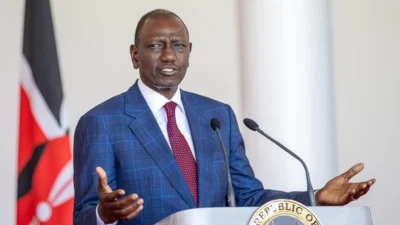
Ruto Demands Mandatory New Constitution for Vision 2060 Reforms
Kenyan President William Ruto told a national audience this week that the 2010 Constitution forces leaders to seek the people’s approval on major changes rather…
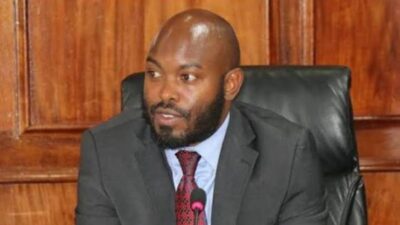
After Claims 2024 Gen Z Were From Illuminati, MP Kagombe Quits UDA
Gatundu South lawmaker Gabriel Kagombe walks away from the United Democratic Alliance this week as he eyes a fresh vehicle in Kenya’s mountain region. The…
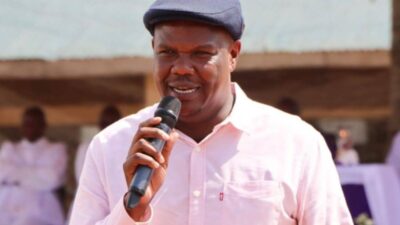
Bumula MP Wamboka Criticizes Wetangula’s Uhuru Exit Call
Bumula MP Jack Wamboka yesterday rejected Speaker Moses Wetangula demands that former president Uhuru Kenyatta leave active politics. The lawmaker spoke in Bungoma County and…
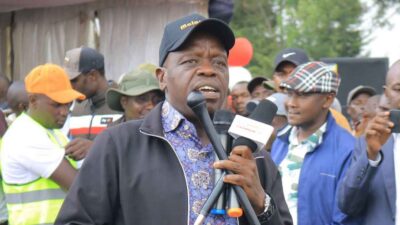
New Emurua Dikirr MP David Keter Outrage After Demeaning Woman
Recently elected Emurua Dikirr MP David Keter sparked fierce public anger across Kenya when he publicly told a woman seeking assistance to sit down and…