
Kenya Secures Sh24 Billion China Loan for 25 Roundabouts Nairobi Smart Traffic

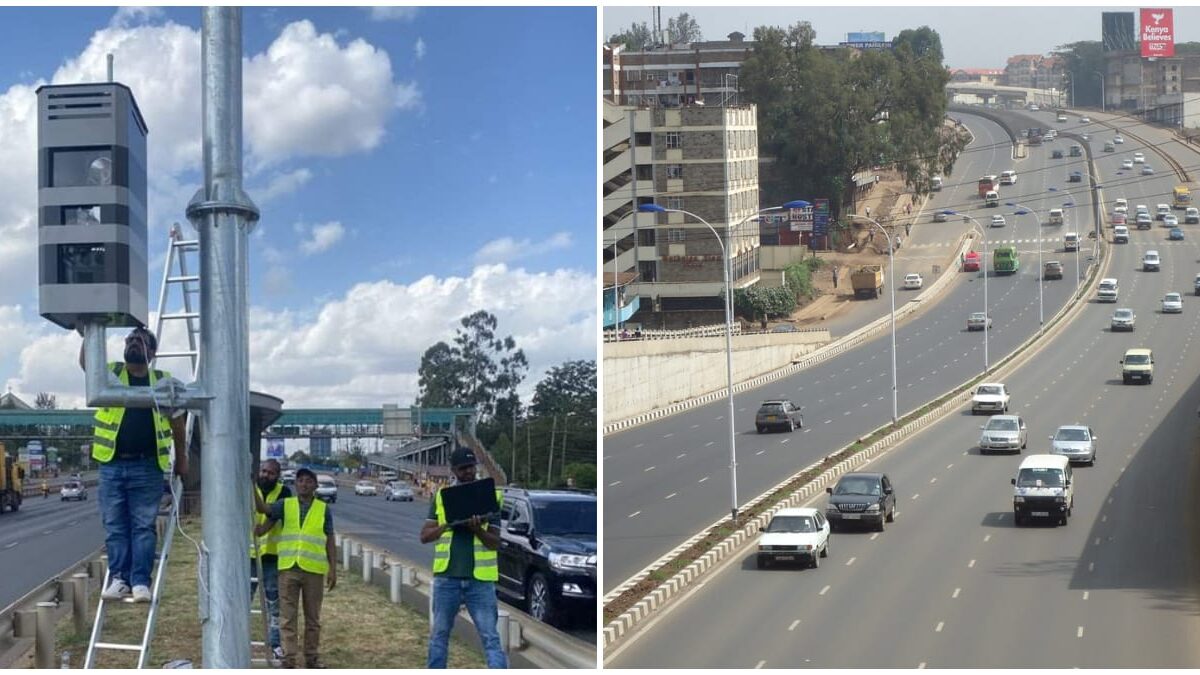
Kenya has secured a Sh24 billion concessional loan from China EximBank to roll out a comprehensive smart traffic system in Nairobi, targeting 25 high-congestion roundabouts with advanced signal lights, AI-powered cameras, and real-time sensors aimed at slashing commute times by up to 40 percent.
The agreement, signed on November 26, 2025, by National Treasury Cabinet Secretary John Mbadi and China EximBank Chairman Chen Huaiyu, marks a pivotal step in modernising the city’s notoriously gridlocked roads, but it has reignited questions about the fate of the Sh1.5 billion worth of Safaricom-installed traffic cameras deployed in 2020 and 2021 across the Central Business District and key highways.
The Intelligent Transport System (ITS) project, initially flagged for completion by January 2025, faced delays due to procurement hurdles and funding reallocations, according to Treasury officials.
Now revived with the USD 185 million infusion—equivalent to about KSh 24 billion at current rates—the initiative will equip junctions like the Kenyatta Avenue-Moi Avenue roundabout and the Mbagathi Way-Lang’ata Road intersection with adaptive traffic signals that respond to vehicle density.
Each roundabout upgrade carries a steep price tag of around Sh1 billion, covering installation, integration with a central command centre, and five-year maintenance contracts.
Proponents hail the move as a game-changer for Nairobi’s 4.4 million daily commuters, who lose an estimated KSh 120 billion annually to fuel waste, lost productivity, and emissions from endless jams.
“This isn’t just about lights and lenses; it’s about reclaiming hours for families and businesses,” Mbadi stated during the signing ceremony in Nairobi, flanked by Kenya Urban Roads Authority (KURA) representatives.
The system will integrate with existing toll roads and public transport apps, potentially syncing matatu routes with live data feeds. Yet, the fanfare has been tempered by scrutiny over past investments.
Fate of 2020 Safaricom Cameras
In 2020, the Treasury disbursed Sh1.5 billion to the Interior Ministry to settle payments owed to Safaricom for a nationwide surveillance network that included hundreds of high-definition CCTV cameras mounted along Thika Road, Uhuru Highway, and the CBD.
Awarded in 2014 as part of a Sh14.9 billion anti-crime initiative post-terror attacks, the project connected 195 police stations via 4G networks and deployed tamper-proof cameras linked to a national command centre.
By 2021, Safaricom had threatened to disable the system over unpaid dues exceeding Sh646 million, prompting the emergency payout to avert a blackout.
What happened to those cameras? Recent audits paint a mixed picture. Interior CS Kipchumba Murkomen assured senators last month that the national CCTV grid—now boasting 1,899 surveillance units and 281 Automatic Number Plate Recognition (ANPR) cameras across 664 sites—remains largely operational in Nairobi and Mombasa, with government-Safaricom partnerships underway to restore non-functional ones.
However, independent reports from the Public Accounts Committee in 2018 and updates through 2020 revealed widespread failures: many units went dark due to neglected maintenance, power outages, and integration glitches with databases for vehicle tracking.
Experts like Dr Bitange Ndemo, former ICT Permanent Secretary, argue the Safaricom rollout suffered from fragmented oversight.
“We installed the hardware but forgot the software ecosystem—linking plates to ownership records and addresses,” Ndemo told local media this week. Vandalism and theft claimed dozens of units in outer suburbs, while urban ones shifted primarily to police use for security rather than traffic enforcement.
By 2023, only about 60 per cent were feeding real-time data, per NTSA estimates, contributing to unchecked red-light violations and hit-and-runs.
The new China-funded ITS aims to address these pitfalls head-on. Unlike the surveillance-focused Safaricom setup, this iteration emphasises traffic optimisation: sensors will detect congestion 500 metres ahead, adjusting lights dynamically and alerting drivers.
Cameras will incorporate facial recognition for violators and ANPR for stolen vehicles, but with robust cybersecurity protocols to prevent hacks seen in earlier systems.
The KURA Director General noted that the project includes training for 500 local technicians, creating jobs while ensuring long-term upkeep. Critics, including opposition MPs, question the wisdom of piling on foreign debt amid Kenya’s Sh10.5 trillion public borrowing stock, with China holding about 20 per cent.
“Why borrow billions for roundabouts when existing cameras rust in warehouses?” critics ask the government. Kenyans called for a forensic audit of the Safaricom funds, demanding accountability before fresh disbursements.
Treasury data shows the loan carries a 2 per cent interest rate with a 20-year tenor and seven-year grace period, positioning it as one of Beijing’s more favourable terms to Nairobi.
City dwellers remain cautiously optimistic. Matatu operators along Jogoo Road report daily snarls costing motorists KSh 5,000 in idle fuel alone, while environmentalists eye the project’s potential to cut carbon emissions by 15 percent through smoother flows.
The rollout kicks off in Q1 2026, starting with pilot sites at Allsops and University Way roundabouts, with full coverage by 2028. As Nairobi edges toward its “smart city” vision under the Nairobi Metropolitan Services blueprint, this Sh24 billion infusion underscores a dual narrative: bold ambition clashing with lessons from half-finished tech ventures.
Whether the new sensors outlast their predecessors will hinge on sustained funding and political will, but for now, the capital’s drivers dream of jam-free horizons.
Related Posts

Lumumba Vea Signs Rexona Deal at 2026 World Cup
Congolese superfan Lumumba Vea signs Rexona deals with the 2026 World Cup in Mexico after his motionless tribute pose captured global attention. The passionate supporter…

Doky Dorcas Sets New Guinness Record for Fastest Chapatis
Doky Dorcas claimed the title for the fastest chapatis when she whipped up three fresh ones in record time at Ongata Rongai on December 15,…

Ruto Fires Back at Gideon Moi Accusing Him of SG Media Headlines…
President William Ruto hit out sharply at Gideon Moi and Standard Media over what he calls daily extortion through headlines. The strong social media post…

Banking for Business Growth – Don’t Miss This Masterclass By Co-op Bank
Starting and growing a business comes with many opportunities, but it also requires the right financial support to succeed.Join us this Friday as we explore…