
Oxfam Reveals Only 4 Million out 53 Million Kenyans Pay SHIF

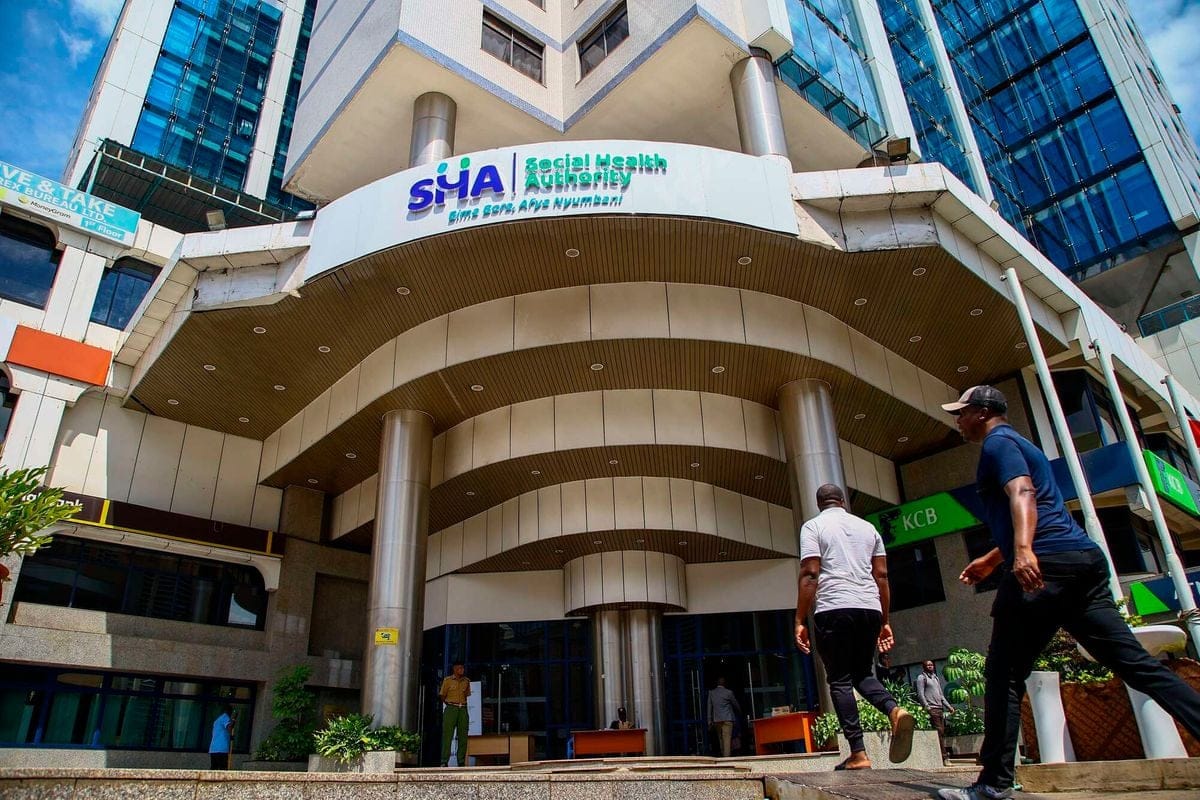
Only 4 million out of Kenya’s 53 million adult citizens are currently contributing to the Social Health Insurance Fund (SHIF), leaving the vast majority without guaranteed access to affordable healthcare despite the government’s promise of universal coverage.
A new Oxfam Kenya report released on November 26, 2025, reveals that private health providers are the biggest beneficiaries of the contributory scheme, receiving over 60 per cent of SHIF payouts while public hospitals struggle with delayed reimbursements and drug shortages.
The report highlights the case of Lilly Nasimiyu, a 59-year-old unemployed widow from Bungoma County battling advanced cervical cancer. When she tried to register for SHIF coverage at her local Level 4 hospital last month, officials demanded an upfront premium of KSh 19,000 to activate her benefits.
After pleading her financial situation, the amount was reduced to KSh 18,200, still equivalent to KSh 1,500 monthly, far beyond her reach.
“I have no job, no land to sell, and my children are also struggling. They told us we would pay only KSh 300 and get jobs in plenty, but instead we are being forced to register for something we cannot afford,” Nasimiyu told journalists at her mud-walled home in Chwele.
She has since abandoned treatment and returned home to wait for death, saying chemotherapy sessions at Moi Teaching and Referral Hospital in Eldoret are now impossible without insurance cover.
Her story has become a rallying point for thousands of low-income Kenyans who feel betrayed by the transition from NHIF to SHIF, which was marketed as cheaper and more inclusive.
Oxfam Kenya’s health inequality researcher says the contributory model is fundamentally flawed for a country where 36 percent live below the poverty line.
“SHIF relies on regular salary deductions or voluntary payments, yet over 80 per cent of Kenyans work in the informal sector with irregular incomes. The result is that only formal employees and a few willing informal contributors are covered, while the poorest are priced out,” she explained during the report launch in Nairobi.
Data from the Social Health Authority shows that as of October 2025, just 3.98 million principal members had made at least one contribution since the SHIF rollout in July 2024.
Of these, 2.7 million are salaried workers whose employers deduct automatically, while only 1.28 million informal sector members have paid voluntarily.
At the current rate, it would take decades to reach the 15 million contributors needed to make the fund financially sustainable, according to actuarial projections.
Private hospitals, meanwhile, are recording windfalls. Facilities like Nairobi West, Avenue Healthcare, and Karen Hospital have reported a 40 percent increase in patient numbers since NHIF was replaced, as SHIF offers higher reimbursement rates for specialised care.
A spot check by bana.co.ke at a private oncology clinic in Westlands found cervical cancer patients with active SHIF cards receiving treatment worth KSh 120,000 per cycle fully covered, while those without cards, like Nasimiyu, are turned away or asked to pay cash.
Health Cabinet Secretary Aden Duale defended the scheme, saying the KSh 500 monthly contribution remains the standard rate and that waivers exist for the extremely poor through the Inua Jamii programme.
However, registration officers in rural areas admit they often demand lump-sum payments because the digital system cannot process partial or irregular contributions from jobless citizens.
A health official in Bungoma said, “We have over 8,000 cancer patients in the region, and at least 60 percent cannot afford SHIF premiums. Many are now defaulting on treatment,” he said.
Community health promoters report a surge in home-based palliative care requests as patients give up on hospital visits altogether. Opposition leaders have seized on the Oxfam findings to demand a complete overhaul.
As the debate rages, Lilly Nasimiyu spends her days in pain, relying on her neighbours for painkillers and occasional food donations. “I voted believing things would get better. Now I just pray God takes me quickly so my children don’t watch me suffer,” she whispered.
Her story, repeated in thousands of households across Kenya, has become the human face of a health financing crisis that threatens to reverse gains made in cancer and chronic disease management over the past decade.
Related Posts
Ruto Demands Mandatory New Constitution for Vision 2060 Reforms
Kenyan President William Ruto told a national audience this week that the 2010 Constitution forces leaders to seek the people’s approval on major changes rather…
After Claims 2024 Gen Z Were From Illuminati, MP Kagombe Quits UDA
Gatundu South lawmaker Gabriel Kagombe walks away from the United Democratic Alliance this week as he eyes a fresh vehicle in Kenya’s mountain region. The…
Bumula MP Wamboka Criticizes Wetangula’s Uhuru Exit Call
Bumula MP Jack Wamboka yesterday rejected Speaker Moses Wetangula demands that former president Uhuru Kenyatta leave active politics. The lawmaker spoke in Bungoma County and…

New Emurua Dikirr MP David Keter Outrage After Demeaning Woman
Recently elected Emurua Dikirr MP David Keter sparked fierce public anger across Kenya when he publicly told a woman seeking assistance to sit down and…