
MP Muriu tables bill to announce presidential results at constituency

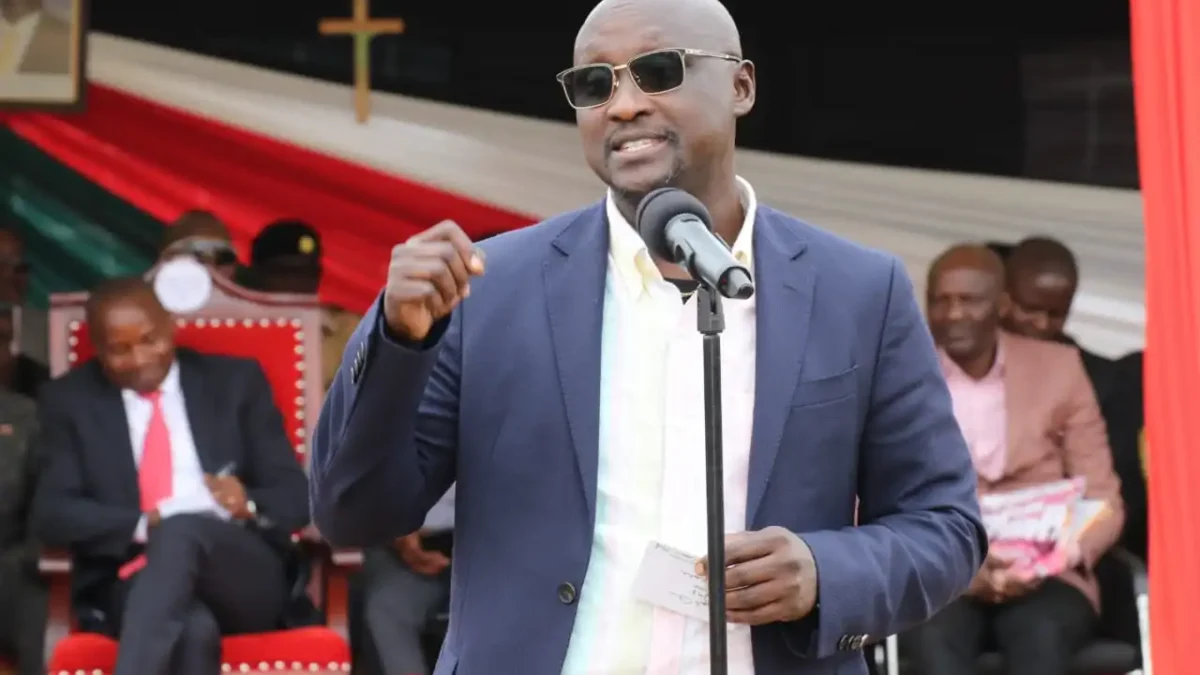
Muriu’s constituency results bill emerges as a bold push for electoral reform in Kenya, with Gatanga MP Edward Muriu set to table legislation mandating the announcement of presidential election outcomes at the constituency level to curb national tallying disputes.
Unveiled amid growing calls for IEBC overhauls, the proposed amendment to the Elections Act aims to decentralise result declarations, empowering local returning officers and reducing manipulation risks at the Bomas of Kenya.
As Muriu gears up for parliamentary tabling next week, the initiative taps into voter frustrations from past polls, positioning it as a cornerstone for credible 2027 voting.
Muriu, a vocal advocate for devolved governance since his 2022 entry into the National Assembly, dropped the bombshell during a constituency development forum in Thika last Friday.
Flanked by local elders and youth leaders, the lawyer-turned-legislator argued that centralising tallies has bred mistrust, citing the Supreme Court’s 2017 annulment of Uhuru Kenyatta’s win over irregularities in form transmission.
“We cannot afford another cycle of shadows and whispers; let the people see their votes counted where they cast them,” Muriu declared, his words met with thunderous applause from over 500 attendees.
The bill, dubbed the Elections (Amendment) Bill 2025, would require IEBC commissioners to verify and publicise constituency tallies within 48 hours of polls closing, with national aggregation following as a formality.
Digital dashboards and constituency gazettes would ensure real-time access, a nod to tech-savvy Gen Z demands for openness.
This isn’t Muriu’s first rodeo on electoral integrity. As a UDA backbencher, he’s championed probes into the 2022 IEBC servers saga, where four commissioners disowned results amid hacking claims.
His latest move aligns with a bipartisan chorus: Azimio’s Okiya Omtatah filed a similar petition in September, while even Ruto allies like Kitui Central’s Makali Mulu whisper support behind closed doors.
The Gatanga firebrand’s version stands out for its granular focus, mandating voter education drives and penalties up to Sh10 million for tampering at local levels.
“Transparency starts at home; if Gatanga’s 120,000 voters can track their say, so can every Kenyan,” he told journalists post-forum, eyes fixed on bridging urban-rural divides in Kiambu County.
Critics, however, smell politics in the air. With 2027 primaries looming, Muriu’s pollster woes add spice: a Kenya Track Survey last month pegged him trailing challenger Samuel Waweru 54-42 in Gatanga, where undecideds sway the tea-rich turf.
Broader stakes pulse with urgency. Kenya’s electoral architecture, born from the 2010 Constitution’s Chapter Seven, promises sovereignty at the grassroots, yet repeated IEBC stumbles erode faith.
A 2025 Afrobarometer poll revealed 62 per cent of respondents distrust national tallies, highest in Rift Valley and Nyanza.
Muriu’s constituency results bill could flip that script, syncing with President Ruto’s bottom-up blueprint by devolving power further.
Allies in the Justice and Legal Affairs Committee, including Minority Whip Junet Mohamed, hint at fast-tracking, potentially folding it into the ongoing IEBC Amendment Bill sparked by the 2022 four-vs-three commissioner split.
Implementation hurdles loom large, though. IEBC Chair Wafula Chebukati, facing term-end in 2026, has decried resource strains, estimating Sh2 billion for nationwide constituency hubs.
For women and youth, often sidelined in tally disputes, the bill mandates a 30 per cent quota for local verification teams, echoing Muriu’s push for inclusive devolution.
As November’s parliamentary calendar fills, eyes lock on Muriu’s November 12th first reading. UDA elders, sensing a unifying thread for Ruto’s re-election bid, pledge whips’ support, while the opposition scouts for amendments to include gubernatorial races.
Related Posts
Edwin Sifuna Climbs Fast in 2027 Kenya Election Poll – TIFA Polls
Nairobi Senator Edwin Sifuna climbs fast in the 2027 Kenya election poll as opposition dynamics shift sharply. Voters now give him 15 percent support for…
Ruto Clashes With Sifuna Over Rural Affordable Housing Chickens.
President William Ruto traded sharp words with Nairobi Senator Edwin Sifuna over rural housing chickens’ plans during a fresh clash that spotlights deep divisions in…
Kiraitu Murungi Boldly Predicts Ruto 2027 Presidency ‘Mpende Msipende’
Veteran politician Kiraitu Murungi stood firm as he addressed growing frustration among Meru voters toward President Ruto. He declared that despite widespread anger and vows…

Sifuna Accuses Safaricom of Blocking Linda Mwananchi PayBill ‘Orders From Above’
Nairobi Senator Edwin Sifuna raised sharp concerns after Safaricom blocked the Linda Mwananchi paybill right in the middle of its surge. The citizen effort pulled…