
President William Ruto’s Gwitembe Land Grab Claims in Kuria

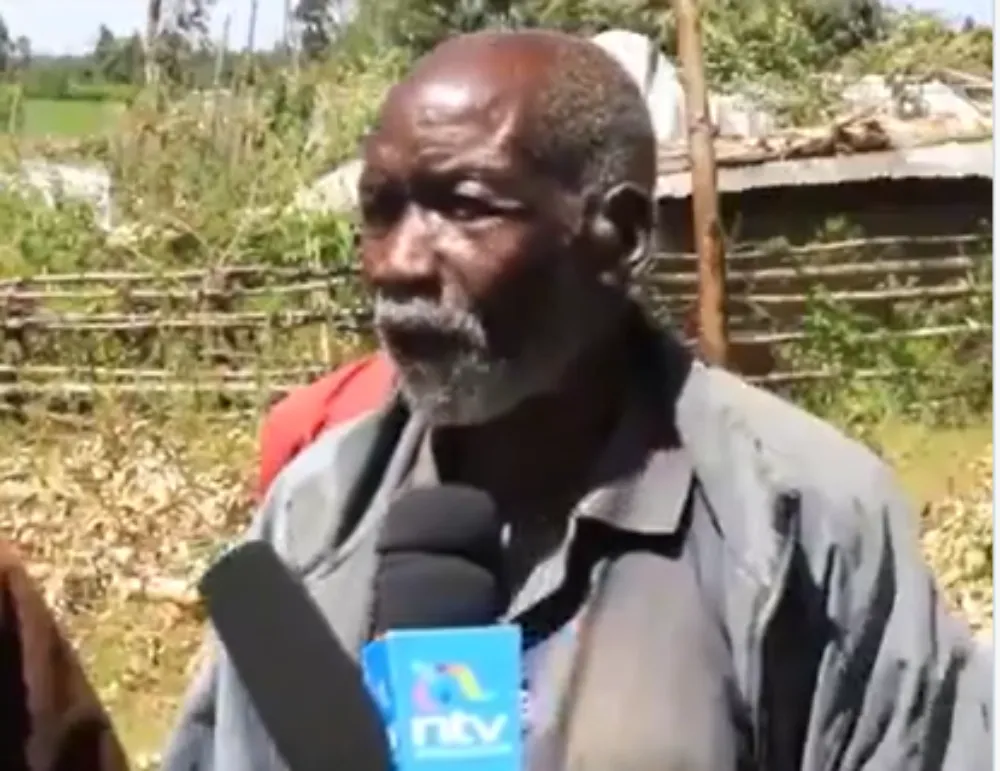
President William Ruto’s Gwitembe land grab claims against Kuria have ignited fierce debates along the porous Kenya-Tanzania border, as furious residents in this remote Migori County hamlet accuse President William Ruto of snatching their ancestral plots through forceful evictions, branding them as foreigners to justify the onslaught that includes daily gunfire and destroyed homes.
Nestled in the Kuria East constituency, Gwitembe sits on a contested strip where Kenyan and Tanzanian flags flutter uneasily side by side, a legacy of colonial map drawings that still spark skirmishes over grazing rights and farmland.
Locals, mostly Kuria farmers eking out their livelihood from maize and tobacco on red soil patches, gathered under a mango tree Monday to vent their anguish to visiting journalists, their faces etched with dust and defiance.
“Kila siku unapigwa risasi,” one elder, Joseph, 62, recounted in a mix of Swahili and Kuria, his hands trembling as he described nightly raids by armed men in civilian clothes.
“Sasa kama Raisi mwenyewe amenunua hapa, sasa sisi tunanyang’anywa akisema sisi ni Watanzania.” The translation cuts deep: every day bullets fly, and now the president himself has bought here, so we’re being robbed while he calls us Tanzanians.
A viral video shared by journalist Saddique Shaban on X last week amplified the accusations, showing bulldozers razing fences and homes as women wail and children scatter.
Shaban’s post captured raw testimonies of families displaced to makeshift camps across the border in Tarime, Tanzania, their livestock confiscated and wells poisoned, they claim.
Another resident, a widow named Maria, pointed to fresh bullet holes in her mud-walled kitchen. “Wenye waliua watu hapa walikuwa wakale,” she said, alleging the assailants, drunk on power or liquor, left three dead in an October raid, bodies dumped in thickets to evade probes.
At the heart lies a title deed locals say bears Ruto’s name for hundreds of acres, acquired through proxies in shady deals dating to his deputy president days.
Community leaders waved faded survey maps at an impromptu meeting, insisting the land, passed down since pre-colonial migrations, was never for sale.
“This is our blood soil; our grandfathers fought Maasai raids here,” barked Peter Chacha, a youth leader nursing a bandaged arm from a recent clash.
Evictions escalated in September, coinciding with border reaffirmations amid Tanzania’s election turmoil, fuelling theories of a coordinated push to “Kenyanise” the zone for elite ranches or mining prospects.
“Governors come, take photos, and leave us to the guns,” one farmer quipped. Rights groups like the Kenya Human Rights Commission demanded urgent intervention, citing patterns in Ruto-linked grabs from Taita Taveta farms to Ruai plots, where courts have flip-flopped on titles.
Police in Kehancha dismissed the claims as “border squatter propaganda”, vowing arrests for trespass but no charges against alleged evictors.
In Gwitembe’s evening hush, broken only by distant hyena calls, families pack belongings under moonlight, fearing the next dawn raid.
Ruto’s Gwitembe land grab claims and Kuria highlight deeper border woes, where ancestry clashes with ambition, and bullets speak louder than deeds. Will probes unearth truth, or bury it deeper?
Related Posts
Ruto Demands Mandatory New Constitution for Vision 2060 Reforms
Kenyan President William Ruto told a national audience this week that the 2010 Constitution forces leaders to seek the people’s approval on major changes rather…
After Claims 2024 Gen Z Were From Illuminati, MP Kagombe Quits UDA
Gatundu South lawmaker Gabriel Kagombe walks away from the United Democratic Alliance this week as he eyes a fresh vehicle in Kenya’s mountain region. The…
Bumula MP Wamboka Criticizes Wetangula’s Uhuru Exit Call
Bumula MP Jack Wamboka yesterday rejected Speaker Moses Wetangula demands that former president Uhuru Kenyatta leave active politics. The lawmaker spoke in Bungoma County and…
New Emurua Dikirr MP David Keter Outrage After Demeaning Woman
Recently elected Emurua Dikirr MP David Keter sparked fierce public anger across Kenya when he publicly told a woman seeking assistance to sit down and…