
Tanzania Demands CNN Reveal Sources Over Protest Videos
 Adhis Okena — November 24, 2025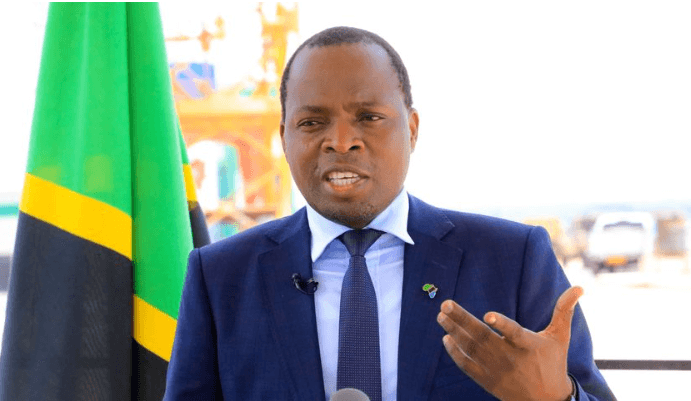
Tanzania demands CNN reveal sources in a fierce government pushback after spokesperson Gerson Msigwa accused the American network of broadcasting “fabricated” footage of police brutality during recent opposition protests.
Speaking at a packed press conference on Monday, Msigwa challenged CNN to name the individuals who supplied graphic videos showing officers firing live rounds into crowds and dragging bloodied demonstrators in Arusha and Dar es Salaam last week.
“We want CNN to reveal their sources and who exactly gave them these videos,” he insisted, claiming the clips were doctored by “foreign agents” to tarnish President Samia Suluhu Hassan’s international image.
The demand has sent chills through Tanzania’s fragile activist community. Human rights defenders warn that anyone identified as a CNN source risks abduction, torture, or worse.
“We have seen this script before,” said Maria Sarungi Tsehai, a prominent exiled advocate. “People who speak to international media disappear into police cells or simply vanish. Revealing sources is a death sentence.”
Amnesty International also said it documented at least 18 cases since 2023 where citizens who shared protest evidence with foreign outlets were later arrested on treason charges or found dead under mysterious circumstances.
The controversy erupted after CNN aired a 12-minute segment last Thursday titled “Cracks in Tanzania’s Democracy”, featuring smartphone footage of riot police using live ammunition on unarmed Chadema supporters demanding electoral reforms.
One particularly harrowing clip showed a young man being shot in the back while fleeing, collapsing in a pool of blood as officers closed in. CNN attributed the material to “citizen journalists operating at great personal risk,” refusing to name them for safety reasons.
Msigwa dismissed the footage as “staged propaganda”, alleging the blood was fake and the actors paid by opposition exiles in Europe. He announced the formation of a special task force to trace the videos’ origins, vowing to prosecute anyone found distributing “false information that incites violence”.
Internet freedom monitors report that since Friday, WhatsApp and TikTok uploads containing protest videos have been systematically removed within hours, while several known activists in Dodoma and Mwanza have gone offline after receiving police summons.
In the streets of Kariakoo, fear is palpable. “We film because someone must show the truth, but now even hiding the phone feels dangerous,” whispered 27-year-old vendor Juma Hassan, speaking on condition of anonymity.
“If CNN names anyone, that person is finished.” A lawyer representing three detained Chadema youth told this reporter outside Ubungo Police Station that his clients were specifically asked during interrogation who they sent videos to and whether CNN had contacted them.
The East African Court of Justice and the African Commission on Human and Peoples’ Rights have both received urgent appeals to intervene, citing violations of press freedom and the right to life.
Meanwhile, CNN issued a brief statement reaffirming its commitment to protecting sources in repressive environments: “We will not endanger lives to satisfy government demands.”
As night curfews return to parts of Dar es Salaam and mobile data speeds mysteriously slow during evening hours, Tanzania’s demand that CNN reveal sources has transformed from a diplomatic spat into a chilling reminder of the cost of bearing witness.
Related Posts
President Museveni Calls Sex Denial In Marriage Jailable Offense
Uganda President Yoweri Museveni stirred fresh controversy when he declared denying your partner sex a big offence that could land people in jail. The veteran…
Uri Geller Cancels Witch Doctor Nana Kwaku Curse on Harry Kane
Uri Geller stepped in to cancel the witch doctor’s curse on Harry Kane right before England faced Ghana in the World Cup. The Israeli-British illusionist…
Didier Deschamps Mourns Mother’s Death Ahead of Norway Game
France national team coach Didier Deschamps faces sudden heartbreak as news of his mother’s death spreads through the football world. The long-time leader will fly…
JD Vance Delivers Blunt Warning to Netanyahu Government
Vice President JD Vance issued a fierce warning to Benjamin Netanyahu’s cabinet on Thursday against undermining their crucial American partnership over President Donald Trump’s new…