
60% of Kisumu Market Fish Carry Antibiotic-Resistant E. Coli – Report
 Adhis Okena — December 3, 2025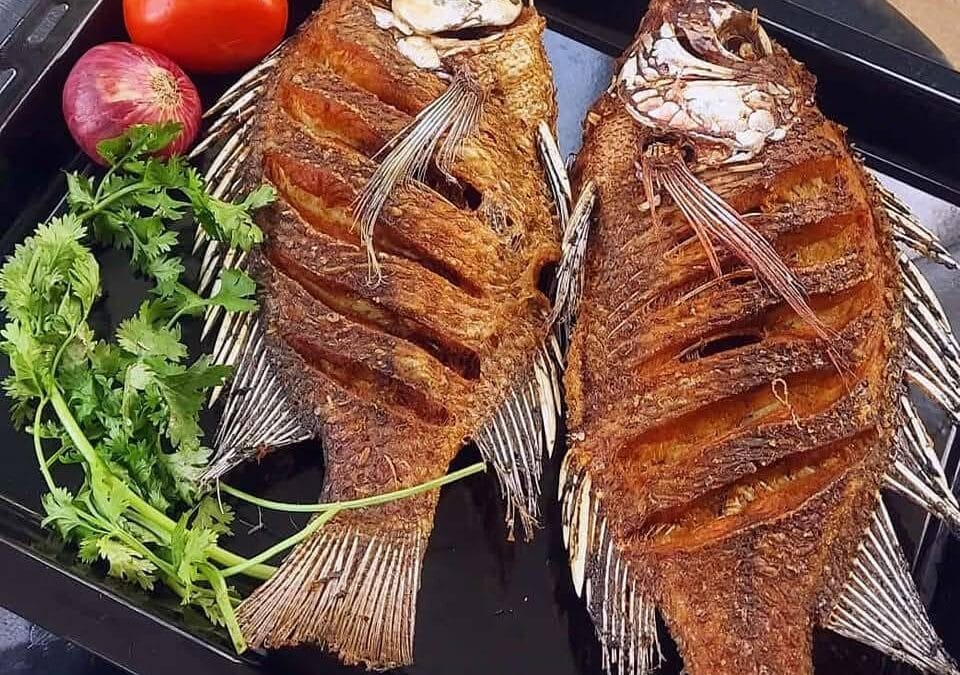
A newly published scientific study has delivered alarming findings: sixty percent of market-ready fish sold across Kisumu County test positive for antibiotic-resistant Escherichia coli (E. coli), confirming long-held fears about widespread bacterial contamination in Lake Victoria’s supply chain. Researchers warn that regular consumption of these fish poses a growing public health threat, with the potential to trigger severe urinary tract infections, bloodstream infections (sepsis), and even meningitis in vulnerable groups.
The study, conducted jointly by Maseno University’s School of Public Health and the Kenya Marine and Fisheries Research Institute (KMFRI) Kisumu, analysed 240 fish samples collected between June and October 2025 from major landing beaches and municipal markets, including Dunga, Railway, Jubilee, and Nyamasaria.
Using standard microbiological methods, scientists discovered that 144 out of 240 fish samples (60 percent) contained E. coli strains that were resistant to at least three common antibiotics, such as ampicillin, tetracycline, and cipro. Some isolates showed resistance to up to eight antibiotic classes, earning them the dangerous “multi-drug resistant” label.
Lead researcher Dr Pamela Achieng told journalists during the report launch at KMFRI headquarters on Wednesday morning that the primary contamination pathway appears to be human and animal waste flowing untreated into the lake.
“Winam Gulf receives sewage from Kisumu City, untreated hospital effluent, runoff from poultry and livestock farms, and abattoir waste. Fish absorb these resistant bacteria through their gills and intestines, then carry them all the way to the consumer’s plate,” she explained.
The findings echo smaller surveys done in 2022 and 2023 but reveal a sharp upward trend. Only 38 per cent of samples tested resistant two years ago. Researchers attribute the surge to increased misuse of antibiotics in surrounding communities and poultry farms along the lake basin, where farmers routinely mix drugs into animal feed to promote growth.
Once excreted, these antibiotics enter rivers such as Nyando, Kibos, and Luanda that empty directly into the lake, creating a perfect breeding ground for superbugs.
Health experts are particularly worried about children, pregnant women, and people living with HIV who buy affordable tilapia and Nile perch from local markets daily.
“Cooking kills the live bacteria, but if proper hygiene is not observed during handling, cross-contamination on cutting boards or knives can easily transfer resistant strains to salads, ugali, or sukuma wiki,” warned Dr Elizabeth Awuor, Kisumu County Director of Public Health.
The county government has responded cautiously. Governor Anyang’ Nyong’o convened an emergency meeting with fisheries and health officials Wednesday afternoon, promising stricter enforcement of waste discharge regulations and weekly water quality monitoring at key beaches.
“We cannot gamble with the health of over one million residents who depend on fish as their main source of protein,” he said in a statement. Plans are also underway to install low-cost sewage treatment plants at Dunga and Lwang’ni beaches by mid-2026, with funding sought from the Lake Victoria Environmental Management Project.
Fish traders at Jubilee Market expressed mixed reactions. Mama Sarah Otieno, who has sold tilapia for fifteen years, admitted she was shocked but insisted customer demand remains high. “People still buy because it is cheaper than meat. We just need the government to clean the lake,” she said while arranging glistening fish on her wooden stall.
Scientists are now calling for a nationwide antibiotic stewardship programme targeting both human medicine and agriculture. “Unless we reduce antibiotic misuse on farms and enforce proper sewage treatment, resistant bacteria will keep spreading through the food chain,” cautioned Prof. Chris Aura, KMFRI’s Freshwater Systems Research director.
The study, published in the latest edition of the African Journal of Microbiology Research, recommends that consumers thoroughly wash fish under running water, cook it to at least 70°C internal temperature, and avoid buying smoked or sun-dried fish from unregulated beaches where bacterial loads are highest.
As Kisumu’s iconic fish remains a dietary staple and economic lifeline for thousands of families, Wednesday’s revelation serves as a wake-up call. Lake Victoria feeds millions across East Africa, but without urgent action, it risks becoming a reservoir of untreatable infections threatening an entire region.
Related Posts

Edwin Sifuna Climbs Fast in 2027 Kenya Election Poll – TIFA Polls
Nairobi Senator Edwin Sifuna climbs fast in the 2027 Kenya election poll as opposition dynamics shift sharply. Voters now give him 15 percent support for…

Ruto Clashes With Sifuna Over Rural Affordable Housing Chickens.
President William Ruto traded sharp words with Nairobi Senator Edwin Sifuna over rural housing chickens’ plans during a fresh clash that spotlights deep divisions in…

Kiraitu Murungi Boldly Predicts Ruto 2027 Presidency ‘Mpende Msipende’
Veteran politician Kiraitu Murungi stood firm as he addressed growing frustration among Meru voters toward President Ruto. He declared that despite widespread anger and vows…

Sifuna Accuses Safaricom of Blocking Linda Mwananchi PayBill ‘Orders From Above’
Nairobi Senator Edwin Sifuna raised sharp concerns after Safaricom blocked the Linda Mwananchi paybill right in the middle of its surge. The citizen effort pulled…