
Koko Fuel Shuts Down Entirely, Fires All Its Workforce

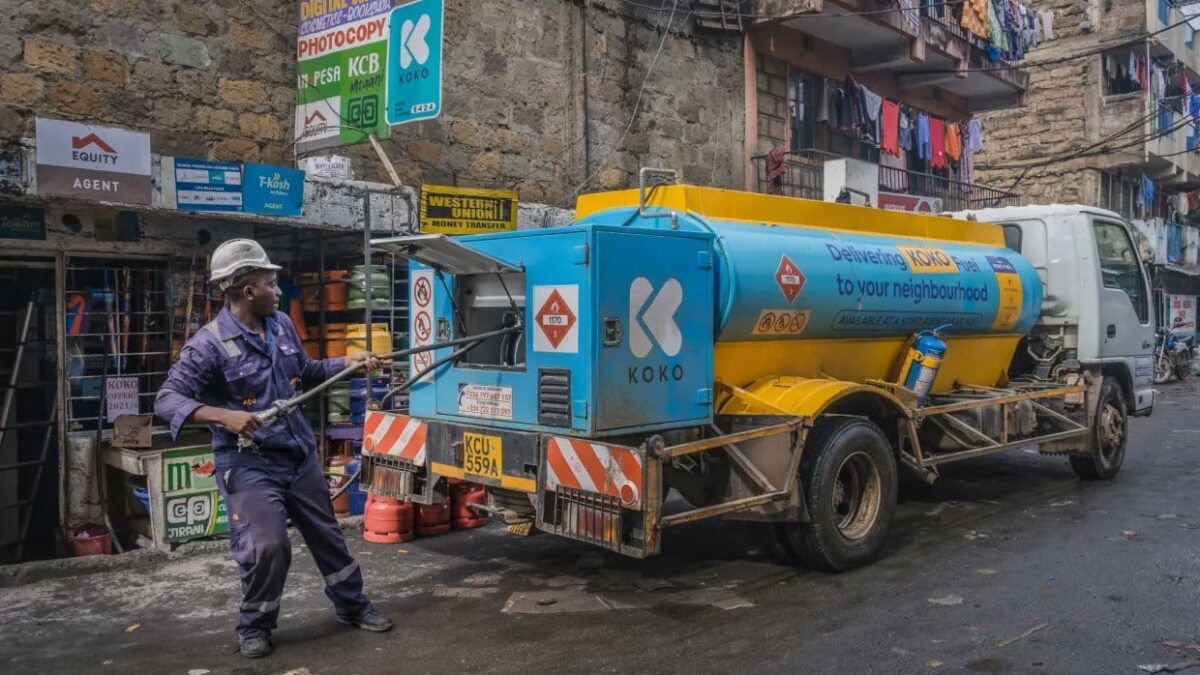
Koko Networks’ shutdown leaves 700 workers jobless and over a million Kenyan homes scrambling for clean fuel options after the government stalled on approving carbon credit sales that kept the business afloat. The Nairobi-based startup, known for its bioethanol stoves and affordable cooking solutions, called it quits last Friday, blaming the holdup on a key letter of authorisation needed to sell those credits abroad.
The decision was made following two days of intense board meetings at their offices, during which leaders carefully considered their limited options before making the decision to close the business. Reporters were informed by a board member and employee that the company faced bankruptcy due to the lack of official approval, thereby disrupting the revenue stream that provided fuel subsidies to low-income families.
Koko had poured over $300 million into building a network of 3,000 automated fuel points and partnering with women agents to deliver bioethanol across urban spots. That cash, including a hefty $179.6 million guarantee from the World Bank, now hangs in limbo as the company eyes insurance claims against the government’s delay.
Families hit hardest worry about switching back to dirtier alternatives like charcoal or kerosene, which choke the air and are linked to hundreds of thousands of early deaths each year in Africa. One mom in Nairobi’s slums told a local station she relied on Koko’s half-price stoves to cook without smoke filling her tiny home.
Now, with supplies drying up, she’s back to scraping for pricier options that burn her budget and lungs. Agents who sold the fuel door-to-door face empty pockets too, with thousands out of work overnight.
Outside of Koko’s base, protests broke up swiftly. Laid-off workers and users waved banners and chanted for refunds or restarts. Videos show people pushing against security, and their voices are hoarse with anger over lost jobs and broken promises.
There are a lot of anecdotes on social media. One former employee wrote about how he was now feeding his family with nothing, and another posted pictures of fuel machines that were empty and accumulating dust. Hashtags are trending that call out the government for destroying new ideas that cut down on pollution and saved lives.
Leaders of companies blame red tape for slowing down the approval of carbon credits. Koko’s concept depended on those sales to make up for the subsidies, which made it possible for those with low incomes to cook cleanly. Without the nod, cash flow came to a halt, which led to the closure that left 1.5 million homes without power.
Some people say that politics had anything to do with the delays, which were caused by wider conflicts about who controls Kenya’s carbon market. One allegation says that a demoted official turned down dodgy agreements, which left honest people like Koko trapped in the middle.
Government officials aren’t saying much, although a statement from the ministry vowed to check into the problem. Critics don’t believe it. They say that sluggish approvals harm firms that want to make the world a better place, which scares away investors who put billions into clean innovation. Kenya has big plans to fight climate change, but actions like this make it harder to do rid of filthy fuels that kill thousands of people every year because of lousy air.
Koko began out strong in 2013, turning a simple idea into a network that connects millions of people and uses smart equipment to give out gasoline like ATMs.Women agents earned steady cash delivering to doors, lifting communities one stove at a time. But without carbon cash, the math didn’t add up anymore. Workers got the bad news Friday, many walking out stunned after years building something they believed in.
Online, Kenyans vent mixed feelings. Some blame the company for betting too big on credits; others slam leaders for bungling approvals that cost jobs. One netizen going viral shows a former agent counting empty pockets: “700 families broken overnight – who answers for that?” Groups are getting people to sign petitions for faster green approvals and beginning cash for laid-off workers.
This affects more than one business. Kenya’s startup community is full of concepts like Koko’s, which get money from other countries to pay for sustainable energy repairs. But delays slow things down, making investors nervous and keeping residents trapped in their old routines.
Health experts say that going back to charcoal escalates the hazards, with more youngsters coughing and women getting sick from the smoke. Every year, 600,000 people in Africa die from improper cooking. Koko halved that number in Kenya.
As the dust settles, people look at claims against the state. Koko is thinking of suing over the breaches in order to get the $179.6 million guarantee to make things easier. In a tight job market, workers look for new jobs and agents switch to other jobs. The slums of Nairobi feel the pain first, as fuel prices double overnight.
Koko’s demise is a warning to all startups: if you tie your future to policy, delays might kill you. Kenya loses a campaigner for clean air, jobs disappear, and families suffer. People are calling for fixes—speed up approvals, safeguard green businesses, or watch more dreams fall apart. Right now, 700 people don’t know what tomorrow will bring, which is a clear sign that policy delays damage actual lives.
Communities hold employment fairs and help drives. One former Koko worker created a group chat to share leads and keep optimism alive. The government might change its mind following this response, but for many people, it’s too late.
This narrative is similar to prior failures when red tape stopped new ideas from being tried. Kenya wants to grow in a way that is good for the environment, but this kind of thing slows it down. The struggle isn’t ended yet, so keep an eye out for developments as claims go to court.
Related Posts

Lumumba Vea Signs Rexona Deal at 2026 World Cup
Congolese superfan Lumumba Vea signs Rexona deals with the 2026 World Cup in Mexico after his motionless tribute pose captured global attention. The passionate supporter…

Doky Dorcas Sets New Guinness Record for Fastest Chapatis
Doky Dorcas claimed the title for the fastest chapatis when she whipped up three fresh ones in record time at Ongata Rongai on December 15,…

Ruto Fires Back at Gideon Moi Accusing Him of SG Media Headlines…
President William Ruto hit out sharply at Gideon Moi and Standard Media over what he calls daily extortion through headlines. The strong social media post…

Banking for Business Growth – Don’t Miss This Masterclass By Co-op Bank
Starting and growing a business comes with many opportunities, but it also requires the right financial support to succeed.Join us this Friday as we explore…