
Boy on Zvikomborero Maria Makedenge Sex Videos Leak, Wants Teacher Freed

Zvikomborero Maria Makedenge’s new sex video leak has caused ripples across Zimbabwe’s social media landscape, with fresh explicit clips purportedly showing the 33-year-old US-based entrepreneur and makeup artist in intimate encounters with a 16-year-old high school student resurfacing just days after her court appearance on rape charges.
The additional footage, which began circulating on private Telegram groups and WhatsApp channels late Wednesday, depicts the pair in various positions inside what appears to be a modest bedroom in Harare’s Glen View suburb, including scenes of the teen filming himself during the acts. Experts believe these clips, totalling over five minutes when combined, were captured on the boy’s mobile phone during the alleged August 2 incident, contradicting earlier reports that only a single 42-second snippet had escaped into the public domain.
Makedenge, who returned to Zimbabwe for a family visit after years in Atlanta, Georgia, where she runs a beauty supply business, faces up to 15 years in prison under the Criminal Law (Codification and Reform) Amendment Act of 2025, which raised the age of consent to 18 amid rising concerns over child exploitation. Prosecutors argue she exploited her position as the girlfriend of a tenant in the boy’s family home to coerce him, promising a fully sponsored trip to America and academic favours in exchange for silence.
In a dramatic courtroom twist earlier this week at Harare Magistrates Court, the unnamed Form 4 pupil, now nicknamed “Bulldozer” by peers for his sturdy build, stunned observers by retracting his initial claim of force.
Testifying via video link to shield his identity, the teen insisted he initiated the contact, describing Makedenge as “cute and kind” and the experience as something that “felt good at the time.” He urged Magistrate Lydia Kuviri to drop the charges, saying, “It was me who approached her after math lessons. I don’t want her to suffer because of my video.”
His words ignited immediate backlash online, with women’s rights groups like the Musasa Project accusing him of internalised grooming, while men’s forums celebrated it as proof of mutual consent.
The boy’s return to Chitungwiza High School on Monday turned him into an unwilling celebrity, classmates mobbing him for autographs and selfies, though counsellors reported he’s withdrawn and skipping classes amid taunts.
Defence lawyer Lennon Itai Rwizi seized on the testimony, filing an urgent bail variation application Thursday, arguing the leak has irreparably damaged Makedenge’s reputation and that her US$100 bond conditions, including surrendering her passport, are punitive given the “reversal” in evidence.
Rwizi highlighted discrepancies in the prosecution’s timeline, noting the boy only confided in his sister weeks later, after a family argument over his phone usage.
Social media erupted with debates over the videos’ graphic elements, some users crudely labelling the acts as “slapping” or “spanking” in viral memes that amassed over millions of views.
Child psychologist Dr Tendai Chikowore, speaking to sources, warned that the teen’s public defence may stem from trauma bonding, a common response in power-imbalanced relationships where victims rationalise abuse to cope. “At 16, consent isn’t just verbal; it’s impossible when an adult holds sway over grades and futures,” she said, urging mandatory therapy for the boy regardless of the verdict.
Makedenge, elegant in a navy pantsuit during her last hearing, maintained a composed silence outside court but reportedly broke down in tears upon learning of the new leaks, according to sources close to her family.
Glen View residents, where the family home stands shuttered with boarded windows, expressed mixed sentiments. One neighbour, speaking anonymously, recalled Makedenge as “always helpful with kids’ homework”, while another decried the scandal as “poisoning our community’s trust in visitors from abroad”.
As the trial resumes on January 15, 2026, with forensic analysis of the phone’s metadata pending, this saga shows Zimbabwe’s evolving fight against digital vigilantism and statutory offences. For now, the leaks serve as a grim reminder that in the age of smartphones, private regrets become public reckonings, leaving scars that courts alone can’t heal.
Related Posts
GSU Man Shoots Married Mpago wa Kando Doris Murei Dead in Camp…
A 45-year-old married nurse named Doris Murei left her home and family on Sunday and met a married GSU officer for a secret encounter, then…
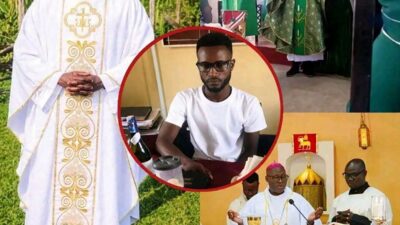
Fake Priest Jones Bogonko Arrested After Viral Dance Videos
Jones Bogonko Onchonga from Kisii fooled the Catholic Diocese of Lodwar as a cleric until fake priest videos showing his lively steps spread and raised…

Charlene Ruto Traditional Wedding with Husband Isaya Yunge
Tanzanian internet entrepreneur Isaya Yunge stands ready to join First Daughter Charlene Ruto in a landmark traditional ceremony this Saturday, August 8, 2026, at the…

Charlene Ruto Prepares for Dowry Koito Ceremony: Who is the Husband?
President William Ruto’s daughter Charlene Ruto steps into a major life moment as her Koito ceremony draws near at the family farm in Kilgoris this…