
Cyrus Jirongo Accident: Petrol Station Guard Claims No Traffic


The Cyrus Jirongo accident takes a new twist as the petrol station guard with no traffic claim has emerged as a security officer on duty the night the late flamboyant politician met his fatal end, insisting the highway appeared clear with minimal vehicles moments before the collision near a filling station along Ngong Road.
The guard, Ephraim Cheptek, stationed at the TotalEnergies outlet opposite the crash site, told investigators he noticed Jirongo’s black Mercedes approaching at moderate speed around 11:45 p.m. on November 28. He recalled only sporadic matatus and private cars passing, contradicting statements from the bus driver involved, who described heavy late-night traffic forcing sudden lane changes.
Eyewitness accounts vary in the ongoing probe by traffic police and National Transport and Safety Authority officials. The bus operator claimed Jirongo swerved abruptly into his path while overtaking, leading to the head-on impact that crushed the luxury sedan. However, the guard maintained visibility that stretched far along the well-lit stretch, with no congestion obstructing views.
Dashcam footage from nearby businesses remains under review, potentially clarifying the sequence of events. Forensic teams already established excessive speed as a factor on Jirongo’s side, though exact contributions from either party await final determination.
Family representatives welcomed the guard’s input, viewing it as crucial for fair reconstruction. They urged authorities to expedite toxicology reports and mechanical inspections of both vehicles to establish comprehensive facts surrounding the tragedy.
Colleagues at the petrol station corroborated the guard’s observation of light traffic typical for weekday nights in the area. Pump attendants on shift reported serving few customers around the time, supporting claims of open roads rather than bumper-to-bumper conditions.
The contradiction highlights challenges in multi-witness accidents, where perspectives differ based on vantage points. Police recorded statements from over a dozen individuals, including passengers on the bus who described hearing loud engine revs before impact.
Road safety advocates used the case to renew calls for stricter enforcement along Ngong Road, notorious for overtaking incidents despite double yellow lines in sections. Proposals include additional speed cameras and rumble strips near junctions where vehicles enter from side roads.
Jirongo’s burial proceeded last week amid emotional tributes focusing on his colourful legacy rather than accident details. Politicians from across divides attended, eulogising the former cabinet minister and businessman known for bold ventures and generous spirit.
As investigations continue, the petrol station guard’s testimony adds another layer to understanding the fatal moments. Traffic experts stress the importance of multiple sources in piecing together accurate timelines for justice and preventive measures.
The late tycoon’s Mercedes reportedly lacked functioning airbags upon impact, raising questions about the maintenance of high-end vehicles on Kenyan roads. Salvage teams towed wreckage for further examination at police yards.
Commuters familiar with the route shared mixed experiences, some recalling frequent congestion during peak hours but quieter flows late at night. Delivery drivers operating similar timings leaned toward the guard’s version of sparse traffic.
Whatever the final report concludes, the accident claimed a prominent figure whose life story captivated generations. From youth politics to business empires and political comebacks, Jirongo left indelible marks now remembered amid efforts to establish the exact circumstances of his departure.
Authorities promised updates once all evidence aligns, assuring transparency for the bereaved family and public interest. For now, the petrol station guard’s account stands as a key piece in the puzzle of that tragic November night on Ngong Road.
Related Posts
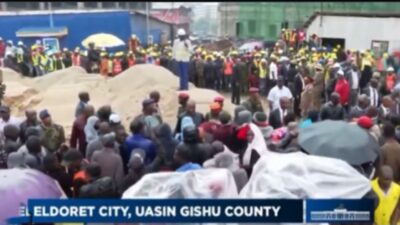
Ruto: Sifuna ni fala anataka tusimamishe mradi wa Affordable Housing
President William Ruto stood before crowds in Eldoret, Uasin Gishu County, on Thursday, August 13, 2026, and branded Nairobi Senator Edwin Sifuna a fool for…
CO-OP BANK REPORTS A STRONG 17.3 PERCENT GROWTH IN PROFIT TO KSH…
Co-op Bank has posted a strong profit before tax of KSh 23.1 billion for the half year ended 30 June 2026, compared to KSh 19.7…
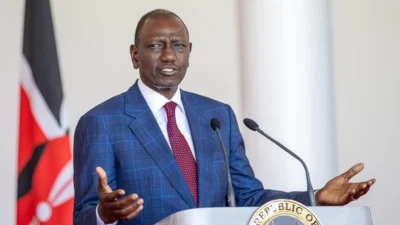
Ruto Demands Mandatory New Constitution for Vision 2060 Reforms
Kenyan President William Ruto told a national audience this week that the 2010 Constitution forces leaders to seek the people’s approval on major changes rather…
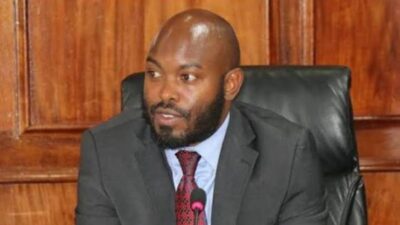
After Claims 2024 Gen Z Were From Illuminati, MP Kagombe Quits UDA
Gatundu South lawmaker Gabriel Kagombe walks away from the United Democratic Alliance this week as he eyes a fresh vehicle in Kenya’s mountain region. The…