
Debate Over Tiriki Torch Ritual at Cyrus Jirongo Burial Angers Wetangula
 Adhis Okena — December 28, 2025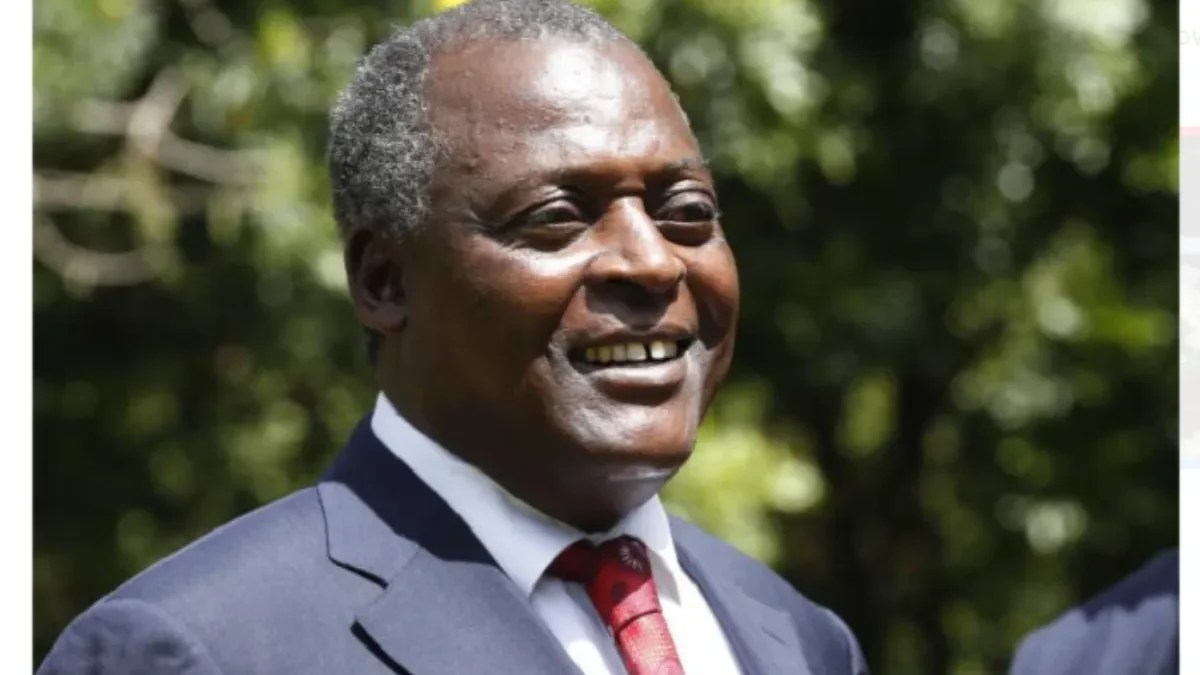
Former Lugari MP Cyrus Jirongo died in a road accident on December 13, 2025, along the Nairobi-Nakuru highway near Naivasha. He was 64. The crash happened around 3 a.m. when his Mercedes-Benz collided head-on with a passenger bus. Police said it looked like an accident, maybe from poor visibility or the wrong lane. An autopsy showed blunt force trauma as the cause.
Questions came up fast. Some leaders and family friends said Jirongo had worried about his safety before. Martha Karua mentioned he was planning better security. Others wondered why he was on that road so late. He had met National Assembly Speaker Moses Wetang’ula in Karen that evening.
A requiem mass took place on December 27 at CITAM Valley Road in Nairobi. Many politicians attended, including Wetang’ula, former CS Moses Kuria, Trans Nzoia Governor George Natembeya, and Eugene Wamalwa. Tributes focused on Jirongo’s long career, from the YK92 days in the 1990s to his time as MP.
Talk turned to the burial and traditions. Jirongo came from the Tiriki sub-community of the Luhya. In Tiriki customs, for unclear deaths, people sometimes place a lit torch in the casket or on the grave. Belief says the flame points to anyone involved. When it goes out, that person faces trouble.
Natembeya first suggested this earlier in December. He said elders should use the rite to find truth if needed. At the mass, Kuria offered to buy the torch himself. He called it a way to push for answers without accusing anyone yet.
Wetang’ula spoke against turning the funeral political. He asked for calm and respect for the family. “Let formal probes handle questions,” he said.
The family plans a private burial on December 30 at Jirongo’s home in Lumakanda, Kakamega County. They turned down a state funeral. Funeral committee chair Fred Gumo said on December 28 that the family will follow their own ways. He pushed back on some elder demands about rites.
The body arrived in Kitale on December 28 before heading to Lumakanda. DCI head Mohamed Amin said no foul play so far, but investigations continue.
This debate mixes culture, grief, and politics. Many in western Kenya follow such traditions closely. Others want facts from police first. Jirongo leaves a big family and a long legacy in business and politics.
Related Posts

Chirchir, Private Donors Transform Kipketii School Into Modern Hub
Roads chief Davis Chirchir handed over the upgraded Kipketii school in Bomet County to excited students and leaders this week. Private groups poured funds into…
Kiraitu Murungi: Ruto Has Never Lost an Election
Veteran politician Kiraitu Murungi praised President William Ruto as undefeated in every vote he contested during a funeral service this week. The remarks came at…
Coast Panic Grows Genital Theft Hoax Sparks Deadly Attacks
Fear grips streets across Mombasa and nearby counties as residents chase strangers over wild genital theft rumours. Officials now sound the alarm on this hoax…
Voters Flooded With Gifts: Shoes, Mattresses, Gas, Boats, Cash Ahead Of Ol…
Residents in Ol Kalou grab shoes, mattresses, boats and gas cylinders as politicians pour resources into the constituency to win votes. The Ol Kalou by-election…