
KISCOL Wins Landmark Court Victory, Secures Ksh.24 Billion Compensation For Government Breach
 Charo Rama — December 20, 2025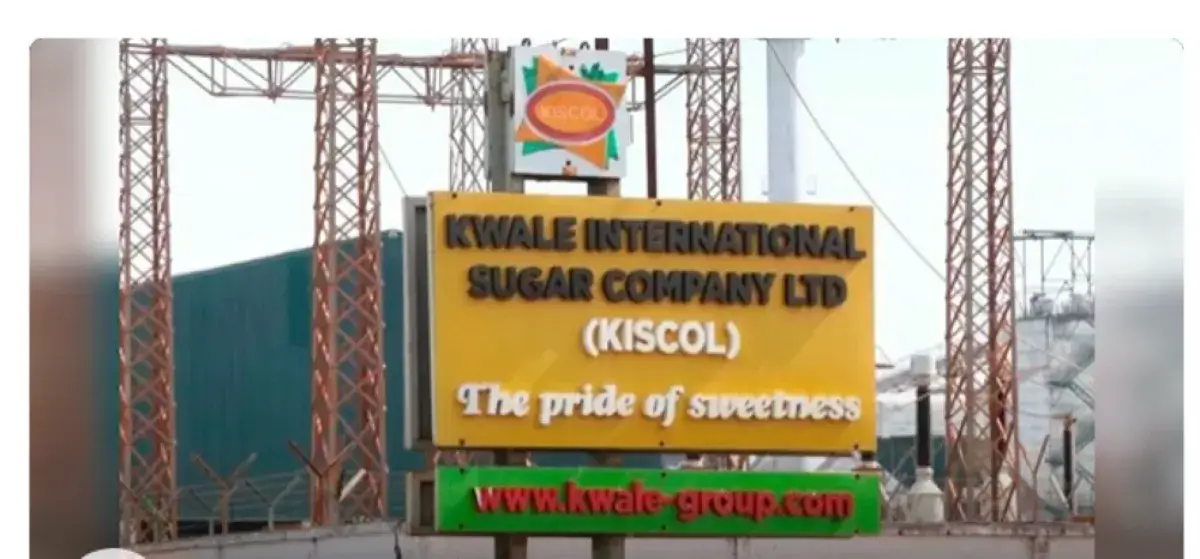
In a historic ruling, the High Court in Mombasa has ordered the Kenyan government to pay approximately Ksh.24 billion ($186 million) to Kwale International Sugar Company Limited (KISCOL), affirming the company’s rights and holding the State accountable for its breaches that derailed a vital agricultural project in the coastal region.
Justice Florence Wangari’s verdict, delivered last week, marks one of the most significant financial judgements against the government in recent Kenyan history, setting a powerful precedent for upholding investor rights and contractual obligations.
The court’s decision underscores the government’s failure to fulfil critical commitments under a 2007 agreement, which was instrumental in the development of the $300 million (Ksh.39 billion) sugar project—an initiative that promised to transform Kwale County’s economy and create numerous jobs.
KISCOL, a joint venture between Mauritian multinational Omnicane Limited and Kenya’s Pabari Group, had leased 15,000 acres for a large-scale sugar plantation and milling complex. The project was designed to boost local agriculture, generate employment, and foster economic growth in the region.
Central to the agreement was the government’s assurance of “quiet and peaceful possession” of the land. However, the court found that the State’s failure to address land conflicts involving local communities, who claimed ancestral ownership, and its unilateral excision of 2,500 acres for a separate mining project severely undermined KISCOL’s operations.
Despite winning court rulings affirming its land rights, the government’s inability or unwillingness to remove squatters or provide alternative land options left nearly half of the leased land inaccessible—an obstacle that ultimately crippled the project’s progress.
Justice Wangari emphasised that what started as administrative negligence evolved into a full-blown crisis, preventing KISCOL from planting sugarcane or constructing necessary facilities and forcing the company into costly debt restructuring.
KISCOL’s legal team welcomed the ruling, viewing it as a victory not only for the company but also for all investors seeking to do business in Kenya. Benson Musili, the company’s legal adviser, stated, “This is a monumental victory for the principle that governments must honour their commitments. It affirms that Kenya’s courts will stand firm in defending contractual integrity, even against the state.”
The court’s decision affirms KISCOL’s perseverance through a 13-year legal battle, during which the company endured significant financial and operational challenges. The ruling sends a clear message that Kenya’s judiciary is committed to protecting investor rights and ensuring accountability.
While the government has 14 days to comply with the order, KISCOL remains optimistic that this landmark judgement will pave the way for renewed confidence in Kenya’s investment climate and encourage future infrastructure projects that contribute to national development.
Related Posts

Lumumba Vea Signs Rexona Deal at 2026 World Cup
Congolese superfan Lumumba Vea signs Rexona deals with the 2026 World Cup in Mexico after his motionless tribute pose captured global attention. The passionate supporter…

Doky Dorcas Sets New Guinness Record for Fastest Chapatis
Doky Dorcas claimed the title for the fastest chapatis when she whipped up three fresh ones in record time at Ongata Rongai on December 15,…

Ruto Fires Back at Gideon Moi Accusing Him of SG Media Headlines…
President William Ruto hit out sharply at Gideon Moi and Standard Media over what he calls daily extortion through headlines. The strong social media post…

Banking for Business Growth – Don’t Miss This Masterclass By Co-op Bank
Starting and growing a business comes with many opportunities, but it also requires the right financial support to succeed.Join us this Friday as we explore…