
Kisumu Senator Tom Ojienda Backs 2027 Referendum to Allow Ruto to Rule Forever
 Adhis Okena — December 27, 2025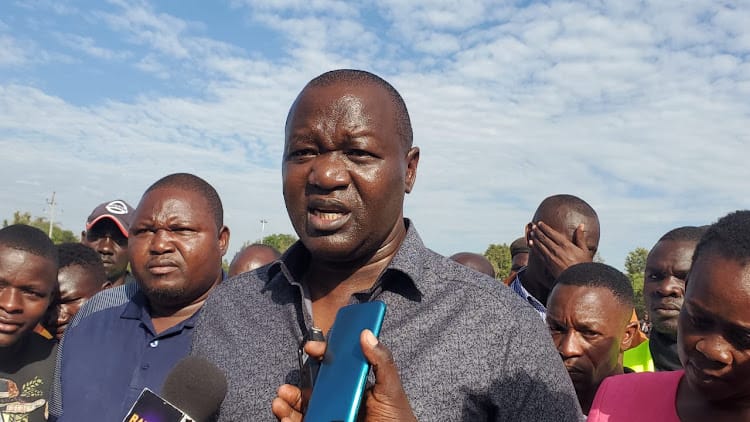
Talks about a possible constitutional referendum in Kenya are picking up again as the 2027 general election gets closer. Prime Cabinet Secretary Musalia Mudavadi recently suggested holding one alongside the polls to fix some long-standing issues in the 2010 Constitution. Kisumu Senator Tom Ojienda has spoken positively about the idea, though he has not tied it directly to big changes like removing presidential term limits.
Mudavadi brought this up just a few days ago. He said the country could use the 2027 vote to ask Kenyans clear questions on amendments. Things like boundary reviews, making certain government roles official, and protecting funds for local development could be on the table.
The Independent Electoral and Boundaries Commission has faced delays in redrawing constituencies because of problems with the 2019 census data. Courts threw out figures from some northern counties, and that has created legal risks for the next election.
Ojienda, who represents Kisumu County in the Senate, has been vocal about politics lately. He comes from the Orange Democratic Movement party, but he often supports working across party lines with President William Ruto’s government.
In interviews over the past year, Ojienda has predicted that ODM leaders, including Raila Odinga, might back Ruto for a second term in 2027. He points to the cooperation between ODM and Ruto’s United Democratic Alliance, like shared cabinet posts and joint committees.
On the referendum, Ojienda has not made a big public statement yet that links it to allowing Ruto more terms. Claims online that he wants to remove the two-term limit for the president so Ruto can “rule forever” do not match what he has said in reports.
Kenya’s constitution clearly limits presidents to two five-year terms, and changing that would need strong support plus a referendum. Past attempts to touch term limits have faced quick backlash and failed.
Still, Ojienda seems open to constitutional talks. He has stressed the need for inclusive government and better representation for regions like Nyanza. Some see the referendum push as a way to formalise positions like prime minister or official opposition leader, based on earlier dialogue reports between Ruto and Odinga. Ojienda has backed similar ideas in the past, saying they could help unite the country.
Not everyone likes the referendum plan. Some politicians and online commenters worry it could be used for personal gain or delay focus on daily problems like jobs and high costs. Others say it is necessary to avoid court challenges that might disrupt the 2027 vote.
As of now, no official bill for a 2027 referendum has moved forward. Mudavadi wants discussions to start in 2026 so questions are ready and fair. Ojienda continues to push for cooperation in government, but he has stuck to supporting Ruto’s current term, not beyond.
Related Posts
After Claims 2024 Gen Z Were From Illuminati, MP Kagombe Quits UDA
Gatundu South lawmaker Gabriel Kagombe walks away from the United Democratic Alliance this week as he eyes a fresh vehicle in Kenya’s mountain region. The…
Bumula MP Wamboka Criticizes Wetangula’s Uhuru Exit Call
Bumula MP Jack Wamboka yesterday rejected Speaker Moses Wetangula demands that former president Uhuru Kenyatta leave active politics. The lawmaker spoke in Bungoma County and…
New Emurua Dikirr MP David Keter Outrage After Demeaning Woman
Recently elected Emurua Dikirr MP David Keter sparked fierce public anger across Kenya when he publicly told a woman seeking assistance to sit down and…
Kenyans Drink More Soda as Mbadi Claims Ruto Economy Success
Treasury Cabinet Secretary John Mbadi told a gathering in Kenya on Tuesday, 11 August 2026, that rising soda intake proves citizens now hold extra cash…