
Nelson Amenya Leaked U.S-Kenya Health Deal Sparks Concerns

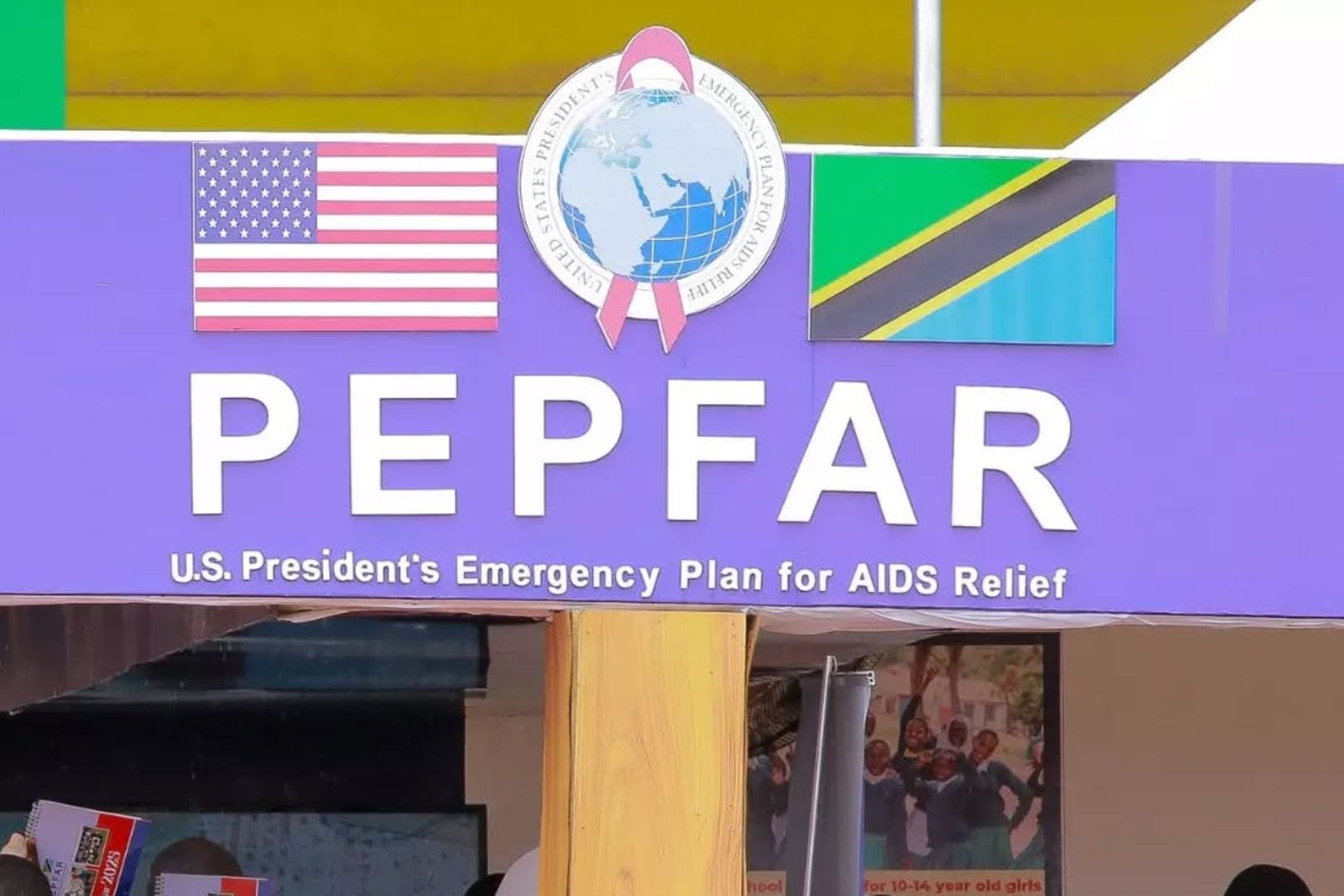
The leaked U.S.-Kenya health deal has ignited intense privacy fears among Kenyan health experts and civil society groups, as it mandates rapid sharing of pathogen genetic sequences under the renewal of PEPFAR, the U.S. aid programme injecting about Sh25 billion annually into HIV prevention and treatment efforts. Revealed through a confidential Memorandum of Understanding template obtained by global health watchdogs and Adani whistleblower Nelson Amenya, the agreement requires Kenyan authorities to transmit genetic data and physical specimens to American counterparts within five days of a U.S. request.
This move, aimed at bolstering global surveillance against emerging threats, could funnel the information to U.S. pharmaceutical giants for vaccine and drug development, with Kenya potentially gaining priority access to resulting products at prevailing American prices.
As President William Ruto jetted off to Washington on December 3 for high-level talks with U.S. officials, the controversy showed a precarious tightrope between life-saving aid and national data sovereignty.
PEPFAR, launched in 2003 under President George W. Bush, has transformed Kenya’s fight against HIV/AIDS, supporting over 1.2 million people on antiretroviral therapy and preventing an estimated 2 million new infections since inception.
The program’s renewal templates, part of a broader U.S. strategy to restructure global health funding amid the dissolution of USAID functions, extend beyond HIV to encompass tuberculosis, malaria, and other pathogens with pandemic potential.
According to the leaked document, recipient nations must commit to a 25-year specimen sharing pact, including detailed genomic sequencing of disease agents detected in local labs. U.S. envoys, including State Department health adviser Brad Smith, have framed this as essential for rapid countermeasure development, citing the need for real-time data to craft vaccines during outbreaks like COVID-19.

Critics, however, decry the terms as profoundly lopsided. Nairobi-based privacy expert and constitutional lawyer, lambasted the deal, arguing it contravenes Article 31 of Kenya’s 2010 Constitution, which safeguards personal data privacy, and flouts the Data Protection Act of 2019.
“This isn’t partnership; it’s extraction,” Laibuta told reporters outside Parliament. “Kenyan patients’ biological secrets could end up patented abroad, denying our scientists access while enriching Big Pharma. Where’s the reciprocity? The U.S. won’t even guarantee product access for us.” His concerns echo broader African Union calls for equitable data governance, with similar pushback from Eswatini and Uganda over PEPFAR’s evolving strings.
“In return for data, we negotiate technology transfers and joint research hubs. This deal accelerates our genomic surveillance capacity, letting us detect variants faster than ever,” an MoH official whispered on the sideline. Yet insiders whisper of internal rifts: the Kenya Medical Research Institute has quietly flagged the risks of data weaponisation, recalling how genomic leaks fuel discrimination in Western insurance markets.
The timing could not be more charged. Ruto’s Washington itinerary, his first since the U.S. election, includes bilateral meetings with Secretary of State Marco Antonio Rubio and PEPFAR coordinator Ambassador-at-Large Dr John Nkengasong, now advising on the program’s overhaul. Agenda items reportedly cover not just health but trade under AGOA and counter-terrorism pacts.
Broader implications ripple across East Africa. The U.S. template, if adopted regionally, could standardise data flows to Washington, complicating WHO-led pathogen access talks stalled since 2021. A Center for Global Development report from October warned that such opacity erodes trust, especially after PEPFAR’s 2025 funding freeze under the Trump administration disrupted supplies for 2.3 million beneficiaries.
As negotiations unfold in fog-shrouded Foggy Bottom, the leaked U.S.-Kenya health deal crystallises a pivotal dilemma: can Kenya afford to withhold data and risk aid cuts, or must it trade genetic gold for survival? Ruto’s delegation carries the weight of 52 million citizens, their health futures tethered to this opaque bargain.
For now, the scales tip toward caution, with calls growing for an independent audit of all bilateral health pacts. In the labs of Kisumu and the clinics of Kibera, the human cost hangs in the balance, a stark reminder that in global health, privacy is the ultimate currency.
Related Posts

Ruto: Sifuna ni fala anataka tusimamishe mradi wa Affordable Housing
President William Ruto stood before crowds in Eldoret, Uasin Gishu County, on Thursday, August 13, 2026, and branded Nairobi Senator Edwin Sifuna a fool for…

CO-OP BANK REPORTS A STRONG 17.3 PERCENT GROWTH IN PROFIT TO KSH…
Co-op Bank has posted a strong profit before tax of KSh 23.1 billion for the half year ended 30 June 2026, compared to KSh 19.7…
Ruto Demands Mandatory New Constitution for Vision 2060 Reforms
Kenyan President William Ruto told a national audience this week that the 2010 Constitution forces leaders to seek the people’s approval on major changes rather…
After Claims 2024 Gen Z Were From Illuminati, MP Kagombe Quits UDA
Gatundu South lawmaker Gabriel Kagombe walks away from the United Democratic Alliance this week as he eyes a fresh vehicle in Kenya’s mountain region. The…