
Over 40 Tonnes of Gold! Kenya Exports to UAE Surge 26% to Sh43bn

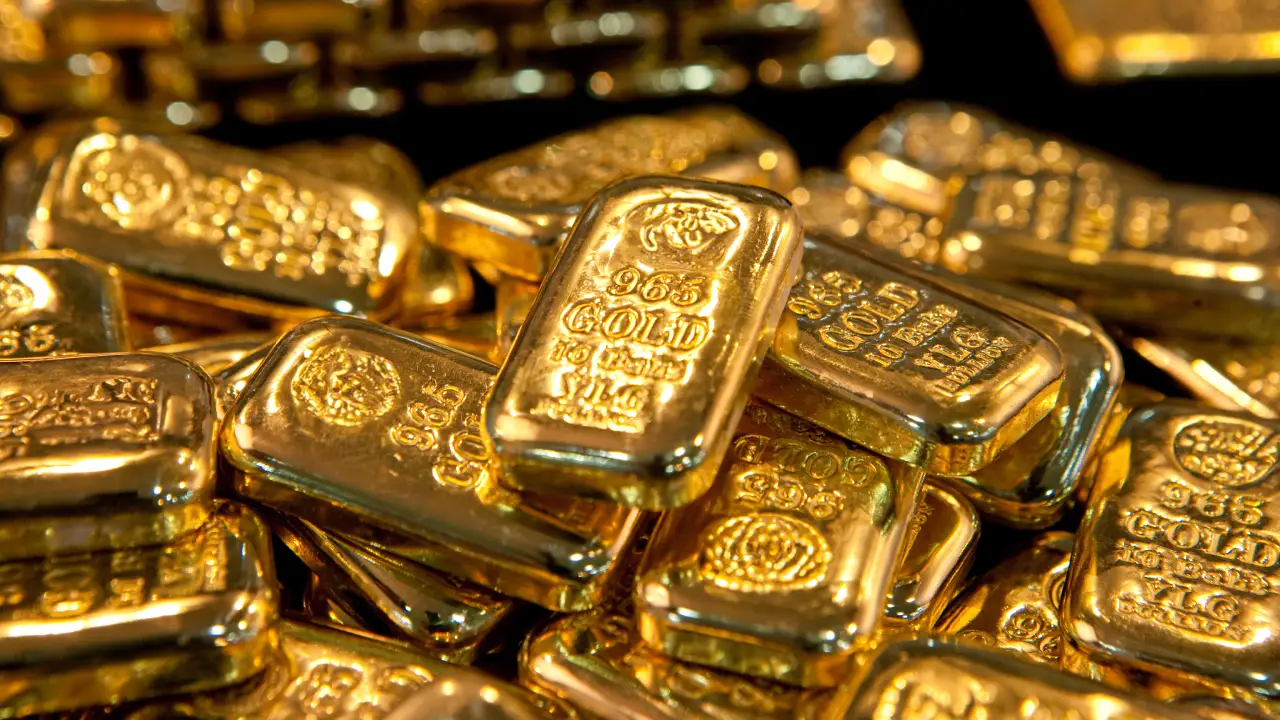
In the first nine months of 2025, Kenya’s exports to the UAE increased by 26% to Sh43 billion, with gold shipments emerging as the undisputed champion of the trade basket. Data released by the Kenya National Bureau of Statistics on Wednesday shows the precious metal accounted for nearly 68 percent of total sales to the Emirates between January and September, confirming Dubai’s position as the preferred re-export hub for Kenyan gold mined across East and Central Africa.
The sharp rise has pushed the UAE past Uganda and India to become Kenya’s third-largest export market this year, behind only the Netherlands and Pakistan. Central Bank of Kenya figures reveal that gold exports hit 42.1 tonnes in the review period, more than triple the 13.8 tonnes recorded in the same window of 2024.
Industry players attribute the boom to streamlined licensing under the Mining Act 2016 amendments, improved security escorts for high-value cargo at Jomo Kenyatta International Airport, and aggressive marketing by the State Department for Mining.
Most of the yellow metal originates from artisanal sites in western Kenya, migratory miners in northern Tanzania, and licensed operations in South Sudan and DR Congo before being flown to Nairobi for refining and export certification.
The Trade Cabinet Secretary disclosed that monthly gold shipments to Dubai now average 5.5 tonnes, up from barely 1.2 tonnes two years ago.
“We are finally turning stones into foreign exchange at scale,” the CS said, adding that the ministry targets Sh80 billion in total mineral exports by December 2026. Officials also highlighted secondary gains: Kenya Revenue Authority collections from gold export levies rose to Sh4.7 billion in the period, while hundreds of direct jobs have been created at the new African Gold Refinery in JKIA’s cargo zone.
The surge has not been without controversy. Civil society groups and opposition lawmakers continue to question the opacity surrounding the actual origin of some consignments. Senator Okiya Omtatah filed a petition in the High Court last month demanding full disclosure of beneficiation records, arguing that Kenya risks becoming a laundering conduit for conflict gold.
The Law Society of Kenya echoed the concern, pointing to weak chain-of-custody mechanisms in neighbouring countries. In response, the Mining Ministry announced plans to roll out blockchain-based traceability software by March 2026 in partnership with Dubai Multi Commodities Centre (DMCC).
Beyond gold, traditional Kenyan exports to the UAE also registered modest growth. Tea sales climbed 11 percent to Sh6.8 billion on the back of premium orthodox varieties popular in Middle Eastern markets, while cut flowers and fresh produce added another Sh4.2 billion. Horticulture exporters credit the daily Emirates and Etihad wide-body flights for reliable cold-chain logistics. Meanwhile, re-exports of Kenyan-branded mobile phones and pharmaceuticals through Jebel Ali Free Zone have started gaining traction, with industry insiders forecasting a doubling of non-mineral exports by 2028.
Bilateral trade talks scheduled for early 2026 in Abu Dhabi are expected to focus on eliminating double taxation on gold transactions and establishing a permanent Kenyan trade office in Dubai Gold Souk. UAE Ambassador to Kenya, H.E. Dr Salim Alnaqbi, told journalists the two nations are exploring a dedicated “Gold Express” cargo corridor that would cut transit time from Nairobi to Dubai to under six hours.
Economists say the windfall arrives at a critical moment for Kenya’s balance of payments. With foreign reserves hovering near the five-month import cover mark, the Sh43 billion injection from the UAE route has helped narrow the current account deficit by an estimated 0.8 percentage points. Ratings agency Moody’s cited the export diversification in its latest review, maintaining Kenya’s B3 outlook as stable.
As refineries in Nairobi work round the clock and small-scale miners in Migori and Kakamega see their first real profits in years, one fact stands clear: Kenya’s exports to the UAE in 2025 are no longer just about tea and flowers. Gold has taken centre stage, and the spotlight shows no sign of dimming.
Related Posts

CO-OP BANK REPORTS A STRONG 17.3 PERCENT GROWTH IN PROFIT TO KSH…
Co-op Bank has posted a strong profit before tax of KSh 23.1 billion for the half year ended 30 June 2026, compared to KSh 19.7…

Mudavadi Suffers Blow as Bank’s CEO’s Secure Court Orders
Prime Cabinet Secretary Musalia Mudavadi took a sharp hit when executives from Co-op Bank KCB and NCBA won court protection that blocks their prosecution in…

How a KSh450 Million I&M Bank Loan Swelled to KSh2.5 Billion Debt
Businessman Divyesh Indubhai Patel and his companies say they have already paid more than KSh1 billion towards a commercial loan that originally stood at KSh450…

Paul Mburu Muthumbi, Mbukinya Founder, Dies, Leaving Legacy
Paul Mburu Muthumbi built Mbukinya into one of the longest-running public service vehicle companies through sheer grit before he passed away recently. The Limuru entrepreneur…