
Esther Passaris Blames Absent Fathers for Single Mum Crisis

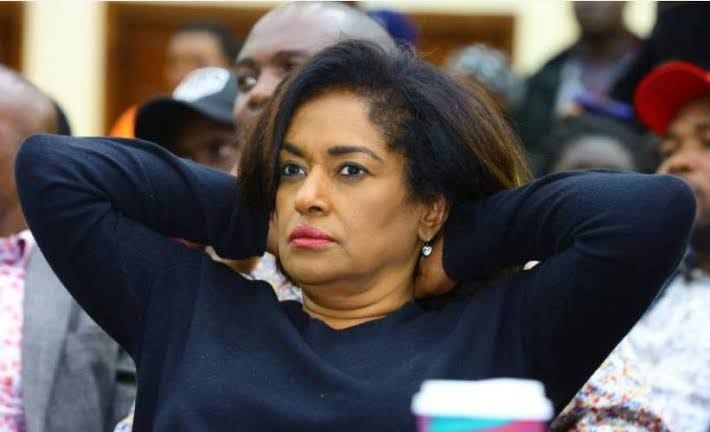
Nairobi Woman Representative Esther Passaris has sparked nationwide conversation after declaring that Kenya now faces an epidemic of single mothers because many men treat fatherhood as a casual sport. Speaking at a youth mentorship forum in Mathare North on Tuesday evening, the outspoken legislator said, “We have a lot of single mums. Men are planting seeds everywhere and moving on; it has become like a sport. I feel the boy child is no longer guided by the father.”
Her blunt remarks, captured on video and shared widely across TikTok and WhatsApp groups, have already surpassed two million views in under 48 hours and reignited the long-simmering debate on responsible fatherhood in modern Kenya.
Passaris, addressing over 400 young women and teenage mothers at the event organised by Her Empire Foundation, painted a grim picture of broken family structures. She cited recent Kenya Demographic and Health Survey figures showing that 38 percent of children in Nairobi County now grow up without their biological fathers present in the household, a sharp rise from 29 percent recorded in 2014.
“When fathers disappear after conception, the burden falls entirely on mothers and grandmothers. These girls drop out of school and struggle to feed the babies, and the cycle of poverty continues,” she told the attentive crowd. The Woman Rep linked the trend directly to what she called the “lost guidance” of the boy child, saying many young men grow up without male role models who teach accountability and commitment.
The forum heard heartbreaking testimonies from teenage mothers as young as 16 who spoke of being abandoned immediately after pregnancy was confirmed. One Form Three dropout from Huruma tearfully recounted how her boyfriend blocked her number the day she sent a photo of the positive pregnancy test.
Passaris used the stories to underline her call for deliberate mentorship programmes targeting boys from Standard Six upwards. “We keep empowering the girl child, which is good, but if we don’t fix the boy child, he will keep breaking the girl we empowered,” she argued, earning loud applause from the mostly female audience.
Data from the National Council for Population and Development backs Passaris’s concerns. In 2024 alone, over 18,000 teenage girls aged 15 to 19 became pregnant, with less than 12 per cent of the fathers providing consistent financial support, according to a survey by the African Population and Health Research Centre.
Child maintenance cases filed at Nairobi’s Children Courts have also doubled since 2020, clogging magistrates’ dockets with thousands of absentee father disputes.
Passaris announced plans to table the Responsible Fatherhood Bill early next year, proposing automatic salary deductions for proven fathers who default on upkeep for more than three months. She also revealed talks with the Ministry of Education to introduce mandatory life-skills classes for boys focusing on relationships, parenting, and financial responsibility.
“We want every boy leaving Grade 9 to understand that fatherhood is not a trophy you collect and walk away from,” she said. Whether her tough love approach will translate into policy change remains to be seen, but one thing is clear: Esther Passaris has forced Kenya to confront the uncomfortable truth that behind every struggling single mum stands a man who chose to walk away.
Related Posts

Ruto: Sifuna ni fala anataka tusimamishe mradi wa Affordable Housing
President William Ruto stood before crowds in Eldoret, Uasin Gishu County, on Thursday, August 13, 2026, and branded Nairobi Senator Edwin Sifuna a fool for…

CO-OP BANK REPORTS A STRONG 17.3 PERCENT GROWTH IN PROFIT TO KSH…
Co-op Bank has posted a strong profit before tax of KSh 23.1 billion for the half year ended 30 June 2026, compared to KSh 19.7…
Ruto Demands Mandatory New Constitution for Vision 2060 Reforms
Kenyan President William Ruto told a national audience this week that the 2010 Constitution forces leaders to seek the people’s approval on major changes rather…

After Claims 2024 Gen Z Were From Illuminati, MP Kagombe Quits UDA
Gatundu South lawmaker Gabriel Kagombe walks away from the United Democratic Alliance this week as he eyes a fresh vehicle in Kenya’s mountain region. The…