
Ruto to Make Kenya’s Sh5 Trillion Infrastructure Fund a Limited Company


Kenya’s Sh5 trillion infrastructure fund limited company structure has been confirmed by the Cabinet, announcing plans to establish the ambitious initiative as a private limited liability entity rather than a traditional government department or statutory body.
President William Ruto first unveiled the fund last week as a cornerstone for raising massive capital to transform roads, railways, ports, energy grids, and digital networks, drawing comparisons to Singapore’s development model.
Cabinet secretaries clarified during a press briefing that registering it under the Companies Act will enable flexible operations, attract diverse investors, and streamline project execution away from bureaucratic delays.
The decision sparked immediate debate on ownership details, with officials stating the government will hold majority shares while opening doors for pension funds, banks, diaspora bonds, and international partners to participate.
Treasury Principal Secretary Chris Kiptoo assured that core control remains with the state through golden share provisions and board appointments, ensuring alignment with national priorities.
Critics raised governance concerns, questioning how a limited company structure guarantees transparency when public funds form the seed capital. Opposition figures demanded parliamentary oversight and public disclosure of shareholding structures to prevent elite capture or conflicts of interest. They argued past special purpose vehicles sometimes blurred lines between public interest and private gain.
Proponents countered that the model mirrors successful funds globally, allowing professional management and risk-sharing essential for projects of this scale. They highlighted the potential for higher returns on investments through commercial discipline, benefiting contributors like the National Social Security Fund and private savers.
Legal experts noted limited liability status shields directors from personal liability while imposing strict reporting under company law, supplemented by audits from the Auditor General for public interest entities. Annual general meetings and filings with the Registrar of Companies will provide additional accountability layers.
Stakeholders from the private sector welcomed the approach, viewing it as a signal of seriousness in courting long-term capital. Kenya Private Sector Alliance officials said clear rules on dividends, exits, and dispute resolution will determine investor appetite for the multi-decade commitments required.
County governments expressed hopes for equitable project distribution, seeking assurances that the fund prioritises regional balance beyond Nairobi-centric developments. Governors pushed for representation on governance bodies to influence decisions affecting local economies.
Civil society organisations called for robust anti-corruption safeguards, including public tendering for all contracts and independent performance audits. They referenced past infrastructure scandals to underline the need for ironclad mechanisms protecting taxpayer interests in such a massive undertaking.
The fund targets Sh500 billion in initial mobilisation through treasury bonds and institutional commitments, scaling up over years via revenues from completed projects and concessional loans.
Officials project it could finance flagship developments like high-speed rail links, green energy plants, and smart city expansions envisioned under the Bottom-Up Economic Transformation Agenda.
As drafting of incorporation documents begins, parliamentary committees prepare to scrutinise enabling legislation expected early next year. Lawmakers signalled intent to embed strong oversight clauses balancing operational autonomy with public accountability.
Business communities in Mombasa and Kisumu anticipate boosted trade through upgraded ports and logistics corridors, while rural areas eye improved feeder roads connecting farms to markets. Youth groups see job creation potential in construction and technology components.
The limited company structure marks a departure from conventional public financing, reflecting lessons from delays in state-managed projects. Success hinges on transparent governance that builds trust among citizens contributing through taxes and savings.
For ordinary Kenyans, the fund represents hope for tangible infrastructure improving daily life, from reliable power to faster travel. Clear ownership definitions and accountability measures will determine whether it becomes a catalyst for transformation or another cautionary tale. As details emerge, national conversation focuses on ensuring the Sh5 trillion vehicle truly serves public interest in its corporate form.
Related Posts

Ruto: Sifuna ni fala anataka tusimamishe mradi wa Affordable Housing
President William Ruto stood before crowds in Eldoret, Uasin Gishu County, on Thursday, August 13, 2026, and branded Nairobi Senator Edwin Sifuna a fool for…
CO-OP BANK REPORTS A STRONG 17.3 PERCENT GROWTH IN PROFIT TO KSH…
Co-op Bank has posted a strong profit before tax of KSh 23.1 billion for the half year ended 30 June 2026, compared to KSh 19.7…
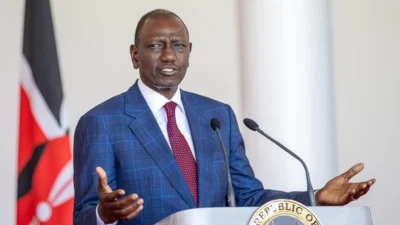
Ruto Demands Mandatory New Constitution for Vision 2060 Reforms
Kenyan President William Ruto told a national audience this week that the 2010 Constitution forces leaders to seek the people’s approval on major changes rather…
After Claims 2024 Gen Z Were From Illuminati, MP Kagombe Quits UDA
Gatundu South lawmaker Gabriel Kagombe walks away from the United Democratic Alliance this week as he eyes a fresh vehicle in Kenya’s mountain region. The…