
Somalis Minnesota Scam: Stolen Money Funded Kenyan Politicians, Luxury Properties

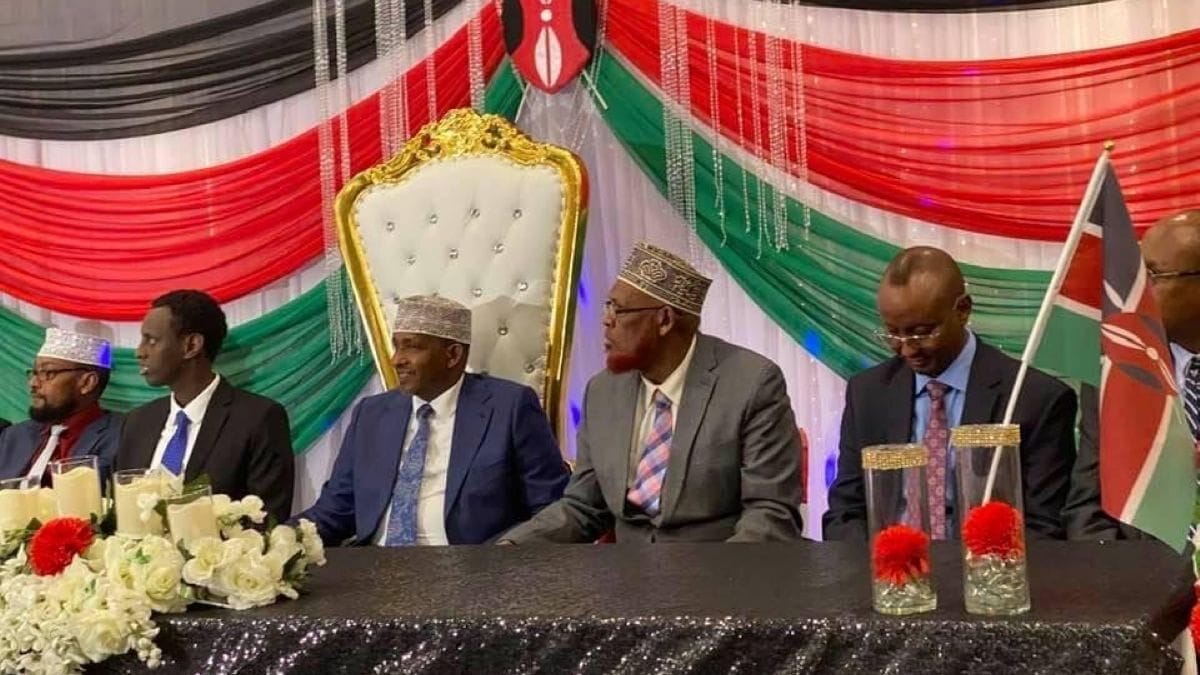
A major fraud case in Minnesota has uncovered how millions of dollars meant for feeding children during the Covid pandemic ended up buying luxury properties abroad. The scheme centred on a nonprofit called Feeding Our Future. Prosecutors say it stole around $250 million from federal child nutrition programmes.
The money came from a programme to provide meals to kids when schools closed. Rules got looser to help fast. Feeding Our Future and related groups claimed to serve millions of meals. But investigators found many sites were fake or served few, if any, real meals.
Over 70 people have been charged so far. Most have Somali backgrounds. Many live in Minnesota, home to the largest Somali community in the US. Dozens pleaded guilty or got convicted. Sentences include long prison terms.
Court records show the stolen cash went to personal spending. Luxury cars like Porsches and Mercedes. Homes in Minnesota and other states. Trips to places like the Maldives. Jewellery and more.
A big part went overseas. Documents mention transfers to Kenya, Turkey, China, and Somalia. In Kenya, funds bought apartments in Nairobi, land near the Somalia border, and beach resorts on the coast. One defendant gave up an apartment in Nairobi and part of a resort in Diani as part of a plea deal.
US authorities are trying to seize these assets. It’s not easy across borders. They work with Kenyan officials sometimes. But much money stays out of reach. Prosecutors have recovered about $60 to $70 million so far, mostly from US properties and bank accounts.

One example stands out. A man named Abdiaziz Farah got 28 years in prison. He sent millions to his brother in Kenya. The brother, Ahmednaji Sheikh, faces charges for laundering. He allegedly used the cash for real estate through fake companies and smuggled some in bulk.
Another defendant bought an aircraft in Nairobi with fraud money. Others invested in buildings or land.
No public evidence shows the money funded Kenyan politicians; however, sources reveal that political proxies benefitted, which indirectly reached the politicians. Searches through court filings and news reports turn up nothing on that. The spending looks personal or family-related. Greed drove it, prosecutors say, not politics.
The case grew bigger. It was linked to other fraud in autism services and housing aid. Total losses might reach billions across programmes.
This drew political heat. President Trump called out the scam and Somali immigrants. He ended some protections for Somalis in the US. Critics say it paints the whole community wrong. Leaders note fraud came from individuals, not the group.
Somali Americans in Minnesota number over 80,000. Many came as refugees. They run businesses and work hard. Community voices say, ‘Don’t blame everyone for a few bad actors.’
Investigations continue. The FBI and IRS dig deeper. More charges are possible. Stories like this hurt trust. Money for hungry kids is gone. Families built wealth quickly. Now courts sort it out.
Kenya ties come from diaspora links. Many Somalis have family there. Real estate draws investors. Nairobi grows fast.
As 2025 ends, trials wrap up. Assets sell off slowly. Lessons on oversight linger. The fraud shocked people. Kids needed help most. Instead, it lined pockets far away. Authorities push to get back what they can.
Related Posts
President Museveni Calls Sex Denial In Marriage Jailable Offense
Uganda President Yoweri Museveni stirred fresh controversy when he declared denying your partner sex a big offence that could land people in jail. The veteran…

Uri Geller Cancels Witch Doctor Nana Kwaku Curse on Harry Kane
Uri Geller stepped in to cancel the witch doctor’s curse on Harry Kane right before England faced Ghana in the World Cup. The Israeli-British illusionist…
Didier Deschamps Mourns Mother’s Death Ahead of Norway Game
France national team coach Didier Deschamps faces sudden heartbreak as news of his mother’s death spreads through the football world. The long-time leader will fly…
JD Vance Delivers Blunt Warning to Netanyahu Government
Vice President JD Vance issued a fierce warning to Benjamin Netanyahu’s cabinet on Thursday against undermining their crucial American partnership over President Donald Trump’s new…