
Trump Adds Tanzania to Expanded US Travel Restrictions List

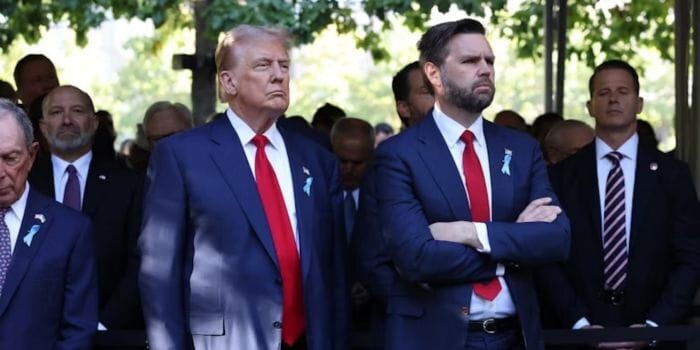
President Donald Trump signed a new proclamation on December 16, tightening US entry rules for people from several countries. Tanzania is now on the list facing partial restrictions. The move comes as part of a broader push to limit travel from nations the administration says have problems with vetting and sharing information.
The White House explained that these countries show ongoing issues in screening travellers and cooperating with US officials. For Tanzania, officials pointed to visa overstay rates. Data from the Department of Homeland Security shows Tanzanians on tourist and business visas (B-1/B-2) had an overstay rate of 8.30 per cent. For student, vocational, and exchange visas (F, M, and J categories), it was higher at 13.97 per cent.
These B-1/B-2 visas are common for short trips, like tourism or business meetings. The others cover students and people in exchange programmes. Some of those require returning home for two years after the programme ends.
Tanzania joins 14 other countries with new partial restrictions. That list includes Angola, Antigua and Barbuda, Benin, Cote d’Ivoire, Dominica, Gabon, The Gambia, Malawi, Mauritania, Nigeria, Senegal, Tonga, Zambia, and Zimbabwe. ‘Partial’ means limits on certain visas, but not a full ban.
The proclamation also adds full bans for nationals from Burkina Faso, Mali, Niger, South Sudan, and Syria. Laos and Sierra Leone moved from partial to full restrictions. People using Palestinian Authority-issued travel documents face a full ban too.
This builds on restrictions Trump put in place earlier in 2025. Back in June, he restored a version of the travel ban from his first term. The latest changes bring the total to 39 countries with either full or partial limits.
Exceptions exist. Lawful permanent residents, people with valid visas already, diplomats, and athletes can still enter in many cases. The rules also allow entry if it’s in the US national interest.
The administration says the goal is to protect national security and push other countries to improve their systems. They cite things like high overstay rates, unreliable documents, and sometimes terrorist risks in certain areas.
This expansion follows other recent immigration steps by the Trump team. Homeland Security Secretary Kristi Noem had signalled plans to grow the list earlier this month.
For travellers from Tanzania, the changes could mean tougher visa applications or denials in some categories. Many people use these visas for visits, study, or work trips. Students and tourists might feel the impact most.
The restrictions take effect soon, likely in early January. Officials reviewed reports on overstay rates and country performance before making the decision.
Tanzania’s government hasn’t commented publicly yet on the new rules. In the past, some countries have worked to get off similar lists by sharing more information.
Overall, the policy affects a wide range of nations, mostly in Africa, but also the Caribbean and Pacific. It continues Trump’s focus on stricter immigration controls.
People planning trips to the US from these countries should check with embassies for the latest details. Visa processes could take longer or face more scrutiny now.
This kind of travel restriction has been used before. The Supreme Court upheld a similar version during Trump’s first term. Supporters say it’s needed for safety. Critics argue it unfairly targets certain groups.
For now, the rules stand as another step in the administration’s immigration agenda. More changes could come if countries address the concerns raised.
Related Posts
President Museveni Calls Sex Denial In Marriage Jailable Offense
Uganda President Yoweri Museveni stirred fresh controversy when he declared denying your partner sex a big offence that could land people in jail. The veteran…

Uri Geller Cancels Witch Doctor Nana Kwaku Curse on Harry Kane
Uri Geller stepped in to cancel the witch doctor’s curse on Harry Kane right before England faced Ghana in the World Cup. The Israeli-British illusionist…
Didier Deschamps Mourns Mother’s Death Ahead of Norway Game
France national team coach Didier Deschamps faces sudden heartbreak as news of his mother’s death spreads through the football world. The long-time leader will fly…
JD Vance Delivers Blunt Warning to Netanyahu Government
Vice President JD Vance issued a fierce warning to Benjamin Netanyahu’s cabinet on Thursday against undermining their crucial American partnership over President Donald Trump’s new…