
MPs Pay Teachers’ Salaries! Cheruiyot Explains Why Not All MPs Cap School Fees Like Ndindi Nyoro

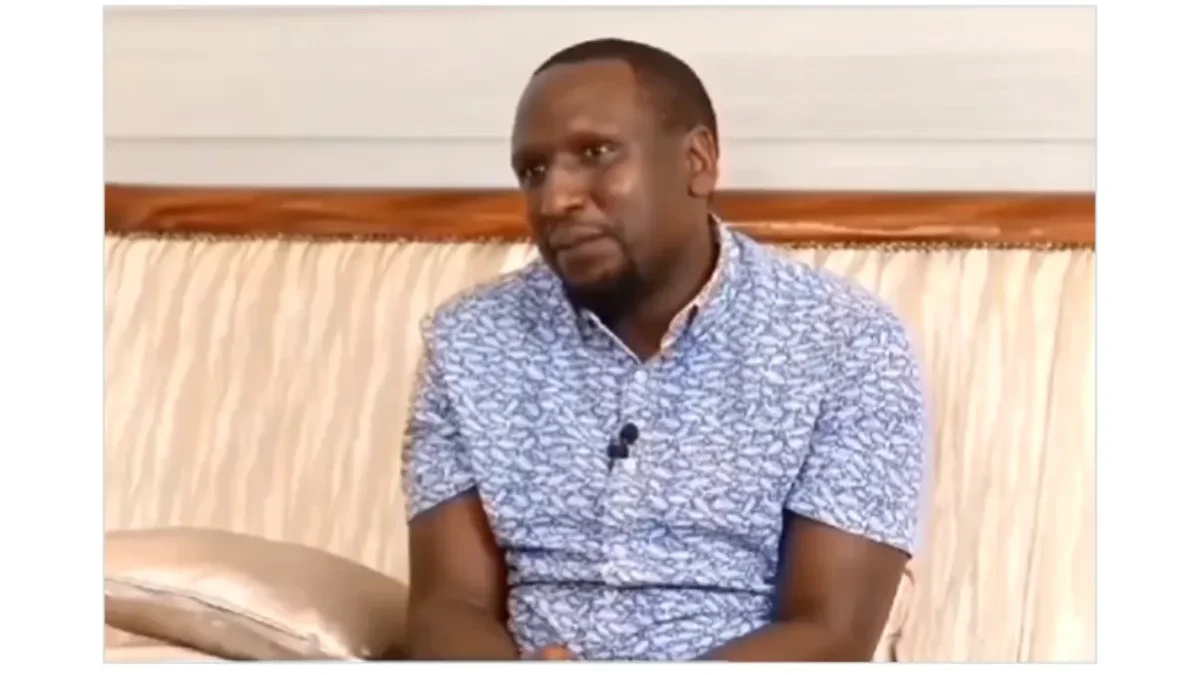
Senate Minority Leader Aaron Cheruiyot has responded to questions about why some MPs cannot match Kiharu MP Ndindi Nyoro’s move to cap day secondary school fees at KSh500 per term. During a public event in Kericho County on January 14, 2026, Cheruiyot said regions differ in needs and budgets.
He noted that many MPs use their NG-CDF allocations to pay teacher salaries in their areas, leaving less room for fee reductions like Nyoro’s in Kiharu.
The comment came after a member of the audience asked why more leaders do not follow Nyoro’s example. Nyoro launched his Masomo Bora programme for 2026 earlier this month, cutting fees from KSh1,000 to KSh500 for over 12,000 students in 65 schools. The initiative also covers meals and materials. It drew praise from parents in Murang’a County who struggle with costs.
Cheruiyot explained the differences calmly. “Regions vary,” he said. “Most of the MPs pay teachers’ salaries, so there is no room for what he did in Kiharu.” Many constituencies, especially in rural or underserved areas, face shortages of teachers in public schools. MPs step in with NG-CDF money to hire Board of Management teachers on contract. This keeps classes running but uses up funds that could go elsewhere.
Nyoro’s Kiharu has fewer such salary demands, allowing focus on fees and extras. Cheruiyot did not criticise the programme. He simply pointed out practical limits for others. The Senate leader represents Kericho, where education challenges include staffing in tea-growing zones.
The exchange highlighted ongoing talks about NG-CDF use. Each MP gets millions yearly for local projects like schools, health centres, and roads.
Priorities differ by area. Some counties have more teachers from the Teachers Service Commission. Others rely heavily on MP support. Nyoro’s move works in his context but may not fit everywhere.
Parents in Kiharu welcomed the cap. One father said it frees money for uniforms or books. Teachers noted better attendance. But in places like Kericho or Kisii, salary payments take priority to avoid empty classrooms.
No direct reply from Nyoro yet. His office shared the programme’s success online. Photos show students receiving meals. The lower fee applies to day scholars only. Boarding schools follow national guidelines.
Cheruiyot’s words avoid blame. He spoke as a fellow leader facing similar choices. The event in Kericho focused on county projects. Attendees asked about education and health. His answer fit the discussion.
Senate Minority Leader Aaron Cheruiyot
— DP 🇰🇪 (@DanChepta) January 14, 2026
Was shamelessly protecting a fellow MP after being asked:
Why was Ndindi Nyoro able to cap secondary school fees at 500 shillings per term,
While others cannot accomplish the same?
Shame on him pic.twitter.com/6T1VTQuIHu
Kenya’s secondary education mixes free day schooling with fees for extras. National capitation covers basics, but gaps remain. MPs bridge them through CDF. Nyoro’s cut stands out as direct relief. Others choose different paths.
This debate shows variety in constituency needs. No one-size-fits-all. Leaders balance demands with available funds. The Masomo Bora launch drew crowds in Kiharu. Nyoro promised monitoring. Parents hope it lasts.
Cheruiyot continues Senate duties. He often speaks on national unity and development. Education stays key for Kenya’s future. Local efforts like these help families. Differences in approach reflect real ground conditions.
Related Posts
Coast Panic Grows Genital Theft Hoax Sparks Deadly Attacks
Fear grips streets across Mombasa and nearby counties as residents chase strangers over wild genital theft rumours. Officials now sound the alarm on this hoax…
Voters Flooded With Gifts: Shoes, Mattresses, Gas, Boats, Cash Ahead Of Ol…
Residents in Ol Kalou grab shoes, mattresses, boats and gas cylinders as politicians pour resources into the constituency to win votes. The Ol Kalou by-election…

Goons Demand More Cash, Forcing CS John Mbadi Flees Kisumu
Cabinet Secretary John Mbadi escaped a tense standoff in Kisumu when goons swarmed his waiting chopper. The men demanded more money right in the middle…

Mathare Families Drag IG Kanja To Court Over Missing Men
Families from Mathare took bold action in the High Court today as they seek orders forcing Inspector General Douglas Kanja to bring their loved ones…