
Galana Kulalu Bridge in Kilifi Reaches 90% Completion

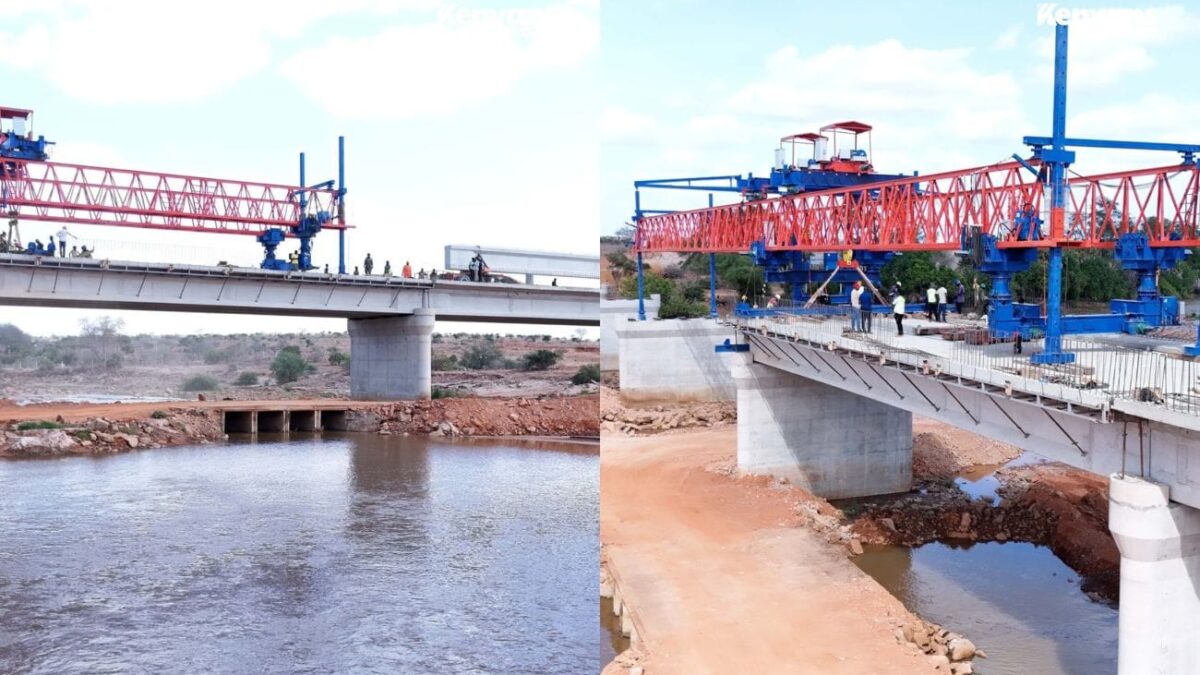
The Galana Kulalu Bridge in Kilifi now stands at 90% completion, marking a major step forward for one of Kenya’s key infrastructure projects aimed at supporting food production. This 200-metre structure over the Galana River connects Kilifi and Tana River counties, opening easier access to vast farming lands tied to the national food security push.
Interior Principal Secretary Raymond Omollo shared the latest update this week, highlighting how close the bridge is to finishing. Workers are focused on the deck right now, with around 120 people on site pushing through the final stages.
The KSh1.493 billion project, handled by the Kenya Rural Roads Authority, started gaining real momentum last year. Once done, it will link directly into the Malindi-Sala Gate Road and make moving goods from the Galana Kulalu irrigation scheme much smoother.
This bridge matters a lot for local farmers. For years, getting crops out of the area meant long detours or risky river crossings during rains. Poor roads held back what could be prime agricultural land.
Now, with better connections, trucks can roll in and out without hassle. That means fresher produce reaching markets faster and lower costs for everyone involved. The area has huge potential for maize, fruits, and other staples that Kenya imports in big quantities.
The bigger picture ties straight into the Galana Kulalu Food Security Project. Government officials want to expand irrigated land to 6,400 acres by June this year. Private partners are coming on board to help make that happen. PS Omollo has stressed how these efforts could cut the country’s food import bill by up to 40%. A well-fed nation stays more secure, he pointed out during a recent visit. The bridge fits right into that plan – no more bottlenecks holding back harvests.
Construction crews have kept a steady pace despite challenges like weather and supply issues that pop up in remote spots. Photos from the site show massive pillars rising from the river and teams pouring concrete for the deck. Safety barriers and approach roads are shaping up too. Officials expect the whole thing wrapped up in the coming months, well ahead of some earlier timelines.
People living nearby have watched the progress with growing excitement. Farmers in Kilifi and Tana River talk about planting more once transport improves. One elder in the area said it would change everything – kids could get to school easier, and markets in Malindi or even further would open up. Young people might stick around instead of heading to cities for work.
The project hasn’t been without criticism over the years. The original Galana Kulalu scheme faced setbacks with funding and planning. But this bridge shows renewed commitment. Money is flowing, workers are on the ground, and results are visible. It connects not just two counties but also ties into national goals of growing more food at home.
Road improvements like this one often spark wider growth. Shops spring up along new routes. Transport operators add more vehicles. Land values rise as accessibility improves. In Kilifi, tourism already brings visitors to the coast, but better inland links could draw more investment into agriculture.
As the deck takes shape, the finish line feels close. Drivers will soon cross without worrying about ferries or floods. For the food security project, it means equipment and seeds reach fields on time. Harvests move out quickly to tables across Kenya.
This bridge stands as solid proof that infrastructure can transform remote areas. Communities waited a long time for it. Now, with 90% done, the benefits are almost here. When vehicles start rolling across, it will mark more than an engineering win – it will signal real change for farmers and families depending on the land. Kenya keeps building toward self-reliance in food. The Galana Kulalu Bridge plays a big part in that story, one concrete pour at a time.
Related Posts

Coast Panic Grows Genital Theft Hoax Sparks Deadly Attacks
Fear grips streets across Mombasa and nearby counties as residents chase strangers over wild genital theft rumours. Officials now sound the alarm on this hoax…

Kilifi Madaraka Day Chaos Leaves Mung’aro Shaken
Kilifi Governor Gideon Mung’aro shocked crowds in Kilifi County on Sunday after panic erupted during a Madaraka Day celebration when a young man rushed toward…

Mwiki Principal Bullies Form 4 Boy Over Same Girlfriend Rivalry
A Form 4 student at Bookshine High School in Mwiki now bears deep scars on his back after relentless bullying by his own principal Titus…

Sakaja Hands Arsenal Fans KSh 50,000 After EPL Title Win
Nairobi Governor Johnson Sakaja gifts Arsenal fans KSh 50,000 and transport to Bondo after EPL title win. Read how celebrations filled CBD streets with joy…