
Ichungwah Hails Quiet Finance Bill Passage at UDA Meeting

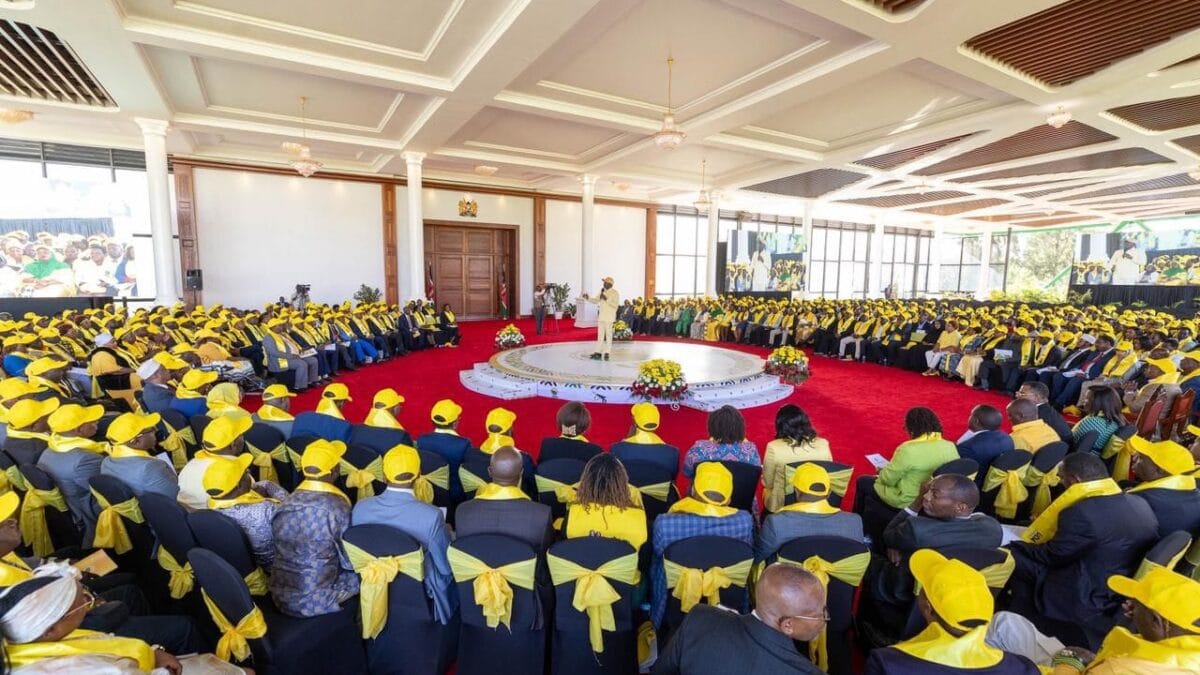
Kimani Ichungwah hailed the quiet Finance Bill passage during Sunday’s UDA National Governing Council meeting at State House, boasting that the government managed to push through all the key provisions from the controversial June 2024 bill in 2025 without the chaos that rocked Kenya the year before.
You could almost hear the sigh of relief in his voice as the Kikuyu MP addressed the room full of party bigwigs. “We eventually passed all the bills that were contained in the June 2024 finance bill in 2025 without any incidence occurring!” he declared, drawing nods and a few claps from the crowd.
It served as a poignant reminder of the significant progress made since the turbulent days of protests that left the country reeling. Back then, young Kenyans flooded the streets, engaging in clashes with police over tax hikes they believed would cripple the middle class. Lives were lost, businesses were torched, and President William Ruto had to backpedal hard, withdrawing the bill amid nationwide uproar.
Fast forward to 2025, and Ichungwah’s words paint a picture of clever manoeuvring. The government didn’t just scrap the ideas—they sliced them up into four separate pieces of legislation, slipping them through Parliament one by one.
No massive demonstrations this time, no tear gas clouds over Nairobi. Analysts say it was a masterclass in political stealth: address public concerns on the surface while getting the revenue measures in place quietly.
Things like eco-levy tweaks on plastics and higher duties on imports got the green light without much fanfare. Ruto himself assented to those bills late last year, as Ichungwah proudly noted.
The NGC at State House wasn’t just a pat-on-the-back session, though. Held bright and early on a Monday morning—January 26, 2026, to be exact—it brought together governors, MPs, and party execs to hash out the road ahead.
Ruto presided over it all, stressing unity after a rocky patch with former allies like Rigathi Gachagua. Ichungwah, as Majority Leader, used the platform to rally the troops, reminding them how the broad-based government formed after the Gen Z protests helped stabilise things. “2025 was tough for me personally,” he admitted in a side clip that’s circulating on Instagram, “but look at what we achieved.”
Critics aren’t buying the victory lap. Opposition voices like those from Azimio have called it sneaky governance, arguing that Kenyans still feel the pinch from those taxes without real relief on basics like unga or fuel.
“They divided and conquered,” one Nairobi activist told me over coffee last week, shaking his head. “But people are watching—prices haven’t dropped, and jobs are still scarce.” Even some within UDA whisper that Ichungwah’s bravado might rub folks the wrong way, especially in Mt Kenya, where Gachagua’s ousting left scars.
Remember the context? The 2024 Finance Bill sparked what became known as the “Njaa Revolution”—hungry revolution—drawing thousands of mostly young protesters who used social media to organise like never before. Hashtags like #RejectFinanceBill trended for weeks, forcing Ruto into rare concessions.
He sacked his cabinet, promised audits, and even engaged influencers to calm the storm. By 2025, the economy showed signs of rebound: inflation dipped below 5%, and foreign investment trickled back. But Ichungwah’s comments highlight a bigger shift—government learning to navigate public pushback smarter, not harder.
At the meeting, other issues bubbled up too. Talk of party primaries for 2027, strengthening grassroots structures, and countering opposition narratives. Gathoni Wamuchomba’s recent return to the fold got a mention, with Ichungwah joking about “family reunions”.
She’s been accused of flip-flopping, but her presence added to the sense of consolidation. Ruto wrapped things up with a call for discipline: “No more sideshows; we’re delivering for Kenyans.”
For everyday folks, this matters more than party politics. The quiet passage means steady revenue for projects—roads in rural areas, school feeding programmes—but at what cost? Small traders at Gikomba market say the import duties hit hard, making goods pricier. “We protested for nothing?” one mama selling second-hand clothes asked rhetorically. Yet others point to stability: no more shutdowns, businesses running smoothly.
Ichungwah’s State House moment feels like a chapter closing on a turbulent era. But with elections looming, will the calm hold? Kenya’s politics has a way of surprising you. One thing’s sure: leaders like him are betting that results, not rhetoric, will win the day. As the NGC broke for tea, the mood was upbeat—but out on the streets, conversations continued. People want progress they can feel, not just hear about in speeches.
Related Posts
Edwin Sifuna Climbs Fast in 2027 Kenya Election Poll – TIFA Polls
Nairobi Senator Edwin Sifuna climbs fast in the 2027 Kenya election poll as opposition dynamics shift sharply. Voters now give him 15 percent support for…
Ruto Clashes With Sifuna Over Rural Affordable Housing Chickens.
President William Ruto traded sharp words with Nairobi Senator Edwin Sifuna over rural housing chickens’ plans during a fresh clash that spotlights deep divisions in…
Kiraitu Murungi Boldly Predicts Ruto 2027 Presidency ‘Mpende Msipende’
Veteran politician Kiraitu Murungi stood firm as he addressed growing frustration among Meru voters toward President Ruto. He declared that despite widespread anger and vows…

Sifuna Accuses Safaricom of Blocking Linda Mwananchi PayBill ‘Orders From Above’
Nairobi Senator Edwin Sifuna raised sharp concerns after Safaricom blocked the Linda Mwananchi paybill right in the middle of its surge. The citizen effort pulled…