
Kenyan Doctors Testify to HIV Healings at Prophet David Owuor Crusade, Sparking Clash

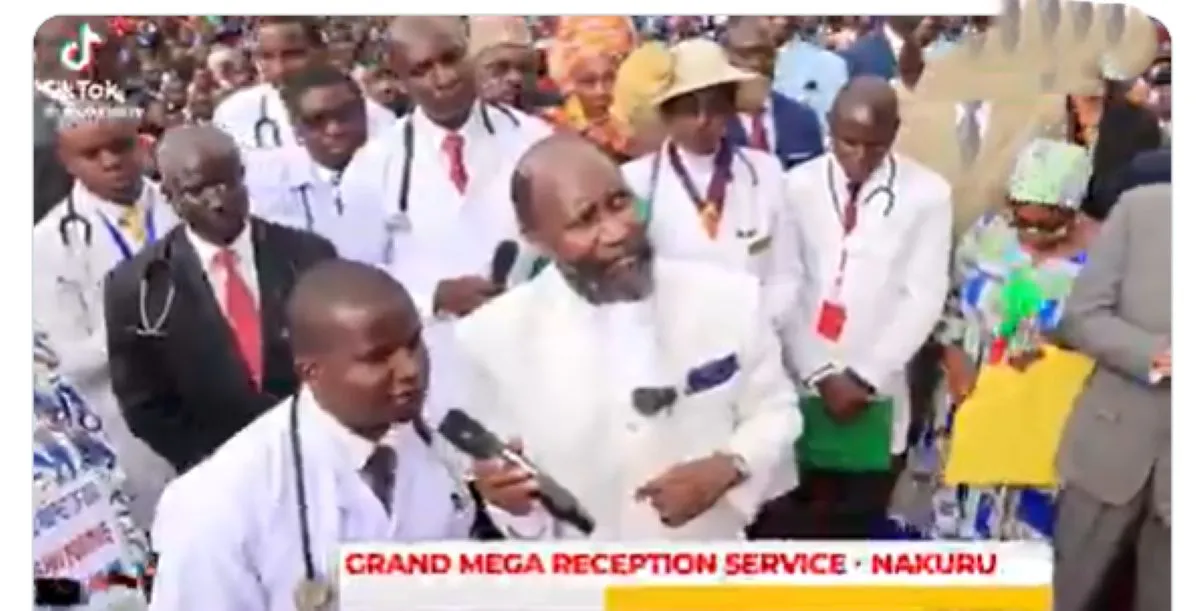
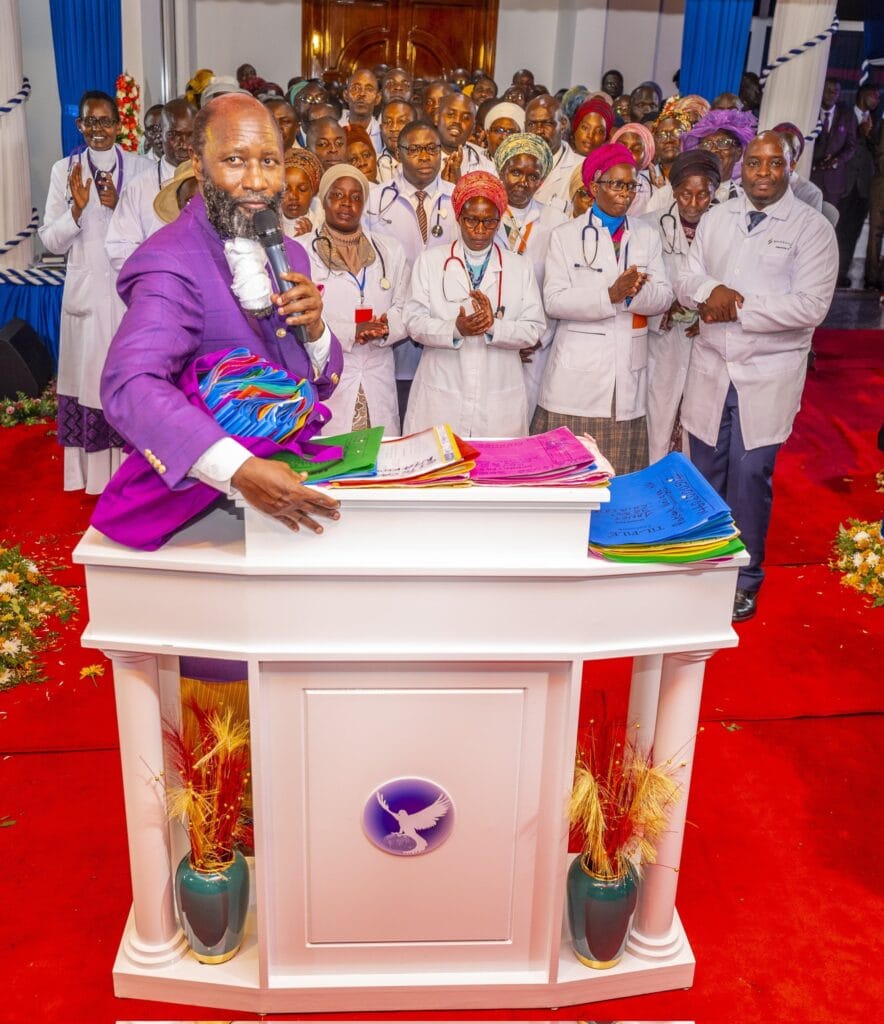
Kenyan doctors testify to HIV healings at the Owuor crusade, sparking an ethics clash. During Prophet David Owuor’s Menengai 8 event in Nakuru from late December 2025 into early January 2026, several people came forward with stories of being healed from various illnesses. Among them were claims that some HIV-positive individuals tested negative after prayers. Doctors took the stage to support these testimonies by showing medical records.
The crusade drew huge crowds to Technology Farm in Nakuru. It ran over several days around New Year’s. Owuor, head of the Repentance and Holiness Ministry, focused on repentance and healing services. Followers shared personal stories on stage.
Some women said they had been HIV-positive, but recent tests showed otherwise. They credited the change to prayer during the event or earlier meetings. One doctor, speaking at the gathering, held up documents said to confirm before-and-after results.
These kinds of claims are not new for Owuor’s ministry. Over the years, similar testimonies have come up at his large gatherings. In past events, people have spoken about turning HIV-negative after attending. Supporters point to cases like a university lecturer years ago who said tests confirmed she no longer had the virus. They argue the ministry checks records carefully before sharing stories.
Not everyone accepts these accounts. Health experts outside the ministry stress that HIV has no known cure. Antiretroviral drugs can suppress the virus to undetectable levels, which is good for health and prevents spread.
But stopping medication without medical advice can let the virus return and harm the person. Critics worry that public claims of healing might lead some to skip their pills, thinking they are cured.
In Kenya, more than 1.3 million people live with HIV based on recent estimates. Treatment coverage is high, with many on drugs that keep them healthy.
Officials work hard to get everyone tested and linked to care. False hope about cures could undo that progress. Some doctors have called for independent checks on any healing claims. They say patients should always follow proven treatment.
The Kenya Medical Practitioners and Dentists Council regulates doctors. It has rules about professional conduct. No public statement has come from them yet on these specific testimonies. In the past, when big healing claims surfaced, authorities sometimes asked for proof, like in cases of reported cures for disabilities.
At the Nakuru event, one sad note came up too. Reports said a woman died during the gathering. Sources told local media the church handled it quietly. The crusade went on as planned.
Owuor started as a scientist before turning to full-time ministry. He holds big meetings across Kenya and beyond. Thousands attend, drawn by messages of holiness and reports of miracles. Politicians and others have joined at times.
Debates like this happen often when faith and medicine cross paths. Many Kenyans hold strong religious beliefs while using modern healthcare. Churches run clinics and support HIV programmes. But lines get blurry with direct healing claims for serious conditions.
People who gave testimonies at Menengai 8 seemed convinced. They spoke about stopping drugs after new negative tests. Doctors on stage backed the records shown. Still, experts remind everyone to verify changes with ongoing checks and not act alone.
This clash highlights bigger questions in Kenya. How do faith communities and health workers cooperate? What role does evidence play in personal stories? For now, the testimonies add to ongoing talks about Owuor’s events.
As the new year begins, those living with HIV continue daily routines of care. Programmes push for testing and treatment. Stories from crusades grab attention, but steady medical support remains key for most.
The ministry has not released full details on the latest cases. Independent reviews could clarify things. Until then, advice stays the same: stick to doctor guidance on HIV management. Events like Menengai draw mixed views. Some see hope and faith. Others see risks. The discussion goes on.
Related Posts
Charlene Ruto Traditional Wedding with Husband Isaya Yunge
Tanzanian internet entrepreneur Isaya Yunge stands ready to join First Daughter Charlene Ruto in a landmark traditional ceremony this Saturday, August 8, 2026, at the…
Charlene Ruto Prepares for Dowry Koito Ceremony: Who is the Husband?
President William Ruto’s daughter Charlene Ruto steps into a major life moment as her Koito ceremony draws near at the family farm in Kilgoris this…

Arrow Bwoy Backlash On Nadia Mukami Side Chick Claim, Ntazola Questions
Arrow Bwoy stirred massive backlash after he publicly described Nadia Mukami as his former side chick during a recent interview. Critics slammed him hard for…

Popular Eldoret Sex Workers Reveal Dark Kalenjin Encounters ‘Niliekwa Missionary Kwa Matope…
A woman who lived in Eldoret for a decade opened up about terrifying nights with certain clients. Sex workers there shared raw stories of betrayal…