
Kenyan Man Buries Self in Sh9 Million Fraud Despair

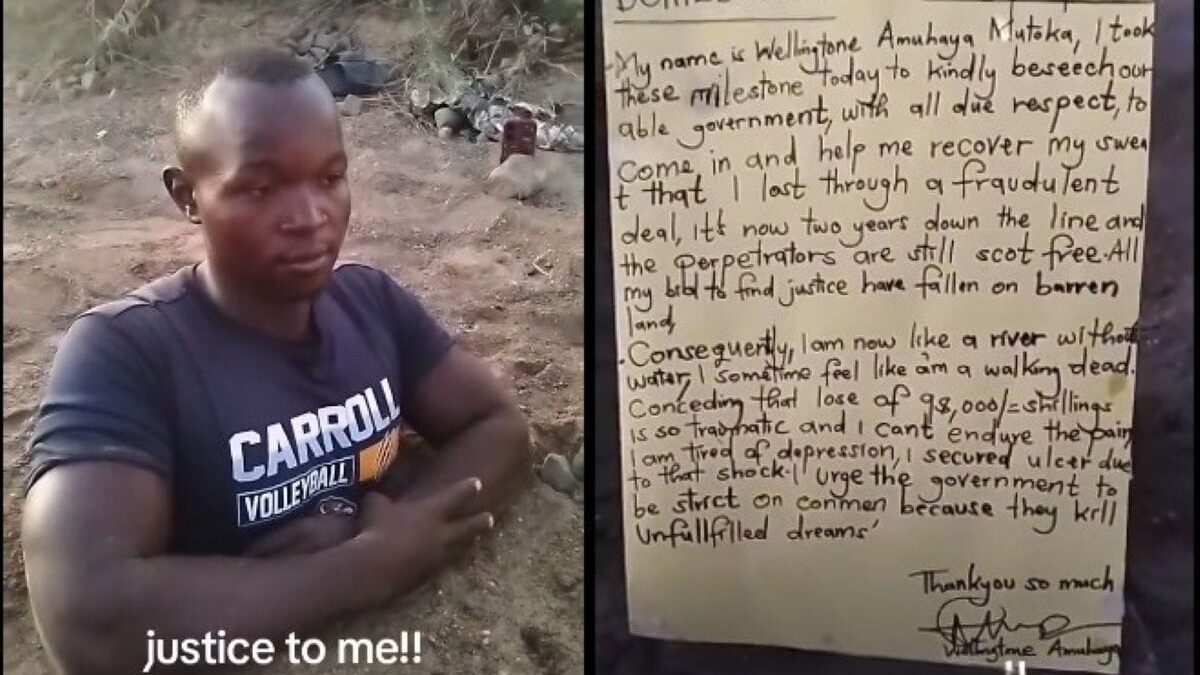
A heartbroken man in Kenya buries himself in fraudulent despair, digging a shallow grave and lying in it to beg for aid after a scam wiped out his savings two years back. Wellingtone Amuhaya, from a small town in western Kenya, says he lost nine million shillings to crooks who promised big returns on an investment deal that turned out to be fake.
The pain from that hit has pushed him into deep sadness, complete with stomach ulcers that keep him up at night, while the people behind it walk around without a worry.
It all started back in early 2024 when Amuhaya got a call from someone claiming to work for a hot new real estate firm. They talked him into handing over his life savings – money he’d scraped together from years of hard work as a teacher and side gigs farming.
The pitch was simple: put in cash now, and watch it double in months through land flips in Nairobi. He bit, wiring the funds bit by bit until it added up to nine million.
Then, radio silence. Calls went unanswered; offices he visited were empty shells. Police reports were filed, but investigations dragged on with no arrests. “I trusted them like family,” Amuhaya told me over the phone, his voice cracking. “Now, I’m left with nothing but bills and shame.”
Photos circulating on social media show him half-buried in dirt, arms outstretched like he’s reaching for help from passersby. He picked a spot near his home in Kakamega County, hoping the dramatic act would catch eyes and force action.
Neighbours gathered, some snapping pictures, others offering water or words of comfort. One local leader stopped by, promising to raise the issue with authorities, but Amuhaya isn’t holding his breath.
“Two years, and justice is still a dream,” he said. The ulcers came soon after the loss – stress eating away at him, doctors say. He can’t work like before, and his family struggles to make ends meet.
Scams like this aren’t rare in Kenya. Every day, people fall for smooth-talking fraudsters peddling quick riches through fake investments, bogus loans, or pyramid schemes. The Banking Fraud Investigations Unit reports thousands of cases yearly, with losses running into billions.
Just last month, a group in Mombasa got busted for a similar real estate con, but many slip through. Amuhaya’s story hits home because it’s so raw – a regular guy pushed to the edge. “I dug this hole to show how buried I feel,” he explained. “If I don’t speak out this way, who will listen?”
His plea has sparked some talk online. Posts on platforms like Facebook share his image, with comments calling for faster probes. One user wrote, “This could be any of us – time for real change in how we handle these thieves.”
Others share tips on spotting red flags: never pay upfront fees, check company registrations, and talk to a lawyer first. But for Amuhaya, advice comes too late. He’s calling on the Directorate of Criminal Investigations to reopen his file and track down the suspects, who he believes are still operating under new names.
Community groups have stepped in a bit. A church near his village collected donations to cover medical costs, and a lawyer offered free advice on pursuing a civil suit.
Yet, the big fix – getting his money back – seems far off. Courts are backed up, and without solid leads, cases like his often fizzle. Amuhaya worries about his kids’ future; the oldest was set for university, but now that’s on hold. “The trauma runs deep,” he added. “Nights are the worst, replaying it all.”
Authorities say they’re aware. A spokesperson from the Kakamega police station confirmed the initial report but noted challenges in cross-county frauds. “We need more evidence to move forward,” they said. Meanwhile, anti-fraud campaigns ramp up, with ads on TV warning against too-good-to-be-true deals. Experts suggest using apps to verify businesses or reporting suspicious texts right away.
Amuhaya’s act might seem extreme, but it’s a cry that’s echoing. If nothing else, it shines a light on the human cost of these crimes. As he climbs out of that hole each evening, he hopes someone in power takes notice. “Help me find peace,” he begs. For now, he’s hanging on, one day at a time, waiting for the break he deserves.
Stories like this remind us to stay sharp. If you’ve been hit by something similar, reach out – groups like the Consumer Federation of Kenya can guide you. Amuhaya’s fight isn’t over, and maybe sharing it will push things along.
Related Posts

Voters Flooded With Gifts: Shoes, Mattresses, Gas, Boats, Cash Ahead Of Ol…
Residents in Ol Kalou grab shoes, mattresses, boats and gas cylinders as politicians pour resources into the constituency to win votes. The Ol Kalou by-election…

Goons Demand More Cash, Forcing CS John Mbadi Flees Kisumu
Cabinet Secretary John Mbadi escaped a tense standoff in Kisumu when goons swarmed his waiting chopper. The men demanded more money right in the middle…

Mathare Families Drag IG Kanja To Court Over Missing Men
Families from Mathare took bold action in the High Court today as they seek orders forcing Inspector General Douglas Kanja to bring their loved ones…

Gachagua Expose Ruto’s Sh80M House Gift to IEBC Chair Ethekon
Rigathi Gachagua dropped bombshell claims today that President William Ruto purchased an expensive property worth 80 million shillings in Karen for the new IEBC chairman…