
Pastor Nganga Accuses Prophet David Owuor of Witchcraft

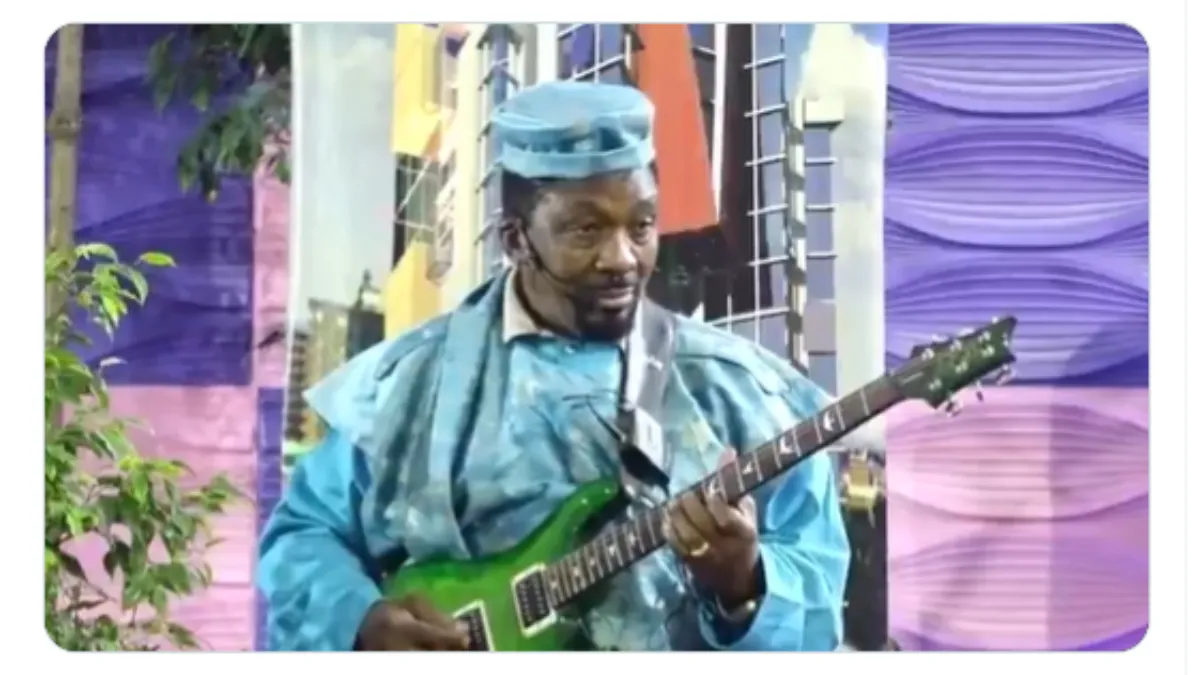
Pastor James Maina Ng’ang’a has openly criticised Prophet David Owuor, accusing him of mixing witchcraft with his miracles and faking prophetic powers. In a sermon that quickly spread online, Ng’ang’a questioned why Owuor brings doctors to his crusades and why he failed to warn Venezuelan President Nicolás Maduro about threats from the United States.
Ng’ang’a spoke during a church service, using strong words in Swahili. He said, “Owuor anaongeza uganga na chumvi kwa miujiza,” meaning Owuor adds witchcraft and exaggeration to his miracles. The pastor suggested the healings at Owuor’s events are not genuine. He asked why doctors appear onstage at crusades, implying they help stage or confirm fake claims.
The criticism ties to a recent controversy. At Owuor’s big rally in Nakuru over the New Year, some doctors spoke up about healings. They claimed to verify that cases like HIV or cancer were disappearing. That led to backlash. Health Cabinet Secretary Aden Duale ordered probes into those doctors. The Kenya Medical Practitioners and Dentists Council is looking into unverified faith-healing statements. Even the National Council of Churches distanced itself, saying people should seek medical care.
Ng’ang’a also brought up Maduro. Last year, Owuor prayed for the Venezuelan leader and prophesied victory and revival. Videos show the moment, with Owuor laying hands and speaking boldly. But early in 2026, Maduro faced serious trouble, including reports of capture or heightened US pressure. Ng’ang’a asked, “Why didn’t he tell President Maduro that the USA is coming for him if he has the power to foresee the future?”
The current dispute isn’t the first clash between preachers in Kenya. Ng’ang’a, founder of the Neno Evangelism Centre in Nairobi, often speaks bluntly. He has faced his controversies over the years but keeps a loyal following. Owuor leads the Ministry of Repentance and Holiness, holding massive events with healing testimonies. Thousands attend, dressed in white, believing in his prophecies.
Online, the sermon clip went viral fast. Comments split. Some agreed with Ng’ang’a, saying miracles need proof. Others defended Owuor, calling the attacks unfair. A few joked about pastors fighting instead of uniting.
In Kenya, faith healing draws big crowds. Many seek hope when treatment is difficult to get. But questions rise when claims face checks. Recent probes into doctors at the Nakuru event show growing scrutiny in his doubted miracles. Some churches push back, with others saying faith and medicine can work together.
Ng’ang’a’s words add to the ongoing debate about faith and science. He seems frustrated with what he sees as show over substance. His ministry focuses on upcoming events and repentance messages.
This kind of public call-out happens now and then among leaders. It grabs attention but also divides followers. Some say it hurts the church image. Others think it’s needed to call out wrongs.
For everyday Kenyans, religion plays a big part. Many follow different pastors and weigh their words. The clip keeps circulating. More reactions come in daily. Ng’ang’a continues preaching in Nairobi. Owuor plans more rallies. The controversy might fade, but questions about miracles linger. In a country with many churches, voices like Ng’ang’a’s stand out for being direct. Whether people agree or not, it gets them thinking.
Related Posts
Charlene Ruto Traditional Wedding with Husband Isaya Yunge
Tanzanian internet entrepreneur Isaya Yunge stands ready to join First Daughter Charlene Ruto in a landmark traditional ceremony this Saturday, August 8, 2026, at the…
Charlene Ruto Prepares for Dowry Koito Ceremony: Who is the Husband?
President William Ruto’s daughter Charlene Ruto steps into a major life moment as her Koito ceremony draws near at the family farm in Kilgoris this…

Arrow Bwoy Backlash On Nadia Mukami Side Chick Claim, Ntazola Questions
Arrow Bwoy stirred massive backlash after he publicly described Nadia Mukami as his former side chick during a recent interview. Critics slammed him hard for…

Popular Eldoret Sex Workers Reveal Dark Kalenjin Encounters ‘Niliekwa Missionary Kwa Matope…
A woman who lived in Eldoret for a decade opened up about terrifying nights with certain clients. Sex workers there shared raw stories of betrayal…