
Prophet Olembo Praises Owuor as a True Man and Son of God
 Adhis Okena — January 13, 2026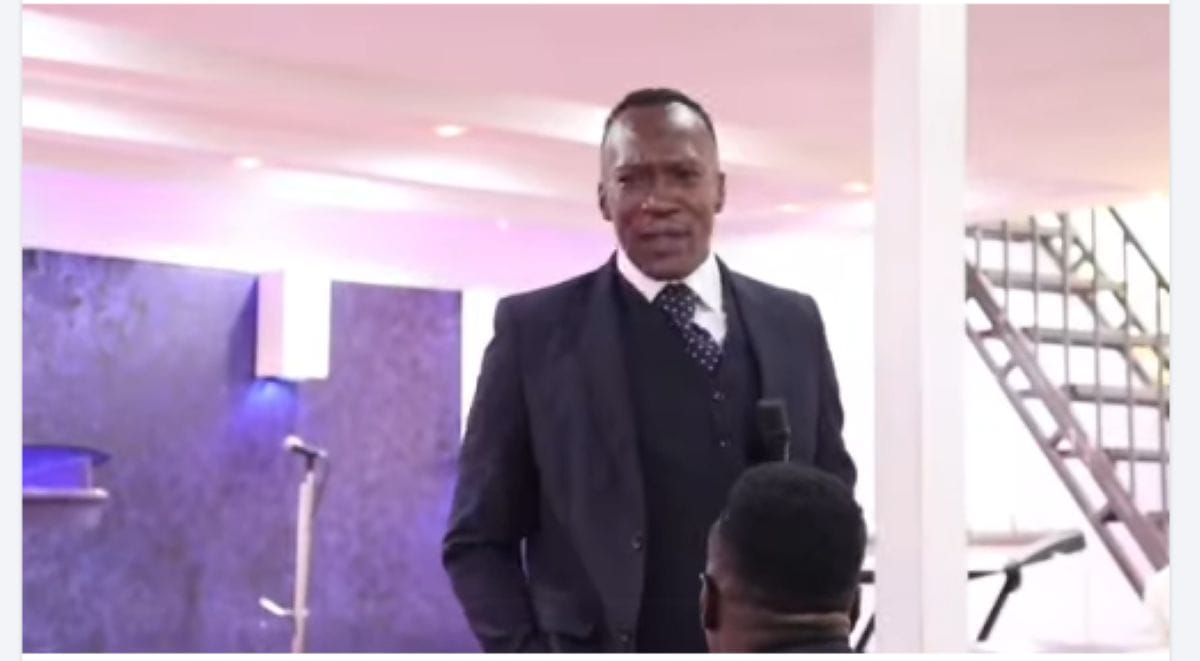
A Kenyan preacher named Prophet Habil Olembo has praised Prophet David Owuor as a true man of God who performed miracles that shocked the government. In a video shared on social media in early January 2026, Olembo said, “Prophet Owuor is a true man of God; Alipiga Miujiza Mpaka Serikali imeshtuka.”
The clip spread quickly among followers of both men, drawing mixed reactions from Kenyans online. Olembo urged people to recognise Owuor’s work and stop doubting his spiritual gifts.
The statement came during a time when Owuor faces scrutiny over his claims of healing miracles. Owuor leads the Ministry of Repentance and Holiness Church. He has held large crusades in places like Nakuru, where thousands claim to have been healed of illnesses like HIV, blindness, and paralysis.
Doctors have appeared at some events to verify cases. But government bodies like the Ministry of Health have called for investigations into these “miracles”. They want proof that no medical tricks are involved.
Olembo, a lesser-known preacher, spoke out in support. He said Owuor’s actions show divine power. “The government is shocked because the miracles are real,” he added in the video.
Olembo has his own following in Kenya’s religious circles. He often posts about faith and community issues. This praise for Owuor fits his pattern of backing controversial figures in the gospel scene.
Many Kenyans remember Owuor’s big events. In 2025, a crusade in Nakuru drew massive crowds. Videos showed people throwing away crutches and claiming sight restoration.
Supporters say these prove Owuor’s calling. Critics call them staged or unverified. The Health Ministry issued a statement last year saying faith healing claims need medical checks to avoid misleading the public.
Olembo’s words added fuel to the debate. Online comments split. Some agreed, saying Owuor brings hope to the sick. Others called it blind faith. One post said, “Miracles or magic? We need facts.”
Churches in Kenya often face questions about money and miracles. Owuor’s ministry has branches across the country and abroad. He travels in convoys and has tight security, which some see as excessive.
His team often shares testimonies on their website and radio. Past videos show him defending his work as biblical. He has prophesied events like earthquakes that followers say came true.
For everyday Kenyans, these claims matter. Many turn to preachers for healing when hospitals cost too much. Stories of miracles give hope but also risk if not real. Doctors warn against stopping medicine based on faith alone.
Olembo ended his message by calling on Kenyans to seek truth. He said Owuor’s life shows God’s power today. The video got thousands of views in days. Shares came from gospel groups on Facebook and WhatsApp.
This kind of praise keeps Owuor in the spotlight. His church grows despite questions. Events like the Nakuru crusade in 2024 drew over a million people. Claims of rain stopping or starting on command add to the lore.
Government watches closely. Past probes into churches looked at taxes and safety. Owuor’s events follow rules but draw crowds that strain local services.
Supporters like Olembo see him as a prophet for the end times. They point to healed people at meetings. Sceptics ask for independent tests.
The debate continues online. Kenyans share personal stories. Some say they saw changes at crusades. Others doubt.
Owuor stays active. Recent services in Nairobi focused on repentance. No new miracles claimed lately.
Olembo’s video reminds people of Owuor’s impact. Whether true or not, it touches many lives in Kenya. Churches play big roles here. Leaders like Owuor fill gaps in hope and community.
Related Posts
After Claims 2024 Gen Z Were From Illuminati, MP Kagombe Quits UDA
Gatundu South lawmaker Gabriel Kagombe walks away from the United Democratic Alliance this week as he eyes a fresh vehicle in Kenya’s mountain region. The…
Bumula MP Wamboka Criticizes Wetangula’s Uhuru Exit Call
Bumula MP Jack Wamboka yesterday rejected Speaker Moses Wetangula demands that former president Uhuru Kenyatta leave active politics. The lawmaker spoke in Bungoma County and…
New Emurua Dikirr MP David Keter Outrage After Demeaning Woman
Recently elected Emurua Dikirr MP David Keter sparked fierce public anger across Kenya when he publicly told a woman seeking assistance to sit down and…
Kenyans Drink More Soda as Mbadi Claims Ruto Economy Success
Treasury Cabinet Secretary John Mbadi told a gathering in Kenya on Tuesday, 11 August 2026, that rising soda intake proves citizens now hold extra cash…