
Sheikh Nurdin Kishindo Warns Muslims Against Birthday and New Year Celebrations
 Ibrahim Mohamed — January 2, 2026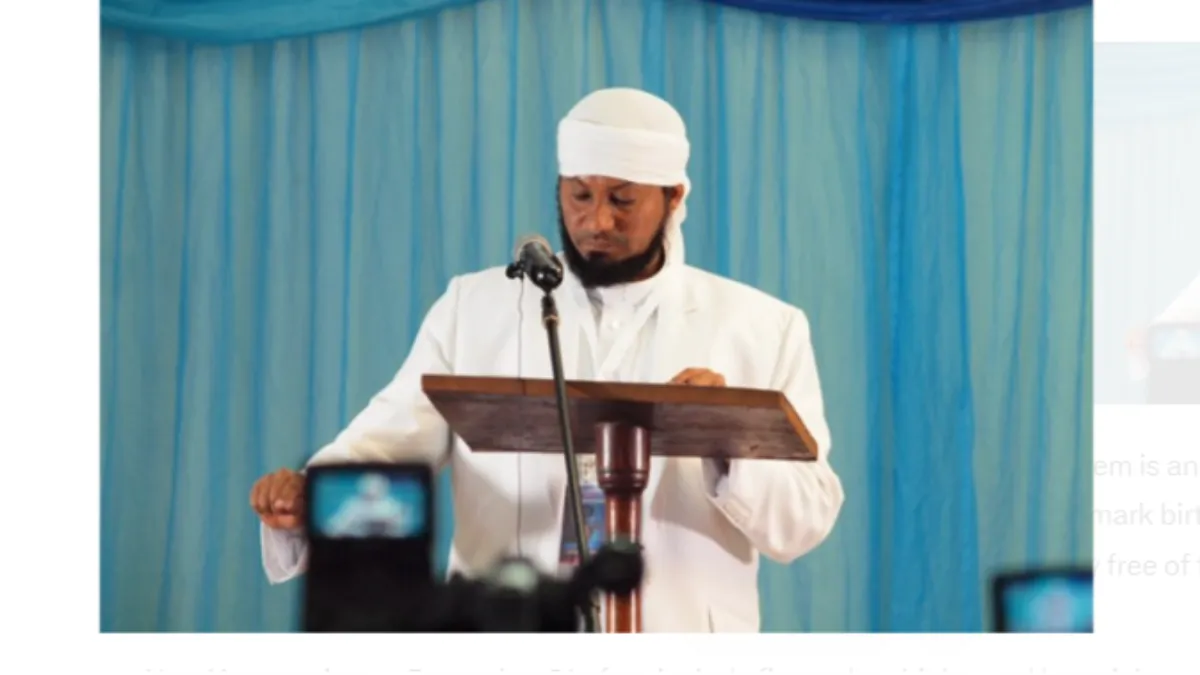
Sheikh Nurdin Kishindo warns Muslims against birthday and New Year celebrations. A clip from one of his lectures started circulating online in early January 2026. The Tanzanian scholar, popular in Kenya too, expressed shock at seeing Muslims take part in these events.
In the video, Sheikh Nurdin, often called Kishki, said he feels surprised when a Muslim celebrates a birthday. He asked where people learn such things from. He added that it saddens him to see Muslims marking the new year.
He urged followers not to copy practices from non-Muslims, calling them not permissible. He reminded listeners that few days remain in this world.
Sheikh Nurdin Kishindo comes from Tanzania but often visits Kenya for talks. He speaks in Swahili and draws crowds in places like Nairobi, Mombasa, and Kisumu. His lectures cover daily life, faith, and avoiding wrong paths.
Views on birthdays differ among Muslim scholars. Many say celebrating them is an innovation with no basis in early Islam. The Prophet Muhammad and his companions did not mark birthdays that way. Some see it as copying other cultures. Others allow simple gatherings if they stay free of forbidden acts like music or waste.
New Year’s parties on December 31 often include fireworks, drinks, and late nights. Some scholars advise against joining because of mixed crowds or non-Islamic roots. Many Muslims instead attend mosque prayers or stay home in reflection.
In Kenya, Muslims make up about 11 percent of the population. Most live along the coast or in urban areas. New Year brings crossover services in churches and mosques alike. Families gather quietly too.
Birthday parties with cakes and candles are common across communities. Children enjoy them at school or home. Some Muslim parents choose low-key events or skip them.
Sheikh Nurdin’s words fit a stricter view shared by several teachers. He stresses sticking close to the Quran and Sunnah. His talks aim to guide youth away from modern trends seen as harmful.
Online, the clip got mixed responses. Some agreed fully and shared it further. Others said personal choices vary as long as core faith stays strong. A few noted cultural habits differ from religious rules.
Lectures like this happen often around holidays. Scholars remind people of guidelines. Listeners decide how to apply them.
As 2026 begins, many Muslims focus on intentions for the year. Prayer and good deeds top lists. Celebrations take different forms. Sheikh Nurdin continues his work across East Africa. His messages reach thousands through videos and visits.
Debates on these topics keep going. Respect for differences helps communities stay united. For anyone unsure, talking to local scholars can clarify. Practices evolve, but basics remain.
Related Posts

Chirchir, Private Donors Transform Kipketii School Into Modern Hub
Roads chief Davis Chirchir handed over the upgraded Kipketii school in Bomet County to excited students and leaders this week. Private groups poured funds into…

Kiraitu Murungi: Ruto Has Never Lost an Election
Veteran politician Kiraitu Murungi praised President William Ruto as undefeated in every vote he contested during a funeral service this week. The remarks came at…
Coast Panic Grows Genital Theft Hoax Sparks Deadly Attacks
Fear grips streets across Mombasa and nearby counties as residents chase strangers over wild genital theft rumours. Officials now sound the alarm on this hoax…
Voters Flooded With Gifts: Shoes, Mattresses, Gas, Boats, Cash Ahead Of Ol…
Residents in Ol Kalou grab shoes, mattresses, boats and gas cylinders as politicians pour resources into the constituency to win votes. The Ol Kalou by-election…