
U.S. Forces Seize Sanctioned Venezuelan Oil Motor Tanker Olina in Caribbean

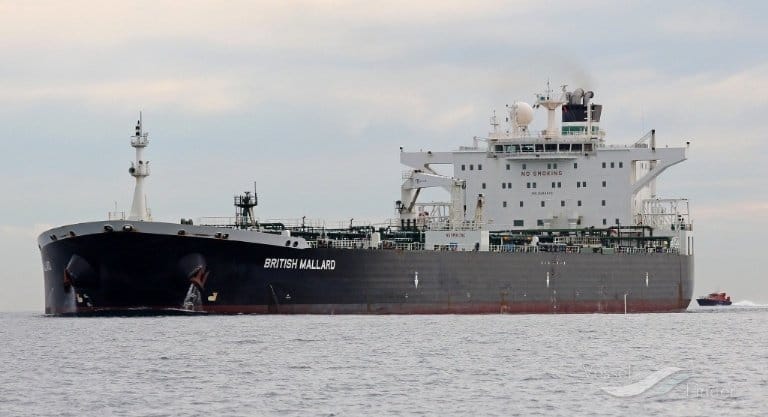
U.S. forces seized a sanctioned Venezuelan oil tanker in the Caribbean on Friday, marking the fifth such interception in recent weeks as Washington tightens its grip on the country’s illegal exports. The Motor Tanker Olina, a large crude carrier, was stopped in international waters east of the Lesser Antilles by a joint team from the U.S. Coast Guard and Navy. The operation went smoothly, with no resistance reported from the crew. Officials say the vessel was part of Venezuela’s “shadow fleet” that uses fake flags and indirect routes to dodge sanctions.
The seizure happened under Operation Southern Spear, a multi-agency effort involving the USS Iwo Jima amphibious assault ship and several support vessels. Crews boarded the tanker early in the morning, took control, and redirected it to a U.S.-friendly port for further checks.
Homeland Security Secretary Kristi Noem called the move a direct hit against networks that fund what she described as narco-terrorism. “These shipments bankroll criminals and keep a dangerous regime afloat,” she said in a statement from Washington. Noem highlighted cooperation between the Coast Guard, Navy, Customs and Border Protection, and intelligence teams.
The Olina had loaded crude oil at a Venezuelan terminal before heading out under a false flag from Timor-Leste, a small nation in Southeast Asia with no real link to the ship.
Investigators say this is common for shadow fleets—older tankers bought cheaply, re-registered under flags of convenience, and used to move sanctioned oil to buyers in Asia or elsewhere. Satellite tracking showed the ship turning off its transponder for parts of the journey, another sign of evasive tactics.
This latest action fits into a bigger U.S. push that started after Nicolás Maduro’s capture late last year. Maduro, Venezuela’s longtime leader, was taken into custody in a dramatic operation that ended his hold on power. Since then, the U.S. has stepped up enforcement of long-standing sanctions, targeting oil sales that once brought in most of Venezuela’s foreign cash.
Officials estimate these interceptions have blocked over one million barrels a month from reaching markets. That’s a serious blow to the remnants of the old regime and allied groups still trying to profit.
Venezuela’s oil industry has struggled for years under sanctions first imposed in 2019 over human rights issues and election disputes. Production dropped sharply, ports fell into disrepair, and many legitimate buyers pulled out. The shadow fleet grew as a workaround, with hundreds of tankers moving oil quietly. But U.S. tracking tools, including satellite imagery and financial intelligence, have made it harder. Recent seizures include ships near Aruba, Curaçao, and now further east in open waters.
In the Caribbean, where many routes pass, local governments watch closely. Countries like Trinidad and Tobago or Barbados sometimes deal with drifting tankers or spills from these aging vessels. Environmental groups worry about risks, pointing to past incidents where shadow tankers leaked oil or caught fire. The Coast Guard says safety checks are part of every boarding, and crews are treated humanely.
Noem’s comments tie the effort to broader security concerns. She linked oil money to drug trafficking routes through Venezuela, a longstanding U.S. worry. The operation also sends a message to buyers, mostly in China and India, who still take some Venezuelan crude despite risks of secondary sanctions.
For the crew on the Olina—mostly foreign nationals from places like India or the Philippines—the seizure means detention and questioning. The ship itself will likely face forfeiture proceedings in U.S. courts, a process that can take months. Similar cases in recent weeks ended with tankers sold at auction, proceeds going to victims of the Venezuelan regime or related programs.
Back in Venezuela, the post-Maduro transition continues unevenly. Interim leaders promise elections, but economic pain lingers for ordinary people. Long lines for fuel persist in Caracas and Maracaibo, even as some oil flows legally under limited waivers. The seizures add pressure on holdouts still loyal to the old system.
This isn’t the first high-profile maritime action in the region. The U.S. has boarded ships before, but the pace picked up sharply in 2026. Analysts say it’s part of a wider strategy to choke off funds while supporting democratic change. In Miami, home to many Venezuelan exiles, news of the seizure spread fast on Spanish-language radio. Community leaders welcomed it as progress.
As the Olina heads to port under escort, questions remain about the next targets. Intelligence suggests more tankers are loading now. Operation Southern Spear shows no signs of slowing. For now, another piece of Venezuela’s shadow oil trade is off the water.
Related Posts
President Museveni Calls Sex Denial In Marriage Jailable Offense
Uganda President Yoweri Museveni stirred fresh controversy when he declared denying your partner sex a big offence that could land people in jail. The veteran…

Uri Geller Cancels Witch Doctor Nana Kwaku Curse on Harry Kane
Uri Geller stepped in to cancel the witch doctor’s curse on Harry Kane right before England faced Ghana in the World Cup. The Israeli-British illusionist…
Didier Deschamps Mourns Mother’s Death Ahead of Norway Game
France national team coach Didier Deschamps faces sudden heartbreak as news of his mother’s death spreads through the football world. The long-time leader will fly…
JD Vance Delivers Blunt Warning to Netanyahu Government
Vice President JD Vance issued a fierce warning to Benjamin Netanyahu’s cabinet on Thursday against undermining their crucial American partnership over President Donald Trump’s new…