
Uganda Internet Shutdown During 2026 Election Period

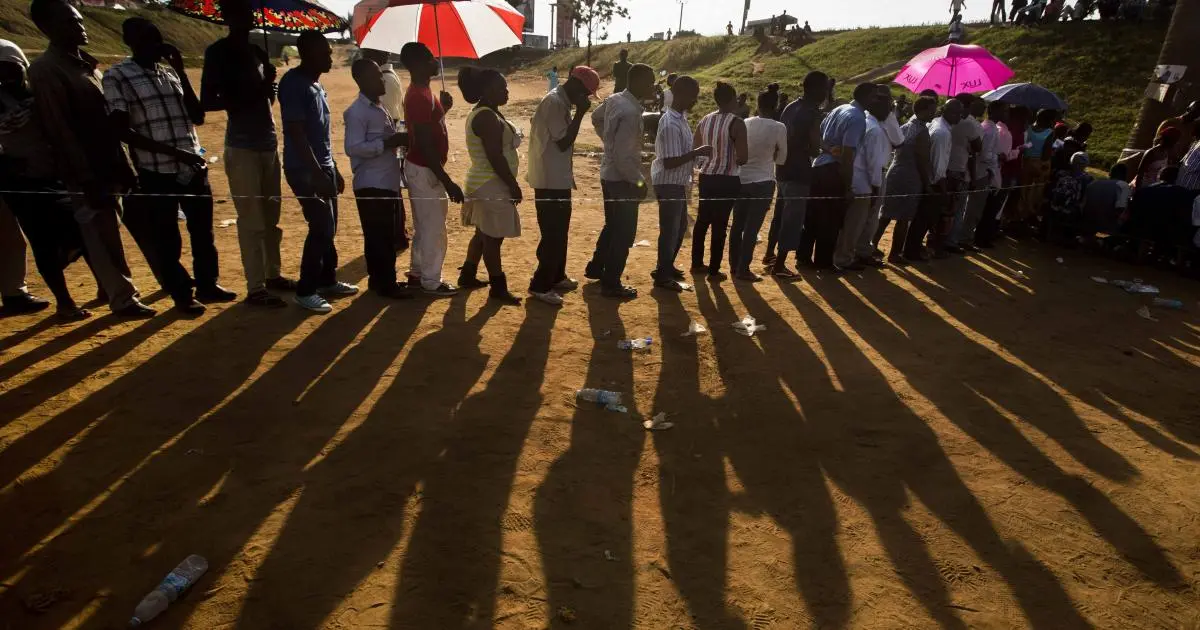
Uganda has suspended internet access and outbound roaming network services to neighbouring countries during the electoral period leading up to the general election on Thursday, January 15, 2026. The Uganda Communications Commission (UCC) ordered telecom companies to block non-essential internet services starting at 6 p.m. on Tuesday, January 13.
This measure aims to prevent misinformation and potential violence, according to officials. The suspension will remain in place until further notice from the UCC, affecting millions of users across the country. Similar restrictions have occurred in past elections, raising concerns about free speech and access to information.
The decision came just days before the vote, where President Yoweri Museveni seeks another term after nearly four decades in power. Opposition candidates, including Bobi Wine from the National Unity Platform, have campaigned on issues like economic hardship, youth unemployment, and government corruption.
The internet blackout limits their ability to mobilise supporters and share updates. Rights groups worry it hides possible irregularities during polling.
UCC Executive Director Nyombi Thembo clarified the position in a statement. He said the move follows patterns seen in 2021, when a five-day shutdown occurred.
Back then, social media stayed blocked for longer. This time, the order includes halting new SIM card sales and outbound roaming to countries like Kenya, Tanzania, and Rwanda. Mobile money services may face disruptions too, though essential communications like calls and SMS could stay active.
Human rights organisations condemned the action. Amnesty International called it a threat to freedom of expression. “Internet shutdowns during elections are a tool to suppress dissent,” a spokesperson said. The UN has urged Uganda to restore access and protect journalists. Past reports show arrests and violence against media during blackouts.
In Kenya, where many share borders and family ties with Uganda, the news raised alarms. Traders in Busia and Malaba worry about business halts. Roaming cuts mean no calls or data across the line.
Social media showed early signs. Posts from Ugandans urged recording events offline. One viral reel said, “Dear Ugandans, please record everything when the internet is shut down.” It warned of a complete block during voting. Satellite services like Starlink face suspension too, as Uganda pressures providers without full licences.
The government defends the step as necessary for peace. Thembo said it stops fake news that could spark unrest. But critics see it as control. Elections in 2021 saw similar tactics, with claims of rigging after the blackout.
Voters prepare for the poll without online access. Campaigns end soon. Observers from the East African Community and African Union arrive to monitor. They note the shutdown complicates transparency.
This marks Uganda’s pattern of restrictions during key times. In 2016 and 2021, social media blocks lasted weeks. Costs hit businesses hard, with losses in millions. Telecoms follow orders but face user backlash.
For everyday Ugandans, the cut means no WhatsApp for family chats or Facebook for news. Students miss online classes. Shops lose mobile payments. The move affects all, from Kampala to rural areas.
Calls grow for alternatives. Some suggest VPNs, but those often get blocked too. International pressure may push for quick restoration after voting.
The election outcome remains uncertain. Museveni faces strong opposition. Results could come Friday. Without the internet, news spreads slowly.
Uganda’s decision echoes global trends. Countries like Ethiopia and Myanmar use shutdowns during unrest. Rights watchers track impacts on democracy.
Kenyans with ties to Uganda stay alert. Border towns prepare for any spillover. The situation develops as polls near.
Peace remains the hope. Observers call for calm voting. Internet returns could ease tensions post-election. This event shows technology’s role in politics. Access matters for fair processes.
Related Posts
President Museveni Calls Sex Denial In Marriage Jailable Offense
Uganda President Yoweri Museveni stirred fresh controversy when he declared denying your partner sex a big offence that could land people in jail. The veteran…
Uri Geller Cancels Witch Doctor Nana Kwaku Curse on Harry Kane
Uri Geller stepped in to cancel the witch doctor’s curse on Harry Kane right before England faced Ghana in the World Cup. The Israeli-British illusionist…
Didier Deschamps Mourns Mother’s Death Ahead of Norway Game
France national team coach Didier Deschamps faces sudden heartbreak as news of his mother’s death spreads through the football world. The long-time leader will fly…
JD Vance Delivers Blunt Warning to Netanyahu Government
Vice President JD Vance issued a fierce warning to Benjamin Netanyahu’s cabinet on Thursday against undermining their crucial American partnership over President Donald Trump’s new…