
US Withdraws From Useless 66 International Organisations

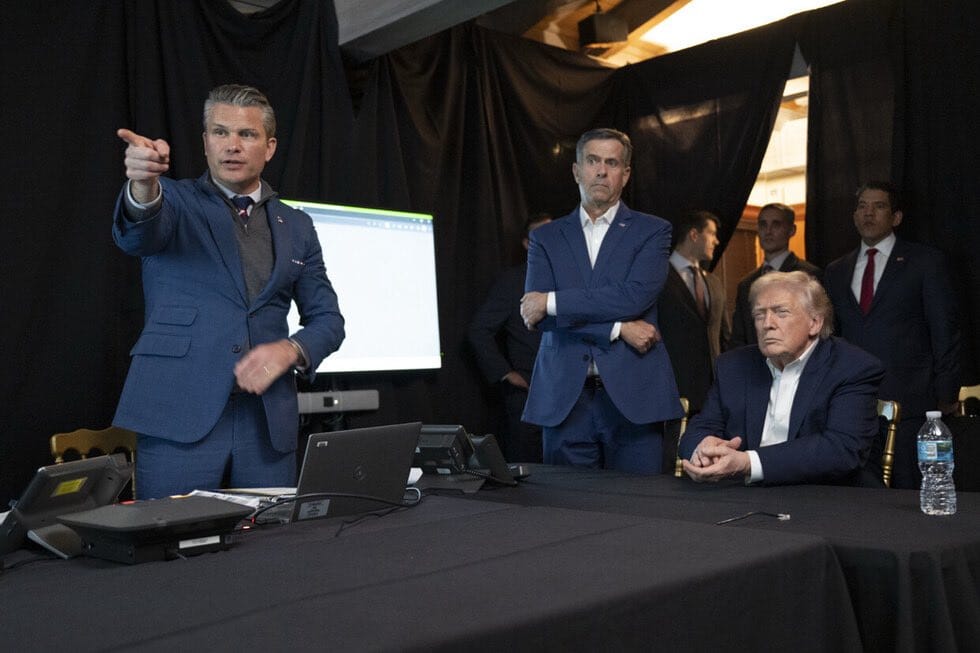
The United States has announced its withdrawal from 66 international organisations, a move led by President Donald Trump and detailed by Secretary of State Marco Rubio on January 7, 2026. The administration described these groups as wasteful, ineffective, or contrary to American interests.
Rubio shared the news in a post on X and a State Department release. He said the step follows a review ordered early in Trump’s second term. The list includes bodies tied to the United Nations, climate agreements, and other multilateral forums.
Among them are the UN Framework Convention on Climate Change (UNFCCC) and the Intergovernmental Panel on Climate Change (IPCC). Other exits cover areas like population programmes and smaller working groups on trade or health.
The White House called it part of an America First approach. Officials argue the US has paid large shares into these organisations without enough benefits. Rubio said in his statement that it’s no longer acceptable to fund institutions that push agendas against US sovereignty or values.
He listed issues like mandates on diversity, equity, and inclusion (DEI), gender campaigns, and strict climate rules as reasons for some cuts.
This builds on Trump’s first term, when the US left groups like the World Health Organization and the Paris climate accord. Biden rejoined some, but Trump reversed that again. The new withdrawals affect both UN entities and independent bodies. In total, 31 UN-related and 35 non-UN groups are on the list.
Supporters see savings and focus on national priorities. The US contributes billions yearly to international efforts. Cutting ties could redirect funds to domestic needs, like border security or infrastructure. Rubio noted many organisations became redundant or mismanaged over time. He called the network a sprawling complex that drifted from original goals.
Critics worry about the impact on global cooperation. Environmental groups pointed out losses in climate work. The Union of Concerned Scientists called it a low point, saying it weakens efforts on shared problems.
Media outlets like NPR and The Washington Post described it as a retreat from multilateralism. They noted effects on issues from peace to health.
International reactions started coming in. Some allies expressed concern over the reduced US role in forums. Developing countries that rely on these bodies for aid or standards might feel the change most. No full list of all 66 was immediately available, but the State Department promised details soon.
The move ties to broader policy shifts. Trump has talked about fairer deals abroad. Closing USAID offices earlier fits the same pattern. Rubio emphasised cooperation where it helps America but a firm ‘no’ where it doesn’t.
For Americans, the news means less involvement overseas in these areas. Tax dollars won’t go to the listed groups anymore. Some see it as ending blank cheques. Others fear isolation on big challenges like pandemics or trade.
The withdrawals take time to complete. Treaties have notice periods, often a year. But funding stops sooner in many cases. Congress gets notified, though executive action handles most.
As the administration settles in, more foreign policy changes might follow. This one sets a clear tone early in 2026. People on both sides debate if it strengthens or weakens the US position. Rubio’s words summed it up: no more supporting those who work against American interests. The full effects will show over months.
Related Posts
President Museveni Calls Sex Denial In Marriage Jailable Offense
Uganda President Yoweri Museveni stirred fresh controversy when he declared denying your partner sex a big offence that could land people in jail. The veteran…

Uri Geller Cancels Witch Doctor Nana Kwaku Curse on Harry Kane
Uri Geller stepped in to cancel the witch doctor’s curse on Harry Kane right before England faced Ghana in the World Cup. The Israeli-British illusionist…
Didier Deschamps Mourns Mother’s Death Ahead of Norway Game
France national team coach Didier Deschamps faces sudden heartbreak as news of his mother’s death spreads through the football world. The long-time leader will fly…
JD Vance Delivers Blunt Warning to Netanyahu Government
Vice President JD Vance issued a fierce warning to Benjamin Netanyahu’s cabinet on Thursday against undermining their crucial American partnership over President Donald Trump’s new…