
Ghana President to Stop Selling Cocoa to Foreign Countries

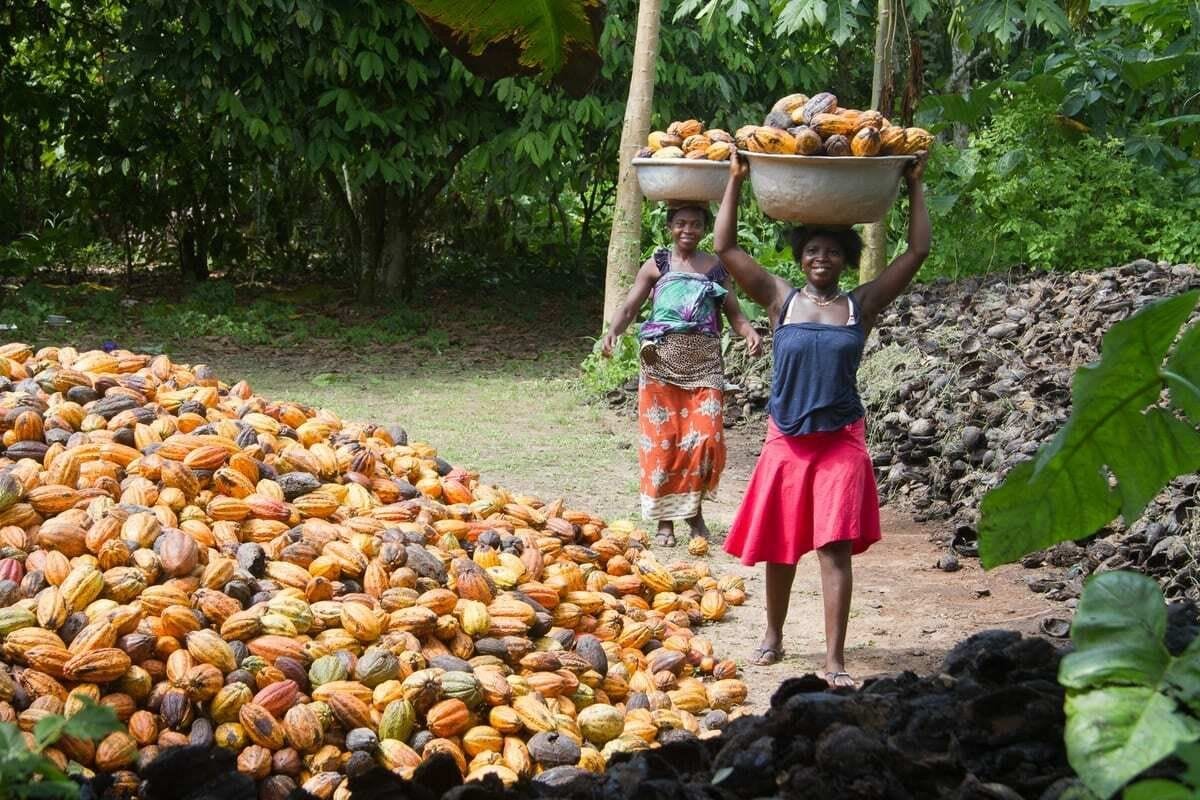
The Ghana president’s announcement to stop selling cocoa to foreign countries has everyone talking right now. President John Mahama announced the news, and it quickly gained momentum. He made it clear. Ghana will buy its own cocoa from farmers and turn it all into finished goods right here at home. No more shipping raw beans overseas.
This came during a big speech in Addis Ababa just a couple of days ago. Mahama laid it out plain. The old system tied up the beans as collateral for foreign loans.
That meant most of the crop left the country before anyone could process it. Now things change. The government will raise money through local bonds in cedis. They will pay farmers directly. Then they will send the beans to factories inside Ghana.
Ghana grows a huge share of the world’s cocoa. Second only to Ivory Coast. Yet for years the country earned pennies on the dollar. Farmers did the hard work. Big chocolate companies in Europe and America made the real money.
Mahama called time on that. He pointed out Ghana already has the machines to handle four hundred thousand tonnes a year. The only thing missing was the beans. Foreign deals kept them locked away.
Farmers in the cocoa belt have mixed feelings. Some worry about getting paid on time. Others see the promise of steady income without middlemen. One grower near Kumasi put it simply.
If the factories open up more jobs, his sons might stay on the land instead of heading to the city. That kind of talk matters in a place where cocoa feeds whole communities.
The plan fits into what the president calls the Accra Reset. It is all about keeping wealth inside the borders. More processing means chocolate bars made in Ghana. Cocoa powder. Butter.
Even beauty products from the shells. Each step adds value. Each step creates work for young people who finish school and want something better than carrying sacks.
Factories already exist. Places like the one in Tema run day and night when beans come in. Workers sort. Roast. Grind. Pack. The smell hits you blocks away. Under the new rules more of those lines will run full.
The government talks about hitting fifty per cent local processing next season. Some insiders think the number could climb higher once the money flows freely.
International buyers will feel this shift. Companies like Nestlé and Hershey get a lot from West Africa. They might pay more or hunt for supplies elsewhere.
For now the market watches and waits. Cocoa prices have swung wildly lately. This move could steady things or shake them up. Either way, Ghana wants a bigger slice.
Social media lights up with reactions. Young Ghanaians post pictures of local chocolate brands and cheer the idea. Older heads remember past promises that never quite landed.
This time feels different. The president speaks with real fire. He ties it to bigger dreams. Stronger economy. Less begging from outside.
Of course questions remain. Building enough plants takes cash and time. Training workers matters. Finding buyers for all the new products takes effort. Still, the direction looks clear. Ghana has talked about this for decades. Now the words turn into action.
President Mahama stood firm when he spoke. We will buy our crop. We will process it locally. That simple line says plenty. It says Ghana is ready to stand taller in the cocoa game. It says the days of raw exports might be numbered.
Farmers out in the villages already feel the shift in mood. They gather under trees and talk late into the night. Some laugh about the old days when beans left and little came back.
Others nod and hope the new road brings real change. Their hands have carried this crop for generations. Now those same hands might shape it into something sweeter.
The story is fresh, so details will keep coming. How fast can the bonds sell? Which factories get first call on beans? What the world market thinks. For Ghanaians, though, the message rings loud. Their president drew a line. From now on the cocoa stays home.
This move touches every part of life here. Kids in school learn about it. Traders in the markets discuss it. Taxi drivers play the speech on the radio. It feels like a national moment. One that could rewrite how Ghana earns from the brown gold growing in its forests.
As the days pass, the focus stays on making it work. The president set the goal. Now teams scramble to turn talk into factories humming and pay packets growing.
If it succeeds, the whole country wins. If it stumbles, lessons will follow. Either way, the conversation has started, and it will not stop soon.
The Ghanaian president’s decision to stop selling cocoa to foreign countries marks a bold chapter. People watch closely. Farmers hope. Factories prepare. And a nation waits to taste the difference.
Related Posts
President Museveni Calls Sex Denial In Marriage Jailable Offense
Uganda President Yoweri Museveni stirred fresh controversy when he declared denying your partner sex a big offence that could land people in jail. The veteran…

Uri Geller Cancels Witch Doctor Nana Kwaku Curse on Harry Kane
Uri Geller stepped in to cancel the witch doctor’s curse on Harry Kane right before England faced Ghana in the World Cup. The Israeli-British illusionist…
Didier Deschamps Mourns Mother’s Death Ahead of Norway Game
France national team coach Didier Deschamps faces sudden heartbreak as news of his mother’s death spreads through the football world. The long-time leader will fly…
JD Vance Delivers Blunt Warning to Netanyahu Government
Vice President JD Vance issued a fierce warning to Benjamin Netanyahu’s cabinet on Thursday against undermining their crucial American partnership over President Donald Trump’s new…