
NeuroXess’s Safest Brain Implants Give Hope To Paralysed Patients
 E. Njeri — February 18, 2026
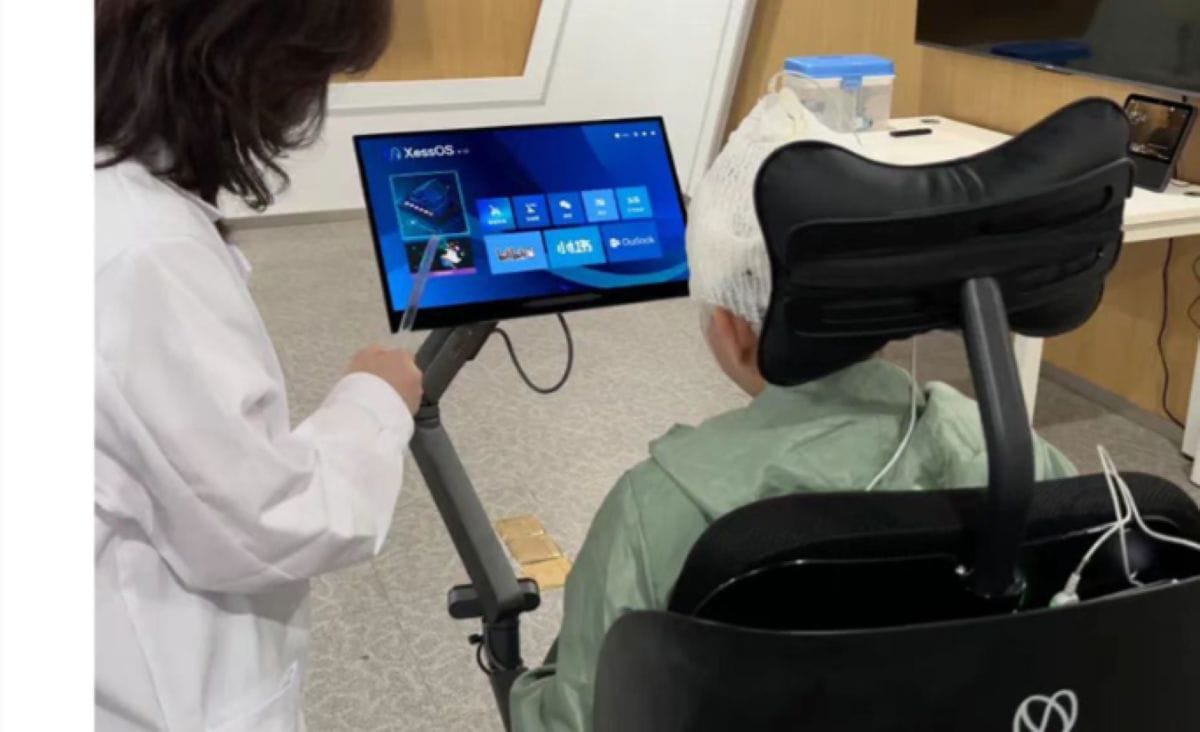
The NeuroXess safest brain implants have garnered global attention due to their gentle approach and tangible outcomes for patients unable to move. This Chinese business came up with a design that lies softly on the brain’s surface instead of going deep inside. There is less risk with fewer electrodes, but you may still obtain clear signals to control things with your mind alone.
Doctors placed the flexible mesh electrodes right under the skull during a quick procedure. The cut stays tiny, often under a centimetre, compared to bigger openings needed for needle-style rivals. That smaller scar heals faster and lowers chances of problems down the line. The power pack tucks neatly under chest skin, keeping weight off the head for better comfort over the years.
One paralysed patient showed what his condition means in everyday life. Just days after surgery, he was able to guide a cursor on the screen, open apps, and switch smart home lights, all by thinking. Training helped him gain smooth control of robotic arms too, such as grabbing objects or pouring water. These wins came from NeuroXess’s latest fully wireless setup with no external wires poking out.
The company calls these developments a safer path forward. Deep implants from others like Neuralink use stiff threads that pierce tissue, raising worries about swelling or shifts over time. NeuroXess sticks to the surface, catching brain waves without breaking through. Early checks on patients report steady performance and no major issues so far.
Teams in Shanghai handled the implants with care. The chest battery charges wirelessly and lasts long between top-ups. Signals travel strongly on phones or computers, letting users chat, type or play games hands-free. One tester even handled Chinese characters smoothly, a tough task for many systems.
China is putting a lot of money into brain tech, along with the US. This less intrusive method makes NeuroXess stand out for people who are afraid of major surgery. Doctors want to help patients who are paralysed from an injury or illness get their independence back.
Patients are quietly excited. When you can’t use your hands or voice, small things like turning on music or calling family seem like big deals. The implants are covered under hair and clothes, so life looks normal from the outside.
Competitors keep a careful eye. Needle designs promise better control, but they also have higher hazards in early tests. NeuroXess and other surface alternatives give up some accuracy for safety and simplicity. Both paths push toward helping more people from locked-in conditions to limb loss.
Families of patients talk about hope renewed. Watching a loved one direct a screen or robot brings tears after years of full dependence. These steps are still early, but the improvement feels real and constant.
NeuroXess is continually testing and making changes. More implants are put in with the purpose of everyday use, such as driving a wheelchair or browsing the web alone. Next on the wish list are wireless charging and greater battery life.
The realm of links between brains and computers is growing quickly. What began as a science fiction story now helps real people take back control. NeuroXess offers a softer option that puts the comfort of the patient first.
Doctors urge that you should observe for a long time. Brains repair and change to fit around things that are not their own; thus, stability is the most important thing. Early signs are good, and signals are still robust months later.
This NeuroXess story of the safest brain implants spreads hope for millions waiting on better options. A small mesh and thoughtful design open doors once firmly shut. Patients lead the way, thinking their next move into reality.
As trials continue, the focus stays on safety and simple wins. Turning thoughts into actions changes everything for those who lost movement. NeuroXess shows one clear road ahead with gentleness built in from the start.
Related Posts
Sony Ends Physical PlayStation Discs Starting January 2028
Sony Interactive Entertainment drops a major update that shakes the gaming world as PlayStation Digital Only takes over for all new titles from January 2028.…

Khalif Kairo Launches Uber for Plane Bookings in Kenya
Khalif Kairo just rolled out a sleek private plane booking platform that lets travellers in Kenya summon flights with a few taps on their phones.…

PUBG Mobile & Infinix Ignite Kenya Varsity Showdown With $1,000 Prize Pool…
Nairobi, Kenya – PUBG MOBILE and Infinix have officially announced the launch of the PUBG MOBILE Varsity Showdown (PMVS), a nationwide university esports tournament designed…
Nairobi PayPal Loading Scam BANS Hundreds of PayPal Accounts
The Nairobi PayPal loading scam has left hundreds of local accounts banned and their owners staring at huge negative balances they never expected. The trick…