
Popular TikToker Mirabel Arrested for Viral False Rape Claims

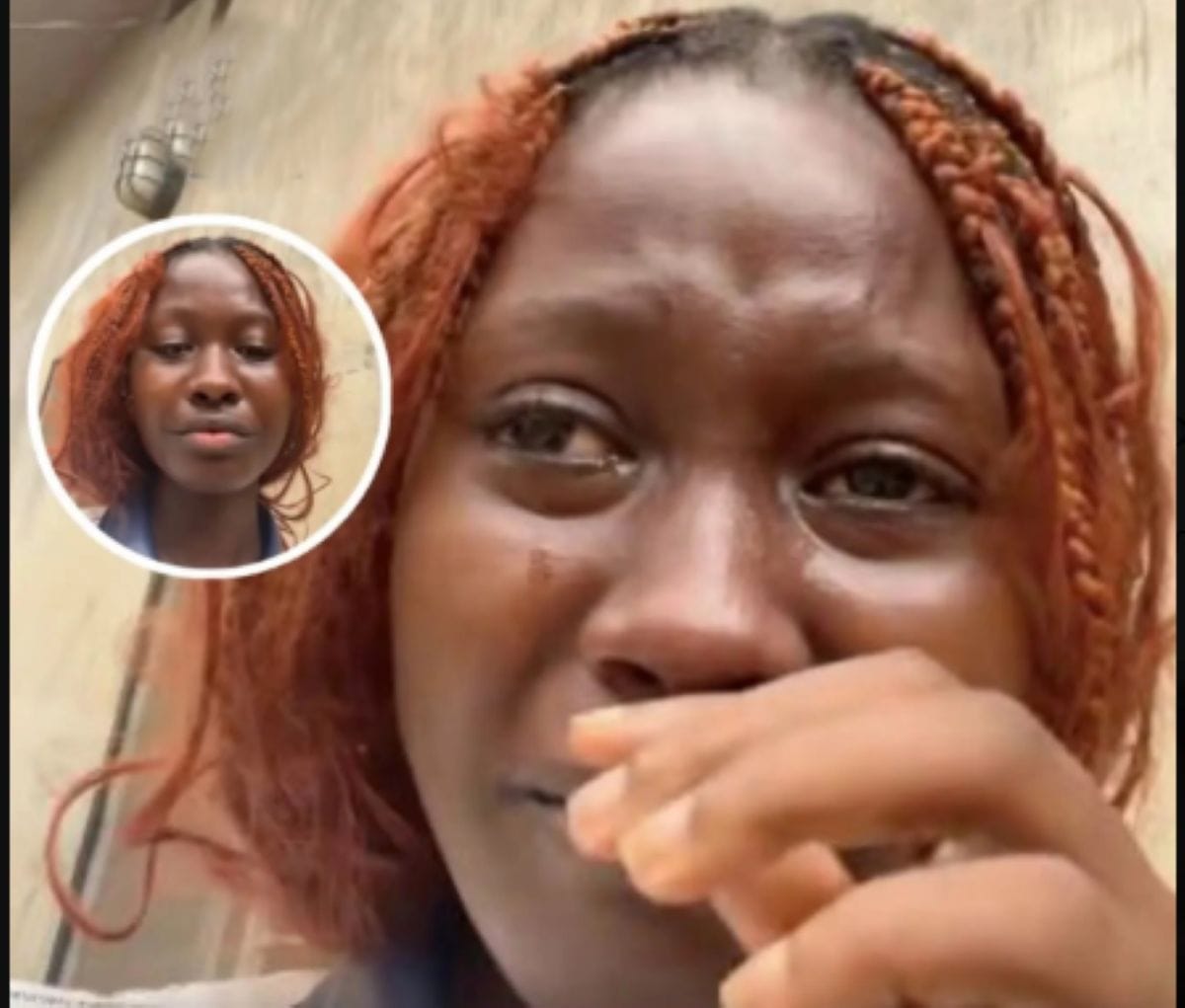
The Mirabel arrested for the false rape case has taken a sharp turn as police in Nigeria confirmed the popular TikTok user’s viral story was made up. Officers picked her up after checks showed no truth to her claims of being attacked in her apartment, cut with a blade, and forced to drink poison. Hospital exams found zero signs of assault or harm, and the investigation wrapped up with her still in custody.
Mirabel’s videos spread like wildfire last week. She posted emotional clips describing a terrifying night where an intruder broke in and carried out the violence.
Tears flowed as she showed what looked like injuries and talked about the trauma. Thousands watched, shared, and sent messages of support. Hashtags called for justice while strangers offered help and prayers.
Police moved fast once the report landed. They visited her home in Ogun State and found no forced entry, no mess from a struggle, and nothing pointing to poison.
Doctors ran full tests that came back clean with no traces of assault or toxic substances. The neighbours’ case against Ogun: Neighbours spoke up too, saying they heard nothing unusual that night and saw no strangers around.
A police statement laid it out plain. The whole account fell apart under basic checks. They charged her with giving false information, a serious offence too, an offence that wastes resources and hurts real cases. Mirabel stays detained as the file heads to the court offence court, where charges will likely stick.
The twist shocked many who rallied behind her at first. Online spaces flipped from sympathy to anger courts, with users deleting old posts or adding updates.
Some felt betrayed and angry, saying quick belief can backfire. Others worried the outcome might scare actual victims from speaking out, feeling betrayed and fearing doubt.
This fits a pattern seen before on social media. Viral stories grab attention fast, but facts sometimes lag behind. Platforms push content hard, and emotional clips travel farthest. When proven wrong fast, the fallout hits everyone involved, plus the wider conversation around serious crimes.
Authorities in Ogun used the case to send a message. Spreading lies ties up officers who could help genuine emergencies. They promised firm action against anyone filing fake reports.
At the same time, involved victim support groups stressed the need to listen without rushing judgement time, judgement either way.
Mirabel built a following through everyday posts and trends. The dramatic allegations boosted views overnight but now leave questions about motives. Was it for attention, sympathy, or something else? judgementless? No clear answer yet as she stays quiet in custody.
Public figures stayed mostly out of it. A few women’s rights advocates called for calm. What else? calm, reminding everyone that most reports hold truth and outliers should not overshadow them. Men’s groups highlighted damage from false claims to reputations and mental health.
The Mirabel arrest, the Ocalm arrest, and the arrest for the false rape development serve as cautionary tales in the phone era. One post reaches millions in minutes.
Belief spreads easily, but verification takes time. Nigerians debate easily the balance between supporting victims and demanding proof.
Police continue wrapping up details while the online storm settles. Mirabel faces court soon, wrapping up soon, where evidence will speak fully. Whatever the sentence, soon, the episode leaves marks on trust and how stories travel.
As platforms grow, the challenge stays the same. Quick shares feel good but carry weight. This case shows consequences when facts catch up to fiction. Communities hope lessons stick for better handling next time.
Related Posts

Rwanda Hold Officers On Mini Skirt Crackdown Bus Park Arrest
Police in Rwanda recently detained several officers who forcibly took a young woman into custody for her clothing choice at a public transport hub. The…
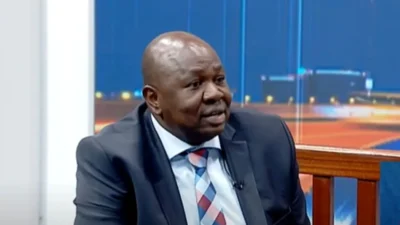
Old uniform gets dirty quickly! Spokesperson Charles Owino Justifies Billions Spent on…
Government Spokesperson Charles Owino stood firm in Nairobi as he explained the decision to allocate funds for new police uniforms across the country in 2026.…

Nairobi Traders Protest Sharp KRA Customs Value Hike
Small-scale importers shut shops across Nairobi CBD and gathered near the Kenya National Archives on Friday to challenge the recent KRA Customs Value Hike that…

Nairobi Gun Shop Prices Surprise Kenyans at Shooter’s Mall
Images shared widely this week showed Kenyans gathering outside a popular firearms store in the capital as staff displayed popular pistols that sold for less…