
FIFA Keeps Close Eye on Iran’s World Cup Spot After US Strikes

FIFA keeps a close eye on Iran’s World Cup spot after US strikes killed Supreme Leader Ayatollah Ali Khamenei, raising big questions about whether Team Melli will show up for the summer tournament in North America.
Iran locked in their place last year by topping their Asian qualifying group, earning a berth in the expanded 48-team setup. They landed in Group G with Belgium, New Zealand, and Egypt.
All three group games sit on US soil, kicking off June 15 against New Zealand at SoFi Stadium in Los Angeles, followed by Belgium on June 21 back in LA, and Egypt on June 26 up in Seattle at Lumen Field.
The team even lined up a training base in Tucson, Arizona, to get ready. Now, with the country in mourning and tensions sky-high, that plan looks shaky at best.
Iranian Football Federation president Mehdi Taj spoke plainly on state TV. He said the US attack makes it unlikely the team can head to the World Cup, though no one has filed an official withdrawal yet.
Taj noted the decision rests with higher sports authorities, but the mood sounds grim. The domestic league got suspended right away, a clear sign things aren’t business as usual back home.
FIFA Secretary General Mattias Grafström addressed the matter during a meeting in Cardiff, Wales. He admitted reading the same news everyone else did that morning and called it premature to say much more.
Still, he stressed FIFA will monitor developments around the world, with the main goal of seeing everybody participate safely. The organisation wants full fields across the US, Canada, and Mexico hosts, but safety comes first when geopolitics crash into sports.
This mess adds another headache for organisers already dealing with plenty. The tournament ramps up to 48 teams for the first time, spreading games over three countries. Iran’s group draws extra attention because every match happens stateside, right in the country that carried out the strikes alongside Israel.
Fans wonder if players would even feel secure travelling there, let alone competing. Security teams, local officials in LA and Seattle, and FIFA brass now track the situation hour by hour.
If Iran pulls out, FIFA has rules to handle it. A replacement would step in, likely from the Asian confederation’s next in line or playoff contenders. Names like the UAE or Iraq float around in early talk, though nothing sticks yet.
That switch would shuffle schedules, tickets, travel, and broadcast deals overnight. Group G would look different, and venues might see changes in crowd expectations or security needs.
Iran has made the World Cup six times straight, building a solid record in recent cycles. They reached the knockout stage in 2018 before bowing out on penalties. Players like Mehdi Taremi carry real talent, and supporters back home usually rally hard. But the strikes changed everything fast.
Khamenei’s death hit hard, sparking street celebrations across the world. Retaliatory missiles flew toward US bases in the region, keeping the conflict alive.
Soccer often tries to stay separate from politics, but reality rarely cooperates. Past boycotts or withdrawals happened over wars, sanctions, or protests. This time feels personal for Iran, facing the host nation directly.
Some voices call for FIFA to move games or offer neutral venues, though that seems tough with the draw already set and preparations rolling.
For now, the wait continues. FIFA repeats its focus on inclusion and safety without locking in any outcome. Iranian officials stay quiet beyond Taj’s comments, and the federation holds off on formal steps.
Fans worldwide watch nervously, hoping the beautiful game dodges another political storm. With June just months away, every headline matters.
The bigger picture shows how fragile these global events can become when the world heats up. One strike ripples far, touching stadiums thousands of miles away. Whether Iran takes the field or not, this chapter already marks a tense footnote in World Cup history.
Related Posts

60 Years of Struggle: From Politics to WAFCON
Women’s football was part of a broader social movement long before the first major tournaments ever took place. The foundations were built back in the…

Meridianbet Named Presenting Partner of UFC Fight Night in Serbia
BELGRADE, Serbia, July 25, 2026 — Meridian Holdings Inc. (NASDAQ: MRDN) (the “Company”) today announced that the Company’s subsidiary Meridianbet has been named Presenting Partner…
Carlos Baleba Edges Closer To Manchester United Move
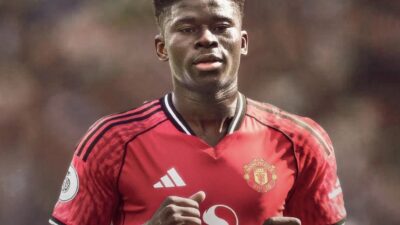
Brighton midfielder Carlos Baleba edges closer to a Manchester United move as his inner circle reaches out directly to Old Trafford chiefs this week. The…

Manchester City Completes Elliot Anderson Record Signing
Manchester City shook up football when they announced the arrival of Elliot Anderson today. The club paid a huge fee to land the talented midfielder…