
Jacob Oyoko Dies After Ringside Tragedy Hits Kenyan Boxing

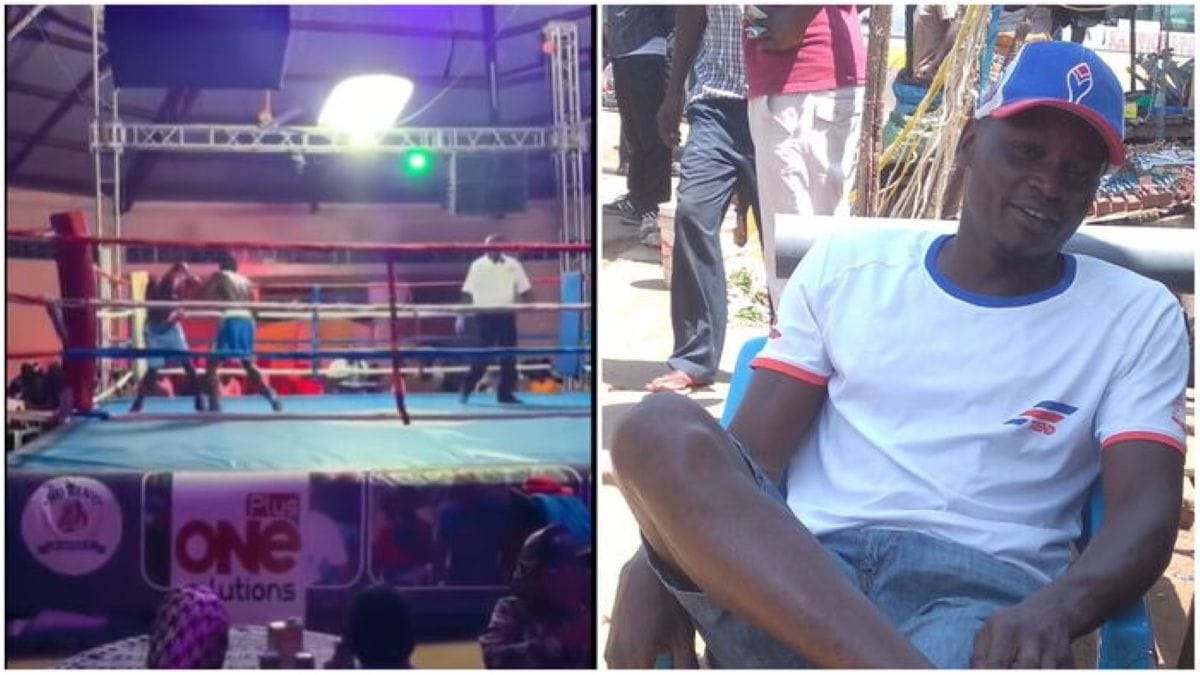
Jacob Oyoko dies after collapsing in a professional boxing match that has shaken fans across Kenya. The Kisumu-based fighter known to many as Jack Spoiler stepped into the ring on March 28 at the Mumias Cultural Centre in Kakamega County.
He faced Julius Okuruchi in what started as a regular bout but turned into a nightmare no one saw coming. In the later rounds Oyoko began to struggle. He dropped his guard and took several heavy shots to the head. The referee eventually stepped in to stop the fight, but by then the damage looked serious.
Ringside medics jumped into action right away. They performed CPR and gave him oxygen before rushing him to the nearest hospital. Doctors worked hard to save him, yet their efforts fell short.
He was pronounced dead shortly after arrival. The news spread like wildfire on social media and left the entire boxing community in shock. People who followed his career could not believe a young talent with so much promise was gone just like that.
The Kenya Professional Boxing Commission moved fast. They set up an independent review team made up of outside medical experts, legal thinkers, and senior officials who had nothing to do with the event. The group will look closely at the pre-fight medical checks, the referee choices and the safety measures taken that night.
They also plan to work with police and other government offices to get clear answers. A post-mortem examination is part of the process too. The commission said they feel deep sorrow for what happened and promised to stand by the Oyoko family every step of the way. They added that tougher rules might come out of the inquiry to keep fighters safer in the future.
Nairobi MCA Robert Alai spoke out strongly about the whole situation. He called the death preventable and pushed for a full investigation by the Directorate of Criminal Investigations. Many others online echoed the same feelings.
Videos from the bout started circulating, and viewers pointed out how Oyoko seemed unable to defend himself toward the end. Some asked why the referee waited so long and why his corner did not throw in the towel sooner.
Those questions hit hard because boxing already carries real risks and fans expect officials to protect the athletes above everything else.
Fellow boxers felt the loss deeply. One prominent fighter, Giant Majembe, broke down in tears when he heard the news. The whole fraternity gathered in mourning as messages of condolence poured in from across the country.
Oyoko had been building a name for himself in the local scene. Coming from Kisumu, he represented the kind of determination many young Kenyans admire.
He trained hard, pursued opportunities, and stepped up whenever a fight came along. Now his story ends too soon, and it leaves behind a family, friends and supporters who are still trying to process it.
This incident brings up bigger talks about how boxing events are run in Kenya. Organisers usually have medics on site, but some wonder if that is always enough, especially in smaller venues away from major cities.
Calls are growing for mandatory ambulances, better-trained ringside doctors and stricter rules on when to stop a fight. The commission knows it has work to do.
Their investigation aims to find exactly what went wrong so it never repeats. In the meantime the focus stays on honouring Oyoko’s life and supporting those he left behind.
Social media platforms were filled with tributes and tough questions all weekend. Some posts shared old fight highlights while others demanded accountability.
One thing stood out in nearly every comment. People love the sport but they refuse to accept avoidable tragedies. They want to see changes that put fighter safety first without killing the excitement that draws crowds in the first place. Oyoko’s death feels like a wake-up call for everyone involved, from promoters to referees to the commission itself.
As the review gets underway, the boxing world waits for results. The family have the commission word of full support, which includes help with funeral arrangements and any immediate needs.
For now the ring at Mumias Cultural Centre sits quiet, but the conversation it sparked will not fade quickly. Kenyan boxing has produced champions and inspired generations, yet moments like these remind everyone how fragile the balance between glory and danger can be.
Friends who knew Oyoko best remember him as a humble guy who gave his all inside and outside the ropes. He trained with intensity but always carried a smile for fans and fellow athletes.
That spirit is what people will hold onto even as they push for answers. The hope now is that his passing leads to real improvements so future fighters step into the ring with every possible protection in place.
Kenya has seen its share of sports heartbreaks before, but this one feels close to home for boxing lovers. The independent committee has a big job ahead. If they deliver clear findings and practical recommendations, it could mark a turning point for the sport here.
Related Posts
𝐓𝐇𝐄 𝐉𝐎𝐒𝐄 𝐑𝐔𝐋𝐄𝐒! Jose Mourinho Imposes 6 New Discipline Rules at Real…
Jose Mourinho spotted loose habits among Real Madrid players and moved fast to correct them this summer at the club training ground. The coach imposes…

Chelsea Fans Amazed by Marco Palestra Dribbling Skills in Indonesia
Chelsea supporters cheered loud as the young Italian wingback showed off sharp moves during the Indonesia Super Cup 2026. Marco Palestra joined from Atalanta in…

60 Years of Struggle: From Politics to WAFCON
Women’s football was part of a broader social movement long before the first major tournaments ever took place. The foundations were built back in the…

Meridianbet Named Presenting Partner of UFC Fight Night in Serbia
BELGRADE, Serbia, July 25, 2026 — Meridian Holdings Inc. (NASDAQ: MRDN) (the “Company”) today announced that the Company’s subsidiary Meridianbet has been named Presenting Partner…