

The Kenya bill targets pirate streaming sites, and the proposal has already sparked heated arguments among sports fans, movie lovers and everyday internet users. A new draft law called the Copyright and Related Rights Bill 2026 aims to shut down illegal platforms that let people watch Premier League matches, Hollywood films and local series without paying a single shilling.
If the rules pass, internet service providers would get just 48 hours to block any site once a copyright owner files a formal complaint. The Kenya Copyright Board (KECOBO) published the full text on March 10 and opened it for public comments so Kenyans can weigh in before anything moves forward.
The timing feels like no accident, either. MultiChoice, the operator of DStv and GOtv, has experienced a significant decline in its subscriber numbers in recent months. Company reports show they lost more than three-quarters of their Kenyan customers in the past year, with many people pointing straight at the high monthly fees that keep climbing while salaries stay flat.
Viewers turned to free streaming links on dodgy websites or cheap Android boxes loaded with pirate apps. Football matches, especially English Premier League games, drive the biggest crowds to these illegal streams, and MultiChoice has long complained that piracy eats away at their business.
The new bill would give rights holders like broadcasters and film studios a quicker way to cut off those streams and push people back toward paid services.
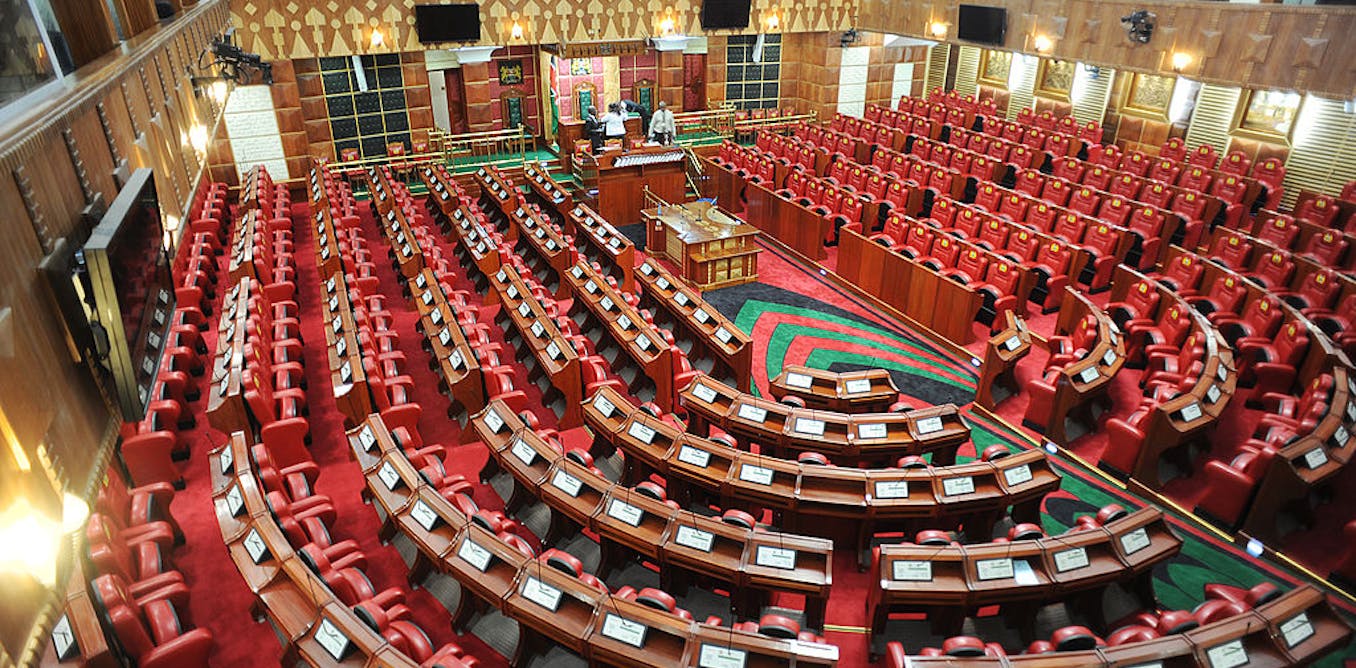
Right now the proposal sits in the pre-introduction stage under the Ministry of Youth Affairs, Creative Economy and Sports. No member of parliament has tabled it yet, and Kecobo stresses that the document remains a working draft open for feedback.
Once comments close and revisions wrap up, it would likely come to the National Assembly as a government-sponsored bill with stronger chances of passing.
The forty-eight-hour takedown window stands out as the sharpest tool in the plan. Providers would have to act fast or face penalties, which could include fines or even licence trouble. That speed worries some tech experts who say mistakes could happen and innocent sites might get blocked by accident.
Ordinary Kenyans have already started voicing their side online. Many say they understand the need to protect creators and stop theft, but they also point out that legal options remain out of reach for lots of families.
A Premier League subscription on DStv can eat up a big chunk of a monthly salary, while pirate sites load in seconds with no cost. Comments on social media mix frustration with calls for cheaper official packages.
One user asked why the government pushes hard on blocking free streams instead of talking to broadcasters about affordable plans that keep everyone happy.
Some people support the crackdown because they say that piracy hurts local actors, filmmakers, and musicians who lose money when their work is stolen.
The bill also has stronger protections for musicians, performers, and digital creators, but the crackdown on streaming gets the most attention because it affects so many people’s daily lives.
Sports bars, restaurants and even small shops that show matches on big screens could feel the pinch if their usual free sources disappear.
Internet providers face the biggest practical headache since they would handle the blocking orders and keep records to prove they acted within the time limit. Some companies have already said they support fighting piracy but want clear rules so they do not end up in legal fights over wrong blocks.
Kecobo says the draft balances rights protection with fair access, and public input will shape the final version.
They say that piracy has cost Kenya a lot of money in creative industries, and the new law aims to fix that without taking away people’s freedom to use the internet.
Critics are worried about overreach, especially in a country where data is already expensive and people depend on free content for news and entertainment.
The forty-eight-hour rule gives rights holders real power, but it also raises questions about who decides what counts as illegal and how appeals would work if a site gets taken down unfairly.
Public comments close soon, and then the ministry will review everything before sending the bill to parliament. If it passes, Kenya would join other African countries that have tightened rules on online piracy in recent years.
For now the proposal sits as a draft, but the debate already feels real because it hits right at the wallet and the screen time of millions. Whether the bill becomes law in its current form or gets softened remains up in the air.
One thing stays clear: Kenyans care deeply about how they watch their matches and movies, and they plan to make their voices heard while the comments window stays open. The Kenya bill targets pirate streaming sites, and the conversation only grows louder as more people read the fine print and share their thoughts on what comes next.