
Ndindi Nyoro Claims Ruto Owns Radio Africa Too on top of Nation Media

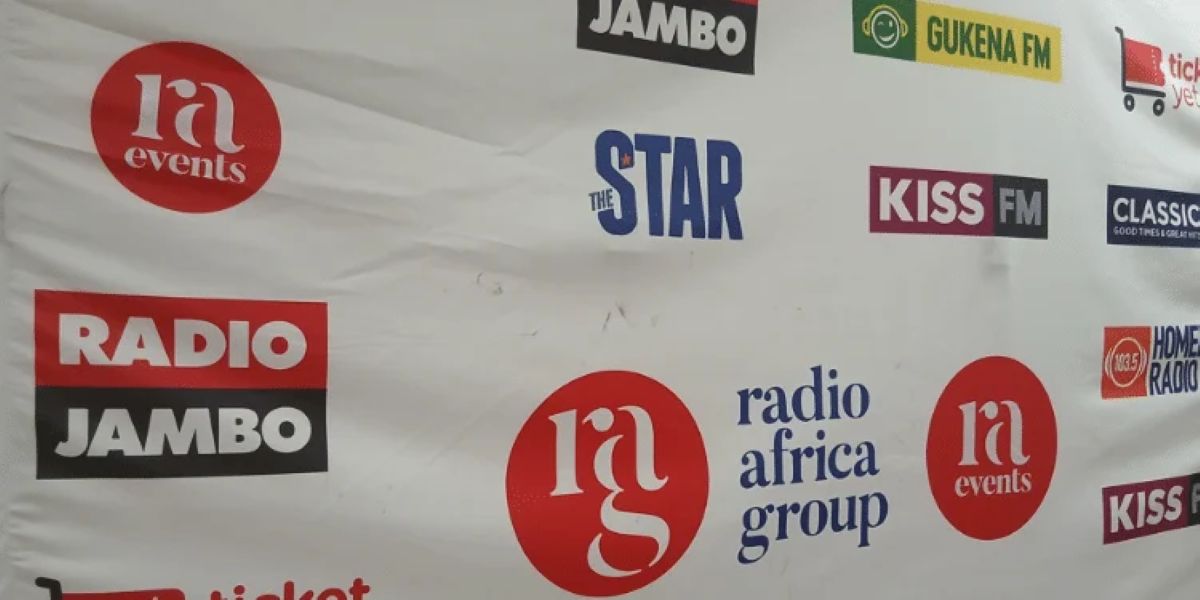
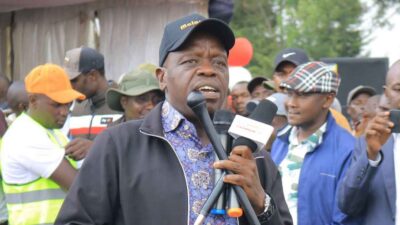
Ndindi Nyoro claims Ruto owns Radio Africa, and the Kiharu MP dropped the statement during a lively public meeting that quickly spread across the internet. He stood in front of a crowd in Murang’a and said the president now controls the media house behind some of Kenya’s biggest radio stations in addition to the recent takeover of Nation Media Group.
The remark had a significant impact because it addressed a sensitive topic that many Kenyans quietly discuss regarding who truly influences the news and airwaves in the country.
Radio Africa Group runs a long list of popular stations that reach millions every day. Kiss 100 keeps the youth tuned in with its lively music and talk shows. Classic 105 plays the old favourites that older listeners love. Radio Jambo mixes news and entertainment in a way that feels close to home.
East FM targets specific communities with content in local languages, while Homeboyz Radio at 103.5 brings energy and sports updates. Gukena FM and Smooth FM round out the lineup with their own distinct sounds and loyal audiences.
On the print side, the group publishes The Star newspaper, which many people pick up for its straightforward reporting on politics and daily life. Ndindi Nyoro listed all these outlets during his speech to make the point that one person or group holding so many voices could change how information flows to ordinary citizens.
The MP did not stop at just naming the stations. He tied the claim to the recently acquired Nation Media Group, which has its own set of newspapers, television channels, and radio outlets.
He suggested the pattern shows a bigger move toward concentrated control, and he called on Kenyans to stay alert. People in the audience reacted with a mix of nods and surprised murmurs because media ownership questions have arisen before but rarely with such direct names attached.
Ndindi Nyoro has built a name for speaking plainly on issues that others avoid, so his words carried extra weight for those who heard them live or saw the clips later online.
Many Kenyans who follow politics closely took to social media right away. Some agreed with the MP, saying it explains why certain stories get more airtime than others on the affected stations. Others pushed back, arguing that ownership alone does not prove interference and that every media house has its own editorial team making daily choices.
A few even joked that if the claim holds true, then the president might soon control the music people dance to and the news they wake up to. The conversation moved fast, with voice notes and short videos circulating in family groups and work chats.
Parents wondered what it means for their children who listen to these stations while driving or studying. Business owners said it could affect how they advertise and reach customers if the landscape shifts too much.
The timing of Ndindi Nyoro’s statement added fuel because Kenya sits in a period of active political discussion ahead of future elections. Radio and newspapers still reach more people in rural areas than social media alone, so any change in ownership draws extra eyes.
Nation Media Group has long been seen as one of the more independent voices in the country, and the recent sale has already sparked debate. Including Radio Africa in the MP view creates an even tighter influence, which concerns those who value diverse reporting. The government has not issued any direct response yet, which leaves room for more questions and more speculation in the coming days.
Ndindi Nyoro has faced his share of public attention in recent months, so his decision to speak on this topic surprised some but fit his style for others. He represents Kiharu and often uses public platforms to raise issues that he believes affect everyday voters.
In this case he framed the media ownership question as one that touches press freedom and public information. He reminded listeners that stations like Kiss 100 and Classic 105 shape conversations in homes and matatus across the country, so who owns them matters to everyone.
The crowd at the meeting clapped at points but also asked follow-up questions, showing they wanted more details on how the ownership links work and what it could mean for balanced coverage.
For regular listeners, the claim raises practical worries. A taxi driver in Nairobi said he switches between Radio Jambo and Classic 105 during long shifts, and he wonders if the stories he hears will stay the same if one hand guides more of the content.
A teacher in Bungoma listens to Gukena FM for local news, and she hopes the station keeps its independent feel regardless of who sits at the top. Young people who tune into Homeboyz Radio for music and talk say they enjoy the energy, but they also notice when certain topics get less attention than others. The stations themselves have not commented on the MP’s remarks yet, but their listeners already have plenty to say.
The bigger picture in Kenya has always included lively debate about media and power. Newspapers and radio stations have played key roles in elections and public accountability for decades.
When someone like Ndindi Nyoro points to possible concentrated ownership, it revives old questions about balance and independence. The recent Nation Media Group changes already had people talking, and this fresh claim about Radio Africa keeps the conversation alive.
Whether the MP view holds or gets challenged, the discussion itself shows how much Kenyans care about who tells them the news and plays their songs.
Ndindi Nyoro claims Ruto owns Radio Africa too, and the statement has opened another chapter in the ongoing talk about media control in the country.
The stations under Radio Africa reach deep into daily life for millions, and any shift in their direction touches everything from morning drives to evening family time. The MP has put the issue on the table, and now the public waits to see what comes next, whether more details emerge or the conversation simply fades until the next big claim.
For now, the names Kiss 100, Classic 105, and the rest remain familiar, but the questions around them feel a little louder than before. Kenyans from all walks of life continue to listen, watch, and talk because the airwaves still shape much of what they know and believe.
Related Posts
Ruto Demands Mandatory New Constitution for Vision 2060 Reforms
Kenyan President William Ruto told a national audience this week that the 2010 Constitution forces leaders to seek the people’s approval on major changes rather…
After Claims 2024 Gen Z Were From Illuminati, MP Kagombe Quits UDA
Gatundu South lawmaker Gabriel Kagombe walks away from the United Democratic Alliance this week as he eyes a fresh vehicle in Kenya’s mountain region. The…
Bumula MP Wamboka Criticizes Wetangula’s Uhuru Exit Call
Bumula MP Jack Wamboka yesterday rejected Speaker Moses Wetangula demands that former president Uhuru Kenyatta leave active politics. The lawmaker spoke in Bungoma County and…
New Emurua Dikirr MP David Keter Outrage After Demeaning Woman
Recently elected Emurua Dikirr MP David Keter sparked fierce public anger across Kenya when he publicly told a woman seeking assistance to sit down and…