
Speaker Wetangula Angered by Wantam’s Chants at Bungoma Funeral
 Adhis Okena — March 16, 2026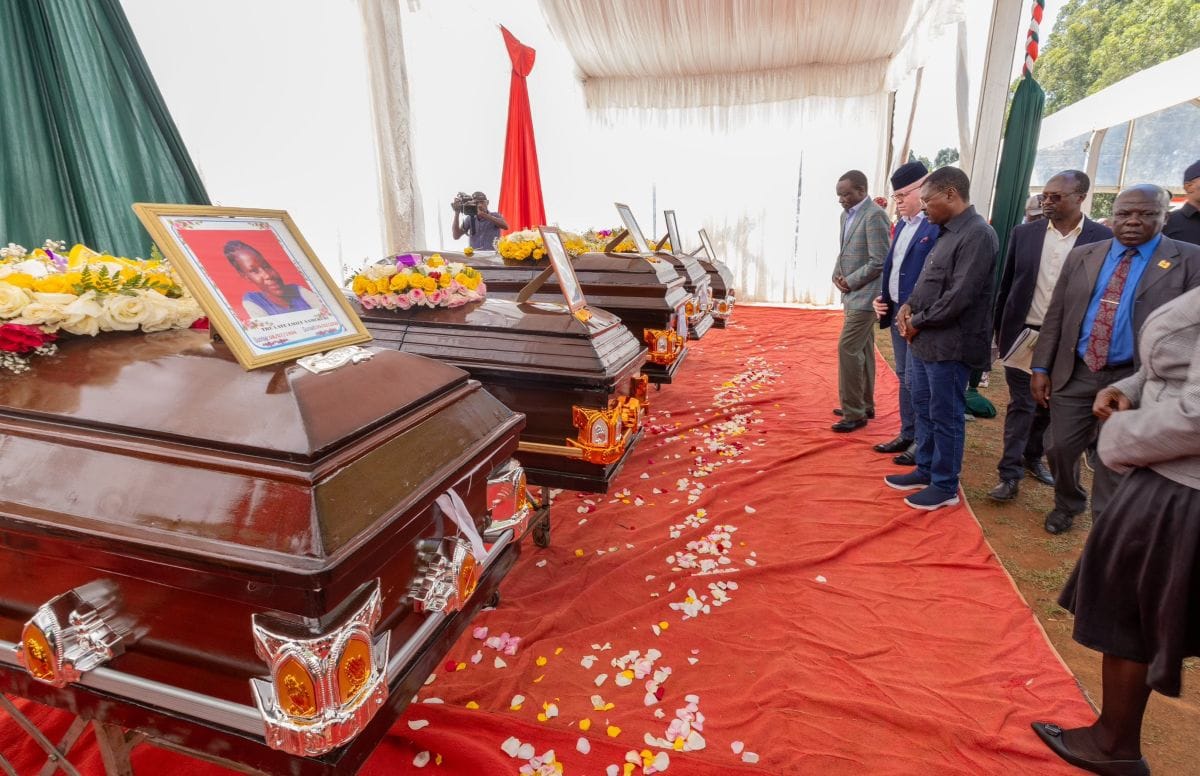
Speaker Wetangula was angered by Wantam chants at the Bungoma funeral, and the moment turned ugly fast when young men in the crowd started shouting the now-familiar slogan right in his face. The burial service for a family that lost six loved ones in a tragic road accident drew hundreds to the grounds near Bungoma town, yet what began as a day of mourning quickly shifted when the chants of Wantam’s and Sen Sifuna’s names rang out loud and clear.
Moses Wetangula, the National Assembly Speaker and a big name in the region, looked visibly upset as the young men kept going even after he tried to quiet them down. In one heated exchange, he pointed straight at a young man wearing a blue cap and shouted, ‘Wewe kijana mwenye kofia ya blue, nitatuma polisi wakushike sasa hivi’, which means, ‘You young man with the blue cap, I will send police to arrest you right now.’ Na nyinyi huko muache hiyo kelele. Nitaleta polisi sasa hivi.”
The threat came after the crowd refused to stop calling for one term and praising Senate Minority Leader Sen Sifuna. Wantam has spread like wildfire across Kenya in recent months, with many using it to say enough is enough after one term in power.
At this funeral the chant took on extra weight because Wetangula has long been seen as a strong political father figure in Western Kenya. People who know the area say the shouts showed something deeper: that the speaker may have lost some of the grip he once held on the local population. Mourners who came to bury their dead found themselves caught between grief and growing frustration with leaders whom they felt no longer listened.
The family at the centre of the burial lost six members when their matatu veered off the road last week. Relatives spoke through tears about the pain of saying goodbye to so many at once, yet the political noise in the background made the day even heavier.
Wetangula had come to offer condolences and speak as a senior leader, but the young men in the crowd had other ideas. They waved small placards and raised voices, calling Sifuna’s name alongside the Wantam slogan.
Video clips taken on phones show the speaker raising his hand, trying to calm things before he singled out the boy in the blue cap. The moment spread online almost instantly, with many Kenyans sharing the audio and asking what it means when even a funeral turns political.
Those who attended say the atmosphere felt tense from the start. Wetangula has built his career on strong ties in Bungoma and the wider region, yet recent events have tested those bonds.
Some locals point to economic hardships, high living costs and unfulfilled promises as reasons why young people now openly challenge leaders they once respected. The chant ‘Wantam’ started in other parts of the country, but it has found new life here, where many feel overlooked.
Sen Sifuna has gained popularity among the youth for speaking plainly on issues like jobs and fairness, so hearing his name mixed with the one-term call showed where some hearts lean these days.
Police have not confirmed any arrests from the funeral, but the threat from the speaker left many wondering if more trouble could follow. The young man in the blue cap stayed calm in the video and simply joined the others in chanting louder. His friends later said he did nothing wrong and was just expressing what a lot of people feel.
The whole episode has sparked fresh talk about how leaders handle public dissent, especially at events meant for mourning. Families who lose loved ones already carry enough pain without politics turning their goodbye into a shouting match.
Wetangula has not issued a full statement yet, but his office said he attended the funeral in his personal capacity to comfort the bereaved. Supporters of the speaker argue the chants were disrespectful and out of place at such a sad occasion.
Critics, on the other hand, say the reaction shows how far some leaders have drifted from the people they represent. Online, the conversation keeps growing, with posts praising the youth for speaking up and others warning that funerals should stay sacred. One comment summed it up well by saying even in death politics finds a way in.
The Kenya Medical Practitioners Union and other groups have stayed silent on this particular event, but the broader mood in Bungoma suggests growing restlessness. Young men who chanted that day come from different backgrounds: some students, some small traders and some just trying to get by.
They told reporters afterward that they respect elders but want leaders who deliver real change, not just words at burials. The family that lost six members asked for peace and privacy as they grieve, yet the viral clips have made their private pain part of a larger national conversation.
As the week goes on, people in Bungoma and beyond continue to replay the moment the speaker pointed at the boy in the blue cap. It has become a symbol for some of shifting power and, for others, a sign that respect is fading.
Wetangula remains a powerful figure, but the chants at the funeral suggest the ground may be moving beneath him. The young men who started the chorus say they will keep raising their voices at public gatherings until they feel heard. The speaker, for his part, will likely reflect on how to reconnect with a population that once stood firmly behind him.
Speaker Wetangula was angered by Wantam chants at the Bungoma funeral, and the incident has left many asking where the line sits between mourning and making a point. The family still buries its dead, the youth keep their slogans, and leaders keep watching how far the mood has shifted.
In a region known for strong political loyalty, moments like this one stand out because they show change happening in real time. Kenyans from all walks continue to talk about the blue cap, the threat and the chants because they capture something bigger than one funeral. The coming days and weeks will reveal whether this was a one-off spark or the start of louder voices demanding more from those who lead them.
Related Posts

Crowds Chase Kimilili MP Barasa After Cash Runs Out
Angry crowds chased Kimilili MP Didmus Barasa through the streets of Kimilili on July 30 after cash ran out at his public event in Bungoma…

Edwin Sifuna Climbs Fast in 2027 Kenya Election Poll – TIFA Polls
Nairobi Senator Edwin Sifuna climbs fast in the 2027 Kenya election poll as opposition dynamics shift sharply. Voters now give him 15 percent support for…

Ruto Clashes With Sifuna Over Rural Affordable Housing Chickens.
President William Ruto traded sharp words with Nairobi Senator Edwin Sifuna over rural housing chickens’ plans during a fresh clash that spotlights deep divisions in…

Kiraitu Murungi Boldly Predicts Ruto 2027 Presidency ‘Mpende Msipende’
Veteran politician Kiraitu Murungi stood firm as he addressed growing frustration among Meru voters toward President Ruto. He declared that despite widespread anger and vows…