
TikToker Maximilian Motara Arrested for Tearing Shilling Notes

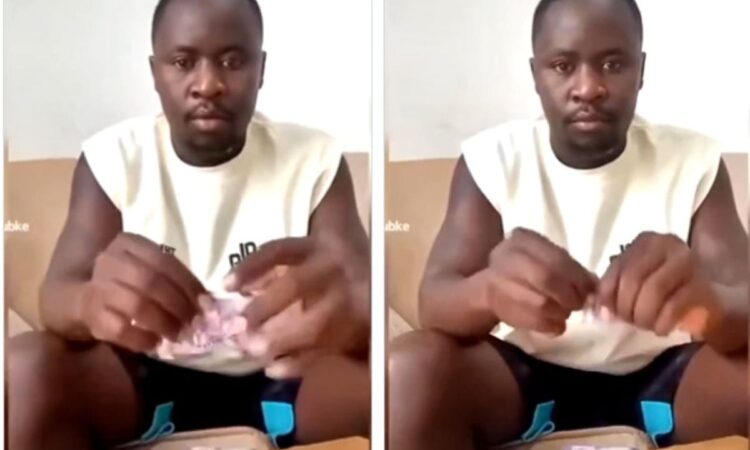
After posting a video of himself tearing up 100 Kenyan shilling notes, TikToker Maximilian Motara was arrested. The young content creator, known for his TikTok clips, found himself in handcuffs following days of public backlash over the stunt that many called disrespectful to the national currency.
The Banking Fraud Investigations Unit detectives picked him up quietly and confirmed the arrest on official channels. Motara had gone live or posted the clip just a few days earlier, casually tearing up the notes while talking to the camera.
In the footage that quickly spread, he held up the bills, smirked, and started ripping them apart piece by piece. No clear reason came across in the video – some viewers guessed it was for shock value or to chase likes and views. Whatever the plan, it backfired fast.
Kenyan law treats damaging or mutilating currency as a serious offence. The Central Bank of Kenya has long warned that defacing notes undermines the money system and shows a lack of respect for the country itself.
When notes become torn or heavily marked, they lose their ability to circulate properly, prompting police and financial crime units to take such cases seriously. Often, banks and stores refuse to accept damaged bills, leaving regular people with worthless paper. In Motara’s case, showing off the act on a public platform made it impossible to ignore.
The original video drew mixed reactions at first. A handful of followers laughed it off as harmless fun or edgy content. However, the majority of Kenyans who watched the video criticised it for being wasteful and arrogant, particularly during a period when many families are facing financial difficulties.
Comments flooded in urging authorities to act. “This is the money we sweat for,” one person wrote. Others pointed out that tearing up notes could land someone in court with heavy fines or even jail time. The backlash grew so loud that the clip reached investigators, and the arrest followed swiftly.
Officials say Motara is now in custody at a Nairobi police station. He faces processing and will appear in court soon. Exact charges center around the mutilation of legal tender, though more details may come out during the hearing.
Some online voices already speculate about possible prison time – one comment mentioned at least ten years, though that remains to be seen once the magistrate decides. For now, the focus stays on the fact that the same notes he destroyed represent people’s hard work, salaries, school fees, and daily survival.
Motara built a following by chasing attention with bold or funny videos. This time the attention came with consequences.
Young creators across Kenya are watching closely, with many posting warnings like “Think twice before you post.” Parents and older Kenyans used the moment to remind the younger generation about values – respect for money, for institutions, and for the country whose symbols appear on every note.
Public sentiment leans heavily against Motara. On X, Facebook, and TikTok, the majority of comments cheer the arrest and call for a strong example. “Let this event serve as a lesson,” one user said.
A few defended him, asserting that he had the right to use the notes as he pleased and that the reaction seemed exaggerated. But even those voices stay quiet compared to the flood of criticism.
Beyond the individual case, the incident revives old conversations about currency protection in Kenya. The Central Bank runs regular campaigns asking citizens to handle notes carefully – no folding, no writing, no tearing.
Shops and matatu conductors often refuse torn bills, pushing the problem back to ordinary people. When someone with a big online audience does it on purpose, it feels like a slap to everyone scraping by.
People are still wondering what made the video happen in the first place as Motara waits for his court date. Was it just to get attention? Was it a misguided attempt at humour? Or something else? People who like and don’t like him are both waiting for answers.
For now, the arrest conveys a clear message: going viral is a significant issue, and public destruction of money is a serious offence that Kenyan authorities will not tolerate.
Many people are shaking their heads about the whole thing. Seeing someone treat money so carelessly in a country where millions still rely on it for their daily lives is deeply upsetting.
Whether the case becomes a turning point for online creators or just another cautionary tale remains to be seen. Maximilian Motara’s next video, when it releases, will undoubtedly differ significantly from his previous one.
Related Posts

Lawyers Argue Self-Defence For Rashid Charo In Fatal Shooting
Senior lawyers fought hard in court Wednesday to shield police officer Rashid Charo from murder charges after he shot dead 29-year-old youth mobiliser Cecil Ouma.…

Who Is Shielding OCS Agnes Ndanu Accused Of Pushing Her Girlfriend?
Senior police officer Agnes Ndanu stands accused of pushing her girlfriend Nicole Omondi from the sixth floor of an apartment after they spent the night…

Esther Wairimu Keige Found Dead After Weeks Missing Near Juja
Family members announced the heartbreaking loss of advocate Esther Wairimu Keige, found dead after weeks missing near Juja. The 54-year-old legal services manager at the…

Keumbu Traders Beg Mercy After Goons Stone Sifuna Clients Boycott
Traders in Keumbu now beg for mercy after locals pelted Edwin Sifuna with stones during a recent visit. Business has plunged since that shameful act…