
Deceased Nderitu Gachagua Will Published After Family Estate Row

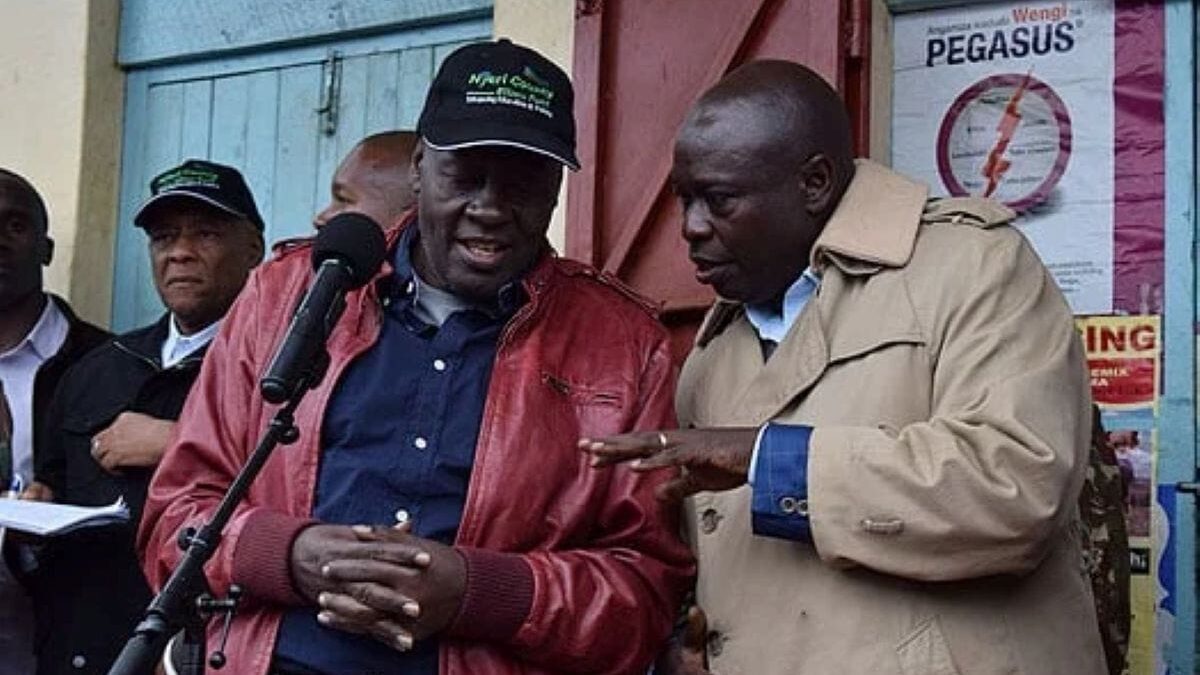
The late Nderitu Gachagua will has now been published in local newspapers after months of family arguments and questions about how his estate would be shared. The executors released the full details on Wednesday April 8 to answer growing doubts from some relatives who felt something was not right with the process.
The three men in charge are Mwai Mathenge, Njoroge Regeru and former deputy president Rigathi Gachagua, who also happens to be the late governor’s brother.
They decided it was time to speak openly because five out of the twenty-three people named in the document had raised loud concerns in the media. Their statement clearly indicates their desire to resolve the matter permanently, allowing everyone to see precisely what the late James Nderitu Gachagua documented before his death.
The will lists twenty-three beneficiaries in total. Nine of them come from his immediate family, including his mother, his two wives and their children. The rest include siblings, step-siblings and a few others close to him.
The executors laid out a simple formula for sharing what remains after debts get paid. Sixty-two per cent goes straight to the immediate family. Twenty-two per cent is split among the fourteen other beneficiaries. Eleven percent covers administrative costs and any money owed to outsiders. The final five percent goes to the three executors themselves for their work.
Specific houses received clear instructions. The first wife has lived in her home since it was built, and the executors have already signed every paper to transfer full ownership to her. The second wife, Margaret Waithiegeni, received two houses, one in Karen and one in Nyeri.
She had already moved into them before the governor died, and the titles now sit in her name exactly as he wanted. The ancestral home on four acres in Nyeri went to the two eldest sons, Kenneth Gachagua and Jason Kariuki. They share it equally and have lived there since 2022. Rigathi Gachagua received shares in Mweiga Homes as a portion from his brother.
Everything else in the estate follows a different path. The will says any property or asset not listed specifically must be sold. The money first pays off all debts and costs that existed when the governor died. Only after that do the remaining proceeds reach the beneficiaries. This step-by-step approach leaves little room for confusion, and the executors say they have followed it carefully.
Three big sales already happened and brought in strong prices. Olive Gardens Hotel went for four hundred and twelve million shillings, well above its reserve of three hundred and twenty-five million. Queensgate Estate fetched five hundred and ninety million against a reserve of four hundred and seventy million.
Vipingo Estate sold for two hundred and fifty million, far more than its one hundred and seventy million reserve. Together the three deals added one point two five billion shillings to the estate pot. The executors called each sale the best offer available at the time and insist they acted in the best interest of everyone involved.
This publication arrives just days after part of the family wrote directly to President William Ruto. They asked him to step in and look into what they described as fraud, forgery, and outside meddling in the estate.
The president took their letter seriously and promised a proper review so justice could be done. He even spoke publicly about the need to return certain properties to the widows and orphans, including a hotel in Nairobi and a house in Kilifi. His words added extra heat to an already tense situation inside the wider Gachagua family.
Many Kenyans who follow local politics have watched the story closely. Nyeri is a place where land and family ties are deeply ingrained, and any dispute over a prominent leader’s wealth elicits strong opinions.
Some see the published will as proof that everything stayed above board, while others still wonder why it took so long to reach the public. The fact that Rigathi Gachagua sits as one of the executors makes the conversation even more layered because of his own political past and his connection to the late governor.
For the beneficiaries the numbers now feel real. The two eldest sons already live on the ancestral land. The wives hold clear titles to their homes. The rest know their share will come once sales finish and bills clear.
The executors stress that the process protects the whole family and follows the late governor’s exact wishes. They hope the newspaper notice ends the public back and forth and lets everyone move forward.
Still, the letter to the president shows not every voice feels heard. Those five beneficiaries who raised red flags may continue pushing for more answers. The coming weeks could bring fresh statements or even court steps if doubts remain.
In the meantime, the will sits in black and white for anyone to read and judge for themselves. It paints a picture of a man who tried to plan carefully for the people he left behind even while knowing his estate would spark debate.
The release also reminds many Kenyans how complicated family wealth can become when public figures pass on. Properties, hotels and shares carry both money and memories, and splitting them fairly tests every relationship.
The Gachagua estate now stands as one more example of that truth playing out in real time. Whether the published document finally calms the waters or simply starts the next chapter, only time will tell.
Related Posts
Kindiki Challenges Kamba Loyalty ‘Kalonzo Anawapanga Kama Magunia’
Kithure Kindiki stood before crowds in Yatta and delivered a sharp message that urges Kamba voters to reject Kalonzo schemes while they back President Ruto…
Rigathi Gachagua Today Blasts Ruto On Police IG Fake Degree Claim
Rigathi Gachagua fired sharp accusations against President William Ruto and claimed he arranged a fake degree for Inspector General Douglas Kanja to keep the police…

Paul Mburu Muthumbi, Mbukinya Founder, Dies, Leaving Legacy
Paul Mburu Muthumbi built Mbukinya into one of the longest-running public service vehicle companies through sheer grit before he passed away recently. The Limuru entrepreneur…

LSK President Kanjama Defends Court Boycott by Lawyers Today
Lawyers boycotted courts today after LSK President Charles Kanjama accused judges of interference that blocks proper accountability. The action targets judicial officers who grab court…