
Ruto Cries in Wajir Tears Break Silence on Madaraka Day
 Ibrahim Mohamed — June 1, 2026
President William Ruto wiped away tears today as he addressed thousands gathered at Wajir Stadium for Kenya’s 63rd Madaraka Day celebrations.
The emotional moment hit hard in the middle of his speech about unity and past wrongs in northern Kenya. Leaders and locals watched closely as the president opened up about the weight of history on this June 1, 2026, occasion.
Ruto stood firm at the podium. His voice cracked at points. He spoke straight to the people of Wajir County and the wider northern region. Crowds in green and white filled the stands under the hot sun.
Some waved flags while others sat quietly listening. The president admitted something rare.
What made President Ruto cry during the Madaraka Day speech in Wajir?
He felt the pain of decades of exclusion that hit northern communities hard. Ruto told the crowd he had never shed tears at any previous Madaraka gathering. Yet this day turned out different.
“I have never cried at a Madaraka Day celebration, but today has been different,” he declared during his address. He paused often to gather himself. His eyes welled up as he reflected on the struggles faced by residents here since independence.
This marks the first time Kenya hosted the national Madaraka Day event in Wajir. Officials chose the arid northern county to spotlight long-ignored areas. Ruto used the platform to issue a formal apology for policies dating back to 1965 that sidelined these regions from development funds and basic services.
He spoke with passion about new commitments. The government plans to hire 100 teachers for every constituency in the north. Road tarmacking projects will connect key towns. Local Islamic schools gain integration into the national curriculum. Discriminatory identity checks at borders will end.
Wajir Governor Ahmed Abdullahi reacted strongly to the speech. He shook while reading parts of it earlier and later sat down with tears in his own eyes. Senators nearby confirmed the raw emotion.
Ruto pushed forward with pledges. “On behalf of the government and the Republic of Kenya, I extend my sincere apology to the people of Northern Kenya for the hardships and exclusion you have endured over the years,” he stated clearly. His words carried across the stadium through loudspeakers.
Attendees nodded along. Many had travelled from distant villages in Isiolo, Garissa, and Mandera counties. Heat rose from the tarmac as the morning wore on. Yet the energy stayed high.
Performers from local dance groups lit up the stage with traditional songs before the main address.
Critics wasted no time online. Some called the tears performative and pointed to recent protests where over 60 young people died in clashes with security forces.
Others questioned unaccounted devolved funds exceeding 192 billion shillings sent to northern counties in past years. Rigathi Gachagua, among others, raised issues like persistent water shortages despite past promises.
Still Ruto pressed on. He renamed the main stadium after a fallen local leader to honour contributions from the region. He highlighted resilience. Northern Kenyans kept faith with the country through tough times, including drought and conflict.
One local elder shared quiet approval after the event. He remembered years when officials rarely visited except during campaigns. ‘Today felt genuine,’ he said, even if tears sparked debate.
Ruto wiped his face again near the end. He smiled briefly as applause erupted. The crowd rose to their feet in parts of the stadium. Music played as he stepped down from the podium.
This emotional display comes amid broader national conversations about unity. Kenya marks 63 years since internal self-rule on June 1, 1963.
Related Posts
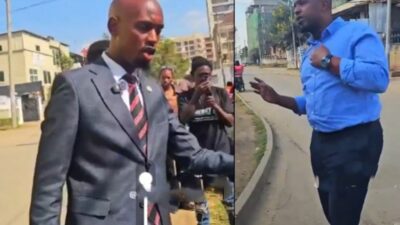
South Ward Aspirant Rashid Biliki Clashes With Officials Over Waste
Rashid Biliki confronted county officials during a tense inspection in Nairobi on Tuesday and soon found himself apprehended after reports surfaced about untreated waste spilling…
Kwale Senator Reveals Ruto Paid Son in Dubai Medical Fees
Kwale Senator Issa Juma Boy stepped forward and praised President William Ruto after the leader paid his son’s medical fees in Dubai three months ago…
Zaheer Jhanda Buys Three Luxury SUVs for Bad Kisii Roads
Nyaribari Chache MP Zaheer Jhanda snapped up three luxury SUVs to cruise through the muddy tracks of his Kisii constituency as he ramps up election…
Nimrod Mbai’s Three 2027 Poll Choices: Win, Die, or Go to Kamiti
Kitui East lawmaker Nimrod Mbai’s three choices—win, die, or go to Kamiti—sparked fierce debate across political circles yesterday as he laid bare his determination ahead…