
Zaheer Jhanda Buys Three Luxury SUVs for Bad Kisii Roads
 Adhis Okena — July 15, 2026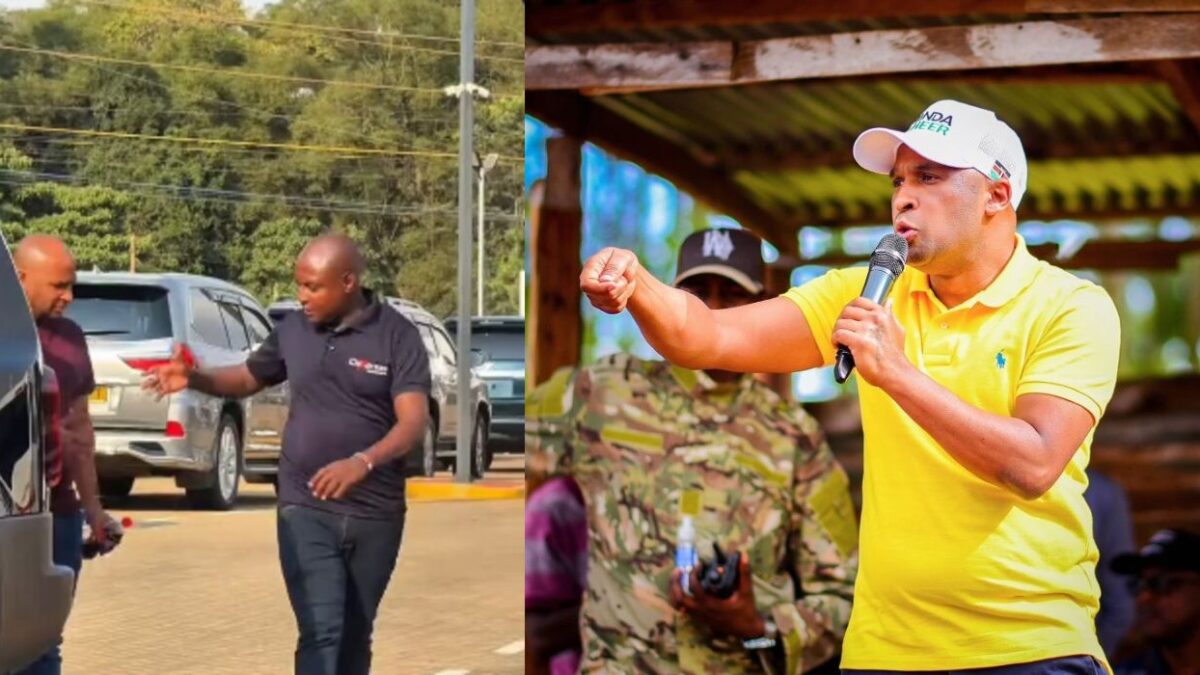
Nyaribari Chache MP Zaheer Jhanda snapped up three luxury SUVs to cruise through the muddy tracks of his Kisii constituency as he ramps up election outreach. The vehicles set him back between 12 and 18 million Kenyan shillings each while locals still battle impassable roads, especially during heavy rains. He aims to reach more voters ahead of 2027, but the flashy purchase sparked immediate outrage over misplaced priorities.
Zaheer rolled out the new Toyota Land Cruiser J250 models right in the heart of his constituency, where dirt paths turn into rivers of mud every rainy season. Residents there have demanded fixes for years. Jhanda instead focused on mobility for himself and his team. He hands out small cash bursaries and one thousand shilling notes along those same unfinished routes. The contrast hits hard.
Critics wasted no time calling out the move. They pointed to the money involved and what it could achieve if spent differently. One local leader said the funds might have bought several road graders to smooth out the worst sections. Such comments spread fast across Kisii County and fuelled heated debates online and in community meetings.
Why did Zaheer Jhanda choose these expensive vehicles now?
He bought the three luxury SUVs specifically to navigate the notoriously bad roads during his outreach efforts in Nyaribari Chache. The MP defended his decision by stressing the need for reliable transport in tough terrain. He wants to visit remote villages without getting stuck for hours. Yet many wonder why basic infrastructure lags so far behind personal comfort.
Kisii roads have frustrated drivers and farmers alike for decades. Heavy rains that typically hit between March and May make many routes completely impassable. Traders lose business when lorries cannot deliver goods. Schoolchildren miss classes.
Ambulances struggle to reach patients in time. These problems persist even as politicians pour resources into campaigns. Jhanda joined parliament after a competitive race and now eyes stronger support for the next general election scheduled for 2027. His team distributed aid along the very paths that swallow cars in mud. People accept the small notes but voice louder complaints about the bigger picture.
The vehicles arrived in a public unveiling that drew mixed reactions. Some supporters cheered the display of success. Others shook their heads. A farmer from a nearby village spoke plainly.
He said his family waits months for simple repairs while leaders drive machines worth more than many homes combined. Such voices echo across the county where average incomes remain low and development projects move slowly.
What do locals really think about the luxury SUV purchase?
Residents in Nyaribari Chache feel frustrated because the money spent on three high-end vehicles could have improved roads that affect their daily lives. Backlash grew quickly after photos circulated on social media.
Comments highlighted the gap between politicians’ priorities and public needs. One activist group in Kisii called for greater accountability before the 2027 polls. They listed other pressing issues like water access and health facilities that also demand urgent funding.
Political analysts note this case fits a wider pattern in Kenya where leaders invest heavily in personal fleets. Data from past election cycles shows similar spending spikes.
In 2022 several MPs upgraded cars while road maintenance budgets in rural areas stayed flat. Kisii County receives national allocations for infrastructure, yet progress remains patchy. Potholes scar even some tarmac sections. Gravel roads wash away with every downpour. Jhanda faces pressure to show results beyond campaign logistics.
He continues his tours despite the criticism. The new SUVs allow him to reach areas previously cut off during wet months. Supporters argue practicality trumps optics in such rugged territory. They remind people that Toyota Land Cruisers earned a reputation for durability across Africa.
Still, the price tag raises eyebrows. Each vehicle costs enough to build or repair several kilometres of road, according to local engineers. That math angers those who walk long distances or push bicycles through sludge.
Conversations in market centres turn lively whenever the topic arises. Elders recall promises made during previous campaigns. Youth demand jobs and better services instead of visible symbols of wealth.
The story gained traction because it touches raw nerves about governance and resource use. National media picked up details and amplified the debate. Some commentators urged Jhanda to balance his mobility upgrades with visible roadworks to regain trust.
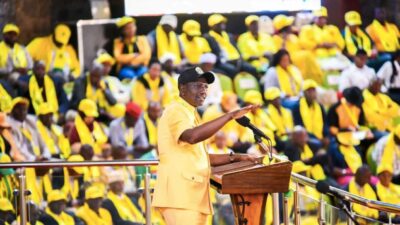
The MP has not shied away from public appearances. He addressed crowds and reiterated commitment to the constituency. People listen but expect tangible change.
With 2027 approaching, candidates across Kenya face similar scrutiny. Voters remember flashy purchases when election time comes. Jhanda now walks a tight line between necessary tools for service and perceptions of excess.
Related Posts
Kwale Senator Reveals Ruto Paid Son in Dubai Medical Fees
Kwale Senator Issa Juma Boy stepped forward and praised President William Ruto after the leader paid his son’s medical fees in Dubai three months ago…
Zaheer Jhanda Buys Three Luxury SUVs for Bad Kisii Roads
Nyaribari Chache MP Zaheer Jhanda snapped up three luxury SUVs to cruise through the muddy tracks of his Kisii constituency as he ramps up election…
Nimrod Mbai’s Three 2027 Poll Choices: Win, Die, or Go to Kamiti
Kitui East lawmaker Nimrod Mbai’s three choices—win, die, or go to Kamiti—sparked fierce debate across political circles yesterday as he laid bare his determination ahead…
Ruto Tops Infotrak Poll for 2027 Election At 32%, Opposition 12%
President Ruto leads the pack in the latest Infotrak poll for the 2027 Kenya election as voters across Nairobi and rural counties signal strong backing…