
Wajir Governor Ahmed Abdullahi Challenges Gachagua on Devolution
 Ibrahim Mohamed — January 11, 2026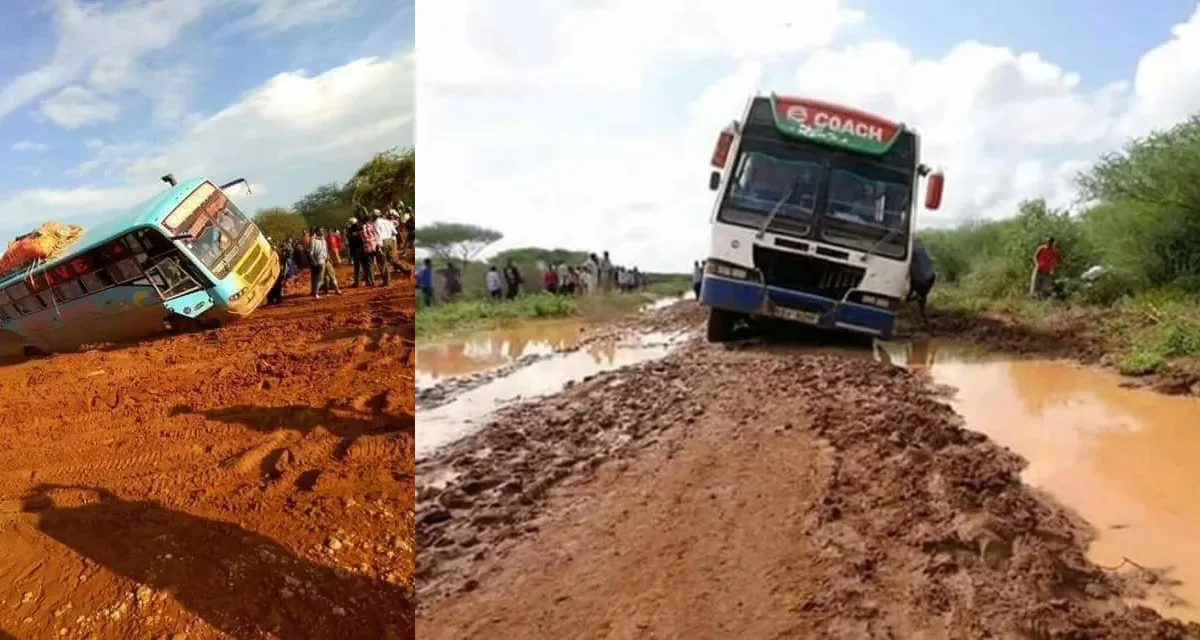
Wajir Governor Ahmed Abdullahi has challenged former Deputy President Rigathi Gachagua to a direct comparison of devolution achievements. The governor made the offer in a post on social media on January 10, 2026. It follows Gachagua’s recent criticism of leaders from Northern Kenya over school infrastructure and funds.
Abdullahi wrote that he volunteers to take up the challenge. He wants to compare what equitable share funds have done in Wajir during his eight years in office against any county Gachagua picks.
The governor said any government or non-government agency could handle the review. They would adjust for differences in allocation amounts. He added that whether devolution has fully equalised Kenya in 13 years is a separate debate.
The exchange ties into ongoing talks about Form One placements for 2026. The government uses a quota system to give students from marginalised areas spots in top national schools. Many of those schools sit in regions like Mount Kenya.
Gachagua spoke out on January 9 in Nyeri. He questioned why the system still favours some areas after years of devolution funds. He said leaders in Northern Kenya have received large amounts but show little progress in schools or other facilities.
Gachagua argued that counties should have built their own strong institutions by now. He called for placements based more on merit and local priority. President William Ruto pushed back earlier, warning against tribal angles in the discussion.
Some leaders from the Northeastern region defended the quota. They point to historical underinvestment, insecurity, and other challenges that still affect education there.
In his response, Abdullahi noted personal examples. He said the tarmac road to Gachagua’s village and electricity to his home in Wamunyoro do not come from devolution.
Those fall under national government projects. The governor also stated that Gachagua never visited Wajir during his time as deputy president. He asked Gachagua to name any date or place; if that is wrong,
Devolution started in 2013 under the new constitution. It sends funds directly to counties for services like health, roads, and water. Arid and semi-arid lands, including Wajir, get extra through the equalisation fund for basic needs. Supporters say it has brought changes, like more health centres and better roads in remote areas.
Critics, including Gachagua, claim mismanagement in some places. City lawyer Ahmednasir Abdullahi weighed in online. He backed questions about how funds have been used in the North since 2013.
The debate has spread on social media and in news outlets. Some see it as needed accountability. Others view it as divisive ahead of future elections.
Abdullahi chairs the Council of Governors. He has led Wajir since 2017, winning re-election. Projects there include new hospitals, water systems, and road upgrades. Challenges remain with drought and security issues.
Gachagua has stayed active since his impeachment in 2024. He leads the Democratic Citizens Party and often comments on national matters. No direct reply from him to the challenge has appeared yet.
This back-and-forth highlights ongoing tensions over resource sharing in Kenya. Counties in drier regions argue for continued support. Others push for even progress across the board. The school placement row brought these issues to the front again. Parents and students wait to see if policies change.
For now, the governor’s offer stands open. It could lead to a formal comparison if accepted. Many Kenyans follow to see what happens next.
Related Posts

South Ward Aspirant Rashid Biliki Clashes With Officials Over Waste
Rashid Biliki confronted county officials during a tense inspection in Nairobi on Tuesday and soon found himself apprehended after reports surfaced about untreated waste spilling…
Kwale Senator Reveals Ruto Paid Son in Dubai Medical Fees
Kwale Senator Issa Juma Boy stepped forward and praised President William Ruto after the leader paid his son’s medical fees in Dubai three months ago…
Zaheer Jhanda Buys Three Luxury SUVs for Bad Kisii Roads
Nyaribari Chache MP Zaheer Jhanda snapped up three luxury SUVs to cruise through the muddy tracks of his Kisii constituency as he ramps up election…
Nimrod Mbai’s Three 2027 Poll Choices: Win, Die, or Go to Kamiti
Kitui East lawmaker Nimrod Mbai’s three choices—win, die, or go to Kamiti—sparked fierce debate across political circles yesterday as he laid bare his determination ahead…